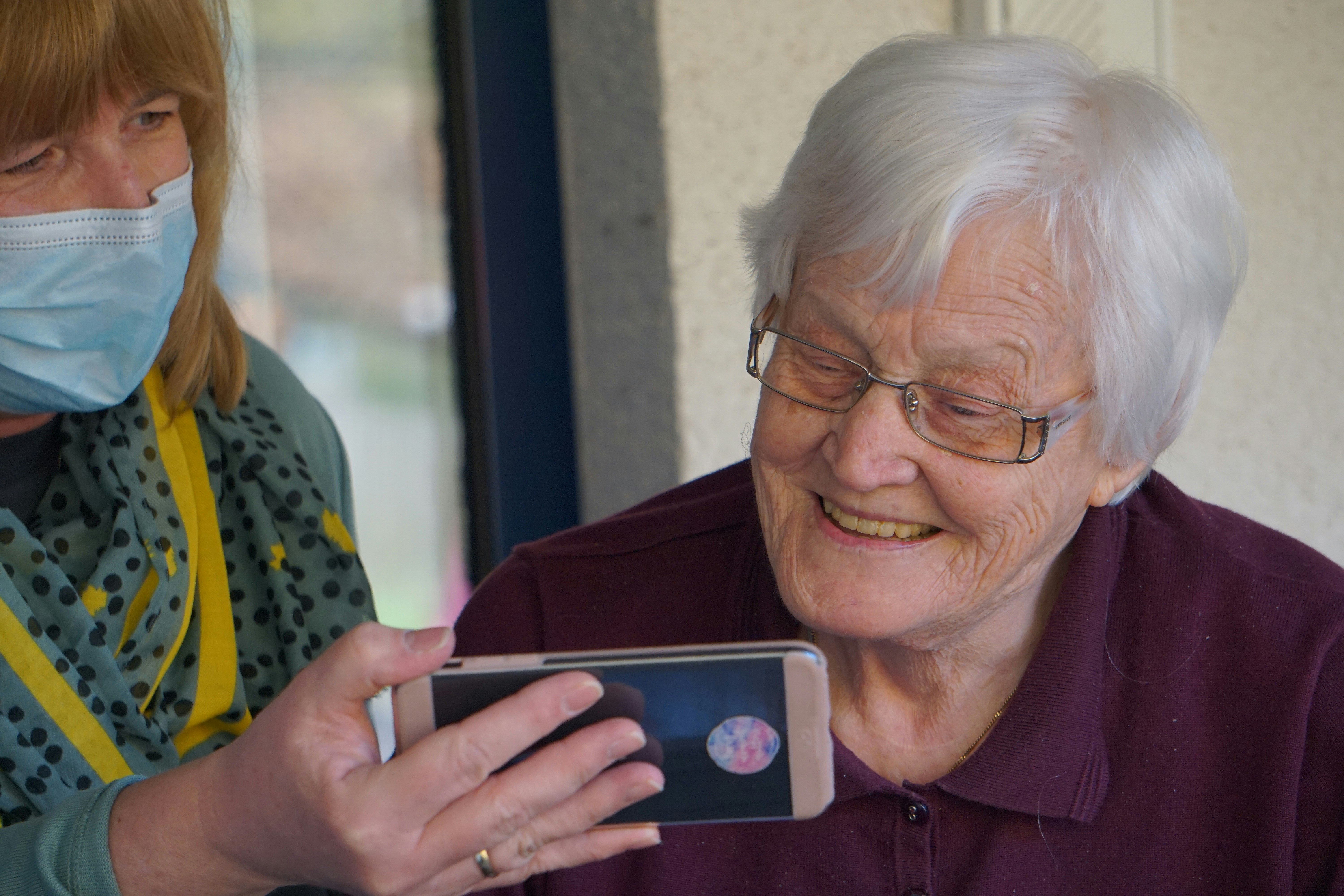
Medicaid home care in Westchester County pays for an aide, a nurse, or both to come to the house so an older or disabled adult can stay out of a nursing home. Coverage comes from New York State Medicaid, financial eligibility runs through the Westchester County Department of Social Services, and a separate clinical assessment is handled by a state contractor. Most families find the paperwork slower than the care itself.
Here is what Medicaid pays for, who qualifies under the 2026 limits, which programs operate in Westchester, and the order to do things in so you are not waiting an extra month for hours to start.
What Medicaid Home Care Covers
Medicaid funds both hands-on personal support and clinical care at home, based on the number of weekly hours the state authorizes after an assessment. In Westchester, home care services are ordered by a physician and supervised by a registered nurse, then delivered by licensed agencies under contract with the county.
Covered support usually includes:
- Personal care such as bathing, dressing, toileting, grooming, and help with transfers
- Homemaking tasks like meal preparation, light housekeeping, laundry, and grocery shopping
- Home health aide services, including medication reminders and simple health-related tasks
- Skilled nursing visits for wound care, injections, catheter care, and feeding tube management
- Physical, occupational, and speech therapy delivered in the home
- Durable medical equipment, supplies, and home modifications through certain waiver programs
Medicare is a separate matter. It pays for short-term skilled care after a hospital stay. Long-term custodial help at home falls to Medicaid, which is why so many Westchester families end up applying for Community Medicaid after a discharge.
Who Qualifies for Medicaid Home Care in Westchester County
Two separate tests apply. One looks at income and assets. The other looks at how much daily help the person actually needs. An applicant has to clear both.
The Financial Test
New York adopted its 2026 figures in February, retroactive to January 1. These are the numbers Westchester DSS works from when it reviews a Community Medicaid application.
Income above the limit does not end the application. Many New Yorkers deposit the surplus into a pooled income trust administered by a nonprofit, which pays their rent, utilities, and household bills while the deposited amount is disregarded for budgeting purposes. Spousal refusal is another option used often in Westchester, and an elder law attorney is worth consulting before signing anything.
One more point on timing. New York currently applies no look-back period to Community Medicaid applications, though a 30-month look-back has been authorized and could take effect. Nursing home Medicaid already uses a 60-month look-back.
The Clinical Test
Functional eligibility is decided by the New York Independent Assessor, which replaced the older model where health plans assessed their own prospective members. The process has two appointments. A registered nurse completes a Community Health Assessment, either at home or over video. A clinician from the Independent Practitioner Panel then completes a medical exam, and your own doctor is not part of that step.
Since September 1, 2025, enrollment in a managed long-term care plan also requires help with more than two activities of daily living, or a diagnosis of Alzheimer's disease or another dementia.
Four Ways Care Is Delivered in Westchester
Once someone is approved, the care itself arrives through one of several structures. They differ in who employs the caregiver, how many hours are realistic, and how quickly services start.
Managed Long Term Care
Most Westchester adults over 21 who have both Medicare and Medicaid and need more than 120 days of care are enrolled in an MLTC plan. The plan builds the care plan, sets the authorized hours, and contracts with the agency that sends the aide. Choosing the plan is your decision, and plans differ in how generous their hour authorizations tend to be.

Consumer Directed Personal Assistance Program
CDPAP lets the person receiving care hire and supervise their own aide, including an adult child, a sibling, or a neighbor. Spouses cannot be paid, and parents cannot be paid for a consumer under 21. Since April 1, 2025, payroll for every CDPAP worker in the state runs through a single fiscal intermediary, Public Partnerships LLC. Westchester sits in the higher downstate wage region, so pay rates run above the rest-of-state figure.
NHTD and TBI Waiver Programs
The Nursing Home Transition and Diversion waiver and the Traumatic Brain Injury waiver serve people who would otherwise qualify for a nursing home. Both add a service coordinator who manages the whole plan, and both allow higher hour authorizations along with home modifications and assistive technology. Waiver participants cannot be enrolled in MLTC at the same time.
Immediate Need Applications
When someone is coming home from the hospital with no safe support in place, a representative can file an immediate need application directly with the county. The county is then required to refer the case to NYIA on a shortened timeframe, and after 120 days of services the person selects an MLTC plan.
Applying, Step by Step

- Confirm or apply for Medicaid. Depending on age and circumstances, you apply through the Westchester County Department of Social Services or the NY State of Health marketplace. Eligibility for home care programs is determined by the Office of Medical Home Care Services in Mount Vernon.
- Gather documents early. Photo ID, proof of Westchester residence, Social Security and Medicare cards, five years of tax returns where applicable, bank statements, deeds, life insurance policies, and current medical records.
- Contact NYIA. Have the Medicaid number ready and ask for a long-term care assessment. Both appointments should be finished before the 20th of the month for services to begin the following month.
- Describe the hard days honestly. Assessors record what they are told. Downplaying difficulty is the most common reason approved hours come back lower than a household needs.
- Choose a plan and an agency. After the determination letter arrives, you select an MLTC plan, and the plan authorizes hours with the agency you pick.
Two county resources are worth a phone call while you wait. The Department of Social Services handles home care eligibility questions, and the Department of Senior Programs and Services runs a free Family Caregiver Support Program offering consultations, options guidance, and respite information for families in Yonkers, White Plains, New Rochelle, Mount Vernon, and the northern towns.
Where Applications Usually Stall
- Missing financial documentation, especially older bank statements and life insurance values
- Excess income handled too late, when a pooled income trust could have been opened months earlier
- An assessment scheduled after the 20th of the month, pushing the start date into the following cycle
- Enrolling in an MLTC plan too early during an immediate need case, which can cost transition rights
- Hours that fall short of what the household needs, which can be appealed through a fair hearing
How We Can Help Westchester Families
We are HumanCare NY, a licensed home care agency serving Westchester County alongside Rockland, Putnam, Dutchess, Orange, and the five boroughs. Families reach us at different points, some before applying and some after an MLTC plan has already approved hours. We provide personal care, home health aide services, homemaking and companion support, skilled nursing, private duty nursing, pediatric home care, and the NHTD and TBI waiver programs.
Our coordinators help you assemble documents for the county application, prepare for the NYIA appointments, and match a caregiver whose schedule, language, and temperament fit your household. If you would rather have someone your loved one already knows and trusts, we can walk you through how CDPAP compares.
Call us at (718) 435-1100 or reach out through our contact page to talk through your situation.