A home care assessment in New York is the single most important conversation your family will have before services begin. It shapes the type of care recommended, the number of hours approved, and the match between your loved one and their caregiver. Most families walk in expecting a checklist. What they actually encounter is a clinical and personal evaluation that depends on how much you share. At HumanCare, the assessment process is designed to capture the full picture of your loved one's needs so that the resulting care plan actually fits.
This guide covers what to prepare, what families tend to leave out, and what to ask before moving forward.

What an Assessment Is Really Trying to Determine
The assessment is not a formality. It is a structured evaluation that determines the level of care your loved one needs, the type of services that match those needs, and the frequency of support required each week. The person conducting it is building a clinical and functional profile that will drive every recommendation that follows.
Details to Prepare Before the Call or Visit
Coming prepared makes a direct difference in the accuracy of the care recommendation. The more specific your information, the more precise the plan. Here is what to gather before your home care assessment in New York.
Hardest Daily Tasks
Think about the activities your loved one struggles with most, and be specific about what "struggle" looks like in practice.
- Getting dressed independently, especially with buttons, socks, or shoes
- Preparing meals beyond reheating leftovers
- Managing laundry, grocery shopping, or cleaning
- Remembering to eat or drink enough water throughout the day
- Difficulty standing long enough to complete a full shower
The goal is not to list everything they cannot do. Focus on the tasks that create the greatest risk or frustration when attempted alone.
Recent Safety Issues or Near-Misses
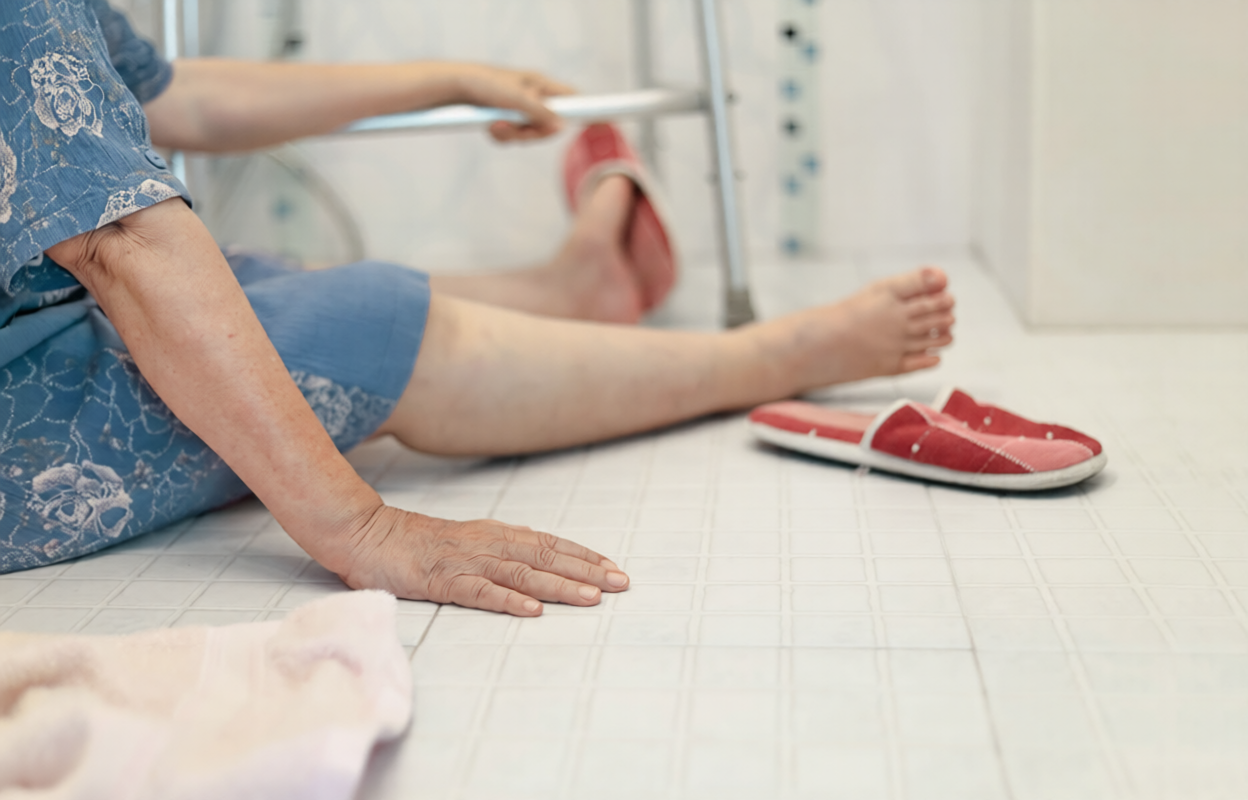
Falls, confusion episodes, leaving the stove on, or wandering outside at night all signal a different level of care than a general aging-related slowdown.
- Any falls in the past 6 months, including near-falls or balance scares
- Getting lost in familiar places
- Missed medications or accidental double doses
- Emergency room visits or 911 calls related to safety incidents
Mention these even if they only happened once. A pattern is not required for them to affect the assessment outcome.

Hospital Discharge, Diagnoses, Medication Complexity
If your loved one was recently hospitalized or has multiple diagnoses, bring documentation.
- Discharge summaries from recent hospital stays or rehab
- A current medication list, including dosages and the prescribing doctor
- Active diagnoses such as diabetes, congestive heart failure (CHF), chronic obstructive pulmonary disease (COPD), dementia, or Parkinson's
- Any upcoming surgeries or changes in treatment
Medication complexity alone can shift a recommendation from companion care to skilled nursing, so do not understate it.
Who Is Helping Now and Where the Schedule Breaks Down
Assessors need to understand the current support structure and where it falls short.
- Family members or friends who are currently providing care and how often
- Times of day or days of the week when no one is available
- Tasks that current helpers are unable or unwilling to perform
- Whether the current arrangement is sustainable or already breaking down
Be honest about gaps. Overstating the current level of family support often results in an underpowered care plan.
Routines, Language, Communication, Family Priorities
Care that ignores personal habits, cultural practices, or language needs will face resistance from the start.
- Preferred daily routines for meals, rest, bathing, and activities
- Primary language spoken at home, especially if English is limited
- Religious practices, dietary restrictions, or cultural preferences
- Communication challenges related to hearing loss, aphasia, or cognitive decline
- Family priorities, such as keeping your loved one at home as long as possible
These details shape the caregiver match as much as the medical profile does.
>>> Read more: https://www.humancareny.com/getting-started
What Families Commonly Forget to Mention
Even well-prepared families tend to overlook certain areas during the assessment. These gaps can lead to a care plan that misses significant needs.

Overnight Concerns
Families often focus on daytime needs and forget to describe what happens after dark.
- Waking frequently and attempting to walk without assistance
- Sundowning behaviors such as agitation, confusion, or attempts to leave the home
- Incontinence during the night requires help with cleanup and changing
- Anxiety or distress that increases in the evening hours
If overnight needs exist, they must be discussed during the assessment. Leaving them out may result in a plan that only covers daytime hours.
Bathroom and Transfer Difficulties
This is one of the most underdisclosed areas because families find it uncomfortable to discuss in detail.
- Needing help getting on or off the toilet
- Difficulty stepping into or out of a bathtub or shower
- Requiring physical support to move from a bed to a wheelchair
- Accidents related to not reaching the bathroom in time
These needs directly influence whether personal care aides, transfer-trained caregivers, or nursing staff are recommended.
Emotional Strain, Refusal of Help, Burnout
The emotional side of caregiving affects the care plan just as much as the physical side.
- Your loved one is resisting help from outside caregivers
- Family caregivers experiencing exhaustion, anxiety, or health problems of their own
- Tension between family members about care decisions
- Feelings of guilt about asking for professional support
Mentioning these concerns helps the assessment team plan for a caregiver who is experienced in building trust with resistant clients and supporting overwhelmed families.
How the Assessment May Point to Different Service Paths
The details you share will determine which type of home care service the assessor recommends. Understanding the categories ahead of time helps you evaluate whether the recommendation fits.
>>> Read more: https://www.nia.nih.gov/health/caregiving/services-older-adults-living-home

Companion and Homemaking Care
This level of service covers non-medical support for individuals who are mostly independent but need help with household tasks and social engagement. It typically includes light housekeeping, meal preparation, errands, and companionship.

Personal Care
Personal care involves hands-on assistance with activities of daily living. This includes bathing, dressing, grooming, toileting, and mobility support. A personal care aide is trained to assist safely with physical tasks that your loved one can no longer manage alone.

Skilled Nursing and Private Duty Nursing
When medical tasks are part of the daily routine, the assessment may recommend skilled nursing. This includes wound care, medication administration, catheter management, and monitoring of chronic conditions that require clinical oversight.
Consumer Directed Personal Assistance Program (CDPAP) or Waiver-Related Conversations When Relevant
If a family member or trusted person wants to serve as the paid caregiver, the assessor may discuss Consumer Directed Personal Assistance Program (CDPAP) eligibility. This Medicaid-funded program allows the care recipient to choose their own caregiver, including relatives. Waiver programs may also come up if your loved one qualifies for additional community-based services that support staying at home rather than moving to a facility.
>>> Read more: https://health.ny.gov/health_care/medicaid/program/longterm/cdpap/
Questions to Ask Before Agreeing on Next Steps
Before signing off on a care plan, make sure you have clarity on the following:
- What specific level of care is being recommended and why?
- How many hours per week are included, and can the schedule be adjusted later?
- What happens if the caregiver is not a good match?
- How quickly can services start after the assessment is completed?
- Are there Medicaid or insurance options that could cover part or all of the cost?
- Who do you contact if your loved one's condition changes after services begin?
- What credentials and training does the assigned caregiver hold?
Asking these questions before agreeing to a plan ensures that you are making a decision based on full information rather than assumptions.
Schedule the Next Step Without Delaying Support
Every week without the right support increases the risk of a fall, a hospitalization, or caregiver burnout that could have been prevented. If you have been thinking about home care services for someone you love, the assessment is where clarity begins.
HumanCare offers a free assessment for families across New York. You can schedule a free assessment by phone or online, and a care coordinator will walk through your situation with the attention it deserves. Contact HumanCare to take the first step toward a care plan built around your family's actual needs.