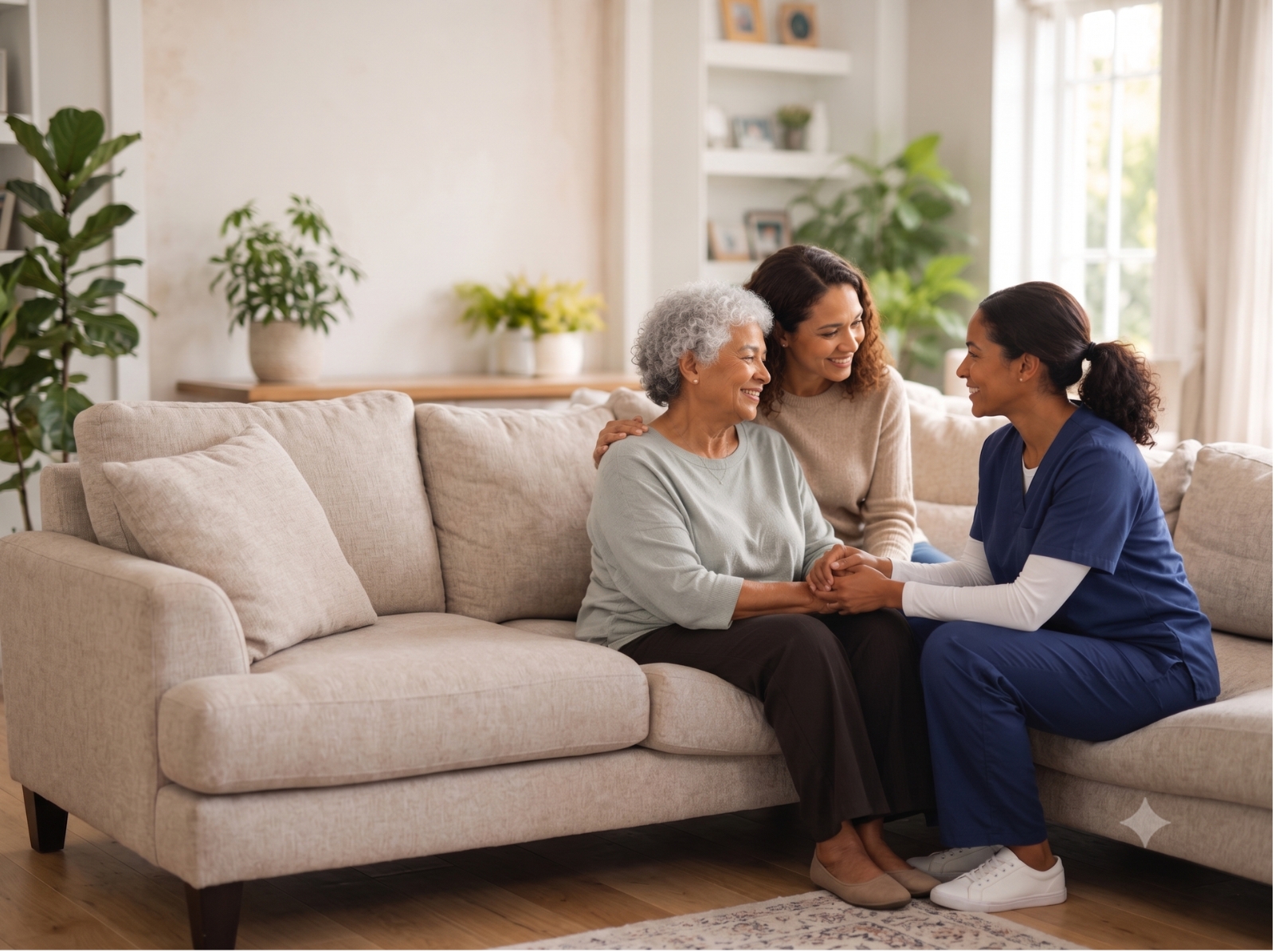
Finding the right daily living support for an aging relative or a person with disabilities presents a difficult choice. Historically, institutional facilities were the primary option. Fortunately, patients now have access to multiple alternatives to nursing home care. These programs allow individuals to receive medical attention and personal assistance in the comfort of their own residences. HumanCare NY helps loved ones explore these options to maintain a high quality of life.
The Nursing Home Transition and Diversion (NHTD) Waiver
The New York State Department of Health created the Nursing Home Transition and Diversion (NHTD) waiver to help seniors and individuals with disabilities live in the least restrictive environment possible. As one of the primary alternatives to nursing homes in New York, this program redirects Medicaid facility funding to pay for home-based services.
The program actively transitions residents out of facilities and diverts others before admission. Participants work directly with a Service Coordinator to create a personalized plan outlining the exact support needed to safely remain at home.
Eligibility Criteria for Waiver Participation
Applying for the NHTD waiver requires a thorough evaluation process. The applicant must pass both financial and medical evaluations to gain approval.
- Age and Disability Status:
An applicant must be either 65 years of age or older, or between the ages of 18 and 64 with a formally diagnosed physical disability.
- Medicaid Status:
The individual must be eligible for New York State Medicaid coverage that includes community-based long-term support.
- Care Assessment:
A specialized nurse must complete the Uniform Assessment System evaluation. This evaluation must prove that the individual requires the level of care typically provided in a residential nursing facility.
- Living Arrangement:
The participant must have a residence that meets safety standards. The home must comfortably accommodate the required medical equipment and visiting caregivers.
- Personal Choice:
The applicant or their legal guardian must sign a declaration choosing community-based care over facility admission.

Services Designed to Prevent Institutionalization
The waiver offers diverse support beyond basic medical care to keep participants safe at home:
- Service Coordination:
A central contact manages all providers and appointments.
- Independent Living Skills Training:
Specialists teach participants how to safely perform daily routines and manage medical conditions.
- Environmental Modifications:
The program covers structural home adaptations like roll-in showers and exterior ramps.
- Assistive Technology:
Devices like voice-activated emergency systems increase daily independence.
- Community Integration Counseling:
Professionals help individuals overcome emotional barriers related to physical limitations.
>>> Read more: https://www.humancareny.com/blog/understanding-the-nhtd-waiver-process-a-step-by-step-guide
CDPAP: A Personalized Approach to Long-Term Assistance
The Consumer Directed Personal Assistance Program (CDPAP) shifts caregiver scheduling and selection from traditional agencies directly to the patient or their representative. As a popular alternative to nursing homes in New York, CDPAP allows individuals to manage their own healthcare by recruiting, hiring, and training their personal assistants. A fiscal intermediary handles all payroll and tax documentation. This specific structure removes the administrative stress while preserving the patient's full authority over who provides their daily home support.
Empowering Family Members as Paid Caregivers
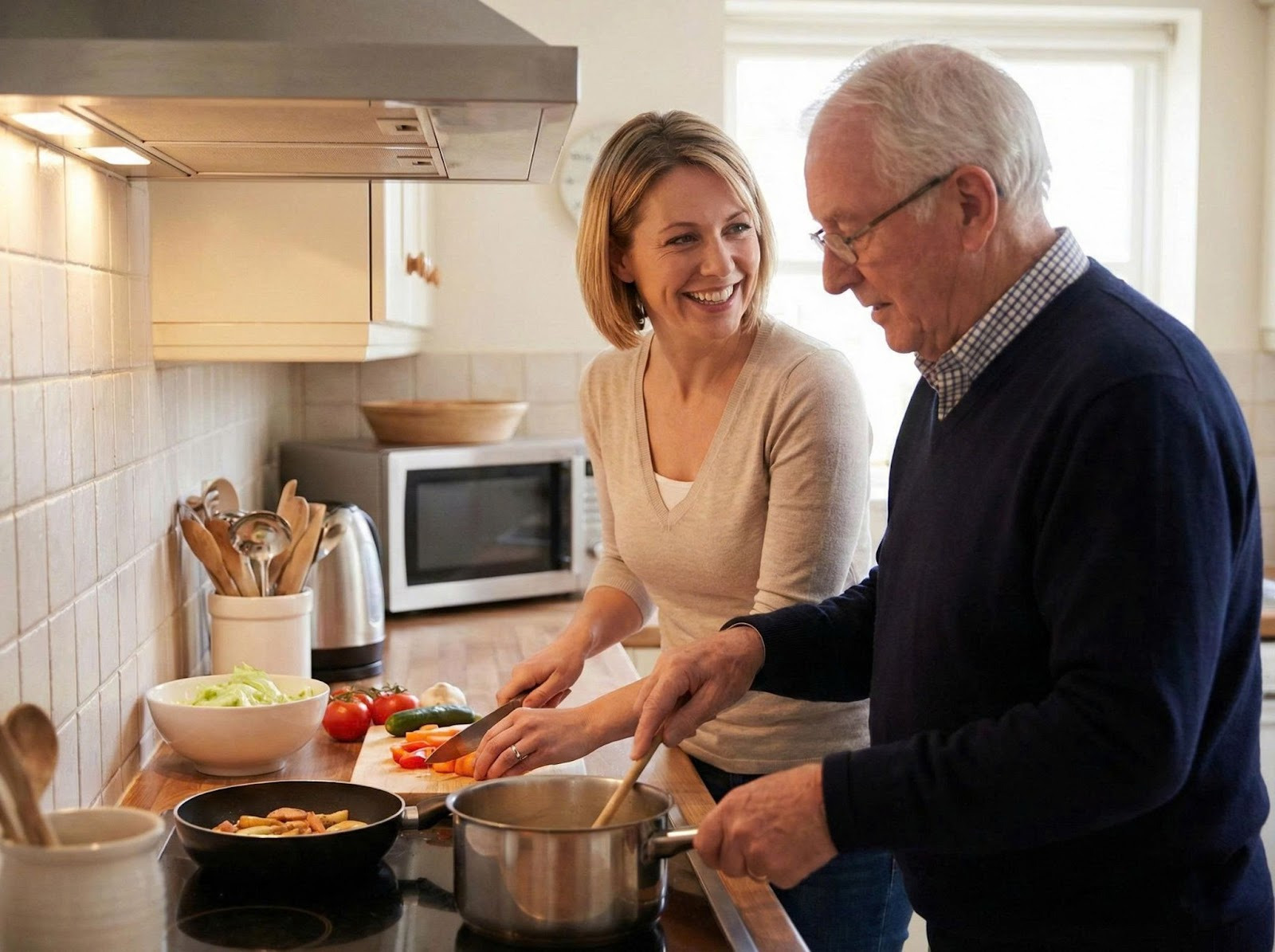
Patients often feel uncomfortable receiving personal care from unfamiliar agency workers. CDPAP resolves this issue by allowing individuals to hire trusted friends or adult children as paid caregivers. The state strictly prohibits spouses and designated legal representatives from receiving payment through this program. These personal assistants do not need formal medical certification. Instead, the patient provides training based on their exact daily routines. This deep existing bond creates better communication and higher satisfaction with the daily support.
Customizing Schedules to Avoid Facility Placement
Unlike rigid institutional facilities, CDPAP provides complete scheduling flexibility to match personal routines and fluctuating medical needs. Beyond standard hygiene and meal preparation, personal assistants can also perform skilled nursing tasks like administering insulin and managing oxygen equipment once trained by the consumer. This level of customization prevents unnecessary facility placement when a patient requires non-standard care hours.
Private Duty Nursing for High-Level Medical Needs
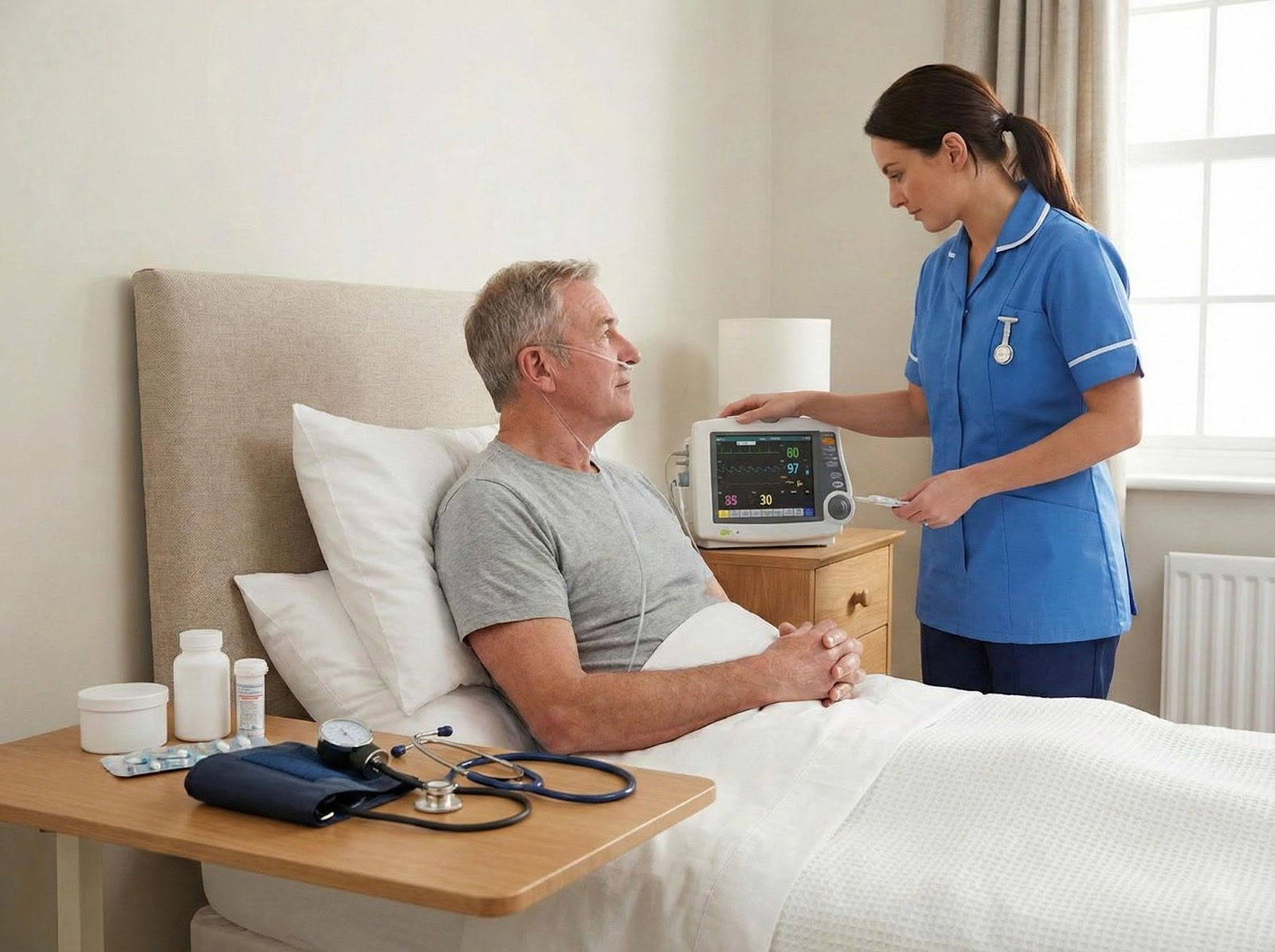
Some individuals require constant clinical monitoring that exceeds the scope of standard personal care aides. Private Duty Nursing provides continuous, highly skilled medical care within the home environment. This service utilizes Registered Nurses and Licensed Practical Nurses to deliver complex treatments. These professionals work in shifts to provide round-the-clock coverage if necessary.
Private Duty Nursing acts as a direct substitute for a hospital or a specialized rehabilitation center. Patients recovering from severe trauma or managing profound chronic illnesses rely on this service to stay out of institutional wards.
Managing Chronic Conditions and Ventilators at Home
Modern medical equipment allows patients with severe conditions to live safely at home. Private Duty Nurses receive specific training to manage life-sustaining needs, including:
- Respiratory Support:
Monitoring mechanical ventilators and performing frequent tracheostomy suctioning to prevent dangerous blockages.
- Nutritional Care:
Managing gastrostomy tube feedings for patients with severe swallowing disorders.
- Clinical Treatments:
Overseeing complex medications, intravenous therapies, and advanced wound care.
Tracking vital signs and managing these high-acuity conditions at home reduces hospital readmissions and lowers infection risks.
Replicating Skilled Nursing Facility Standards in the Residence
Transferring a high-needs patient home requires strict adherence to clinical protocols. Private Duty Nurses turn the residence into a personalized medical environment by:
- Maintaining detailed medical charts and documenting every health intervention.
- Conducting regular physical assessments of skin, respiratory, and neurological health.
- Providing immediate emergency responses that mirror standard facility safety protocols.
Relatives gain peace of mind knowing a trained medical professional actively manages these complex needs close by.
>>> Read more: https://www.nurse.com/nursing-resources/definitions/what-is-private-duty-nursing/

Evaluating the Benefits of Alternatives to Nursing Homes in New York
Choosing between facility admission and community-based care requires careful consideration of financial and personal factors. Families must analyze how each option impacts their long-term security and the daily experience of the patient. State programs and private home agencies work together to make alternatives to nursing home care a realistic option for families across the socioeconomic spectrum.
Comparing Cost-Effectiveness and Medicaid Coverage
Institutional care carries an enormous financial burden. Home care solutions frequently offer a more sustainable economic model for both the state and the individual. Medicaid plays a massive role in funding both options. Nursing homes charge extremely high daily rates for room and board, while home-based care is generally lower and billed by hourly service. Nursing facilities rely on institutional Medicaid with strict look-back periods and potential asset recovery, whereas home care uses community Medicaid waivers with different income trust options. Home care also provides a one-to-one caregiver ratio instead of one staff member shared among multiple residents, and funds go directly to required services rather than covering facility overhead.
Individuals who exceed standard Medicaid income limits can often still qualify for home care funding through a Pooled Income Trust. This financial tool allows the patient to deposit excess income into a trust to pay their living expenses while maintaining their Medicaid eligibility for home services.
Emotional and Physical Advantages of Aging in Place
Allowing patients to remain in their homes provides powerful psychological benefits. Home-based care preserves their direct connection to their personal history, beloved routines, and familiar community. This comforting stability effectively reduces confusion and anxiety for patients facing cognitive decline.
The physical health benefits mirror these emotional gains. Home environments limit a patient's exposure to common viruses frequently found in crowded institutional wards. A dedicated private caregiver provides focused attention, systematically lowering the chances of accidental falls and promoting better overall skin health.
Securing Independence with Humancare NY Services
Successfully navigating Medicaid requirements often requires professional support. HumanCare NY assists families in exploring their best long-term care alternatives by clarifying documentation standards and guiding them through complex clinical assessments. We actively help individuals enroll in the Consumer Directed Personal Assistance Program and connect them directly with highly skilled private duty nurses.
Contact HumanCare NY today at 718-435-1100. Our dedicated team focuses on building personalized service strategies that ensure safety without compromising comfort. By managing complex administrative tasks behind the scenes, HumanCare NY allows patients to concentrate completely on their healing and daily independence.