Understanding the Role of Skilled Nursing Care in Family Caregiving
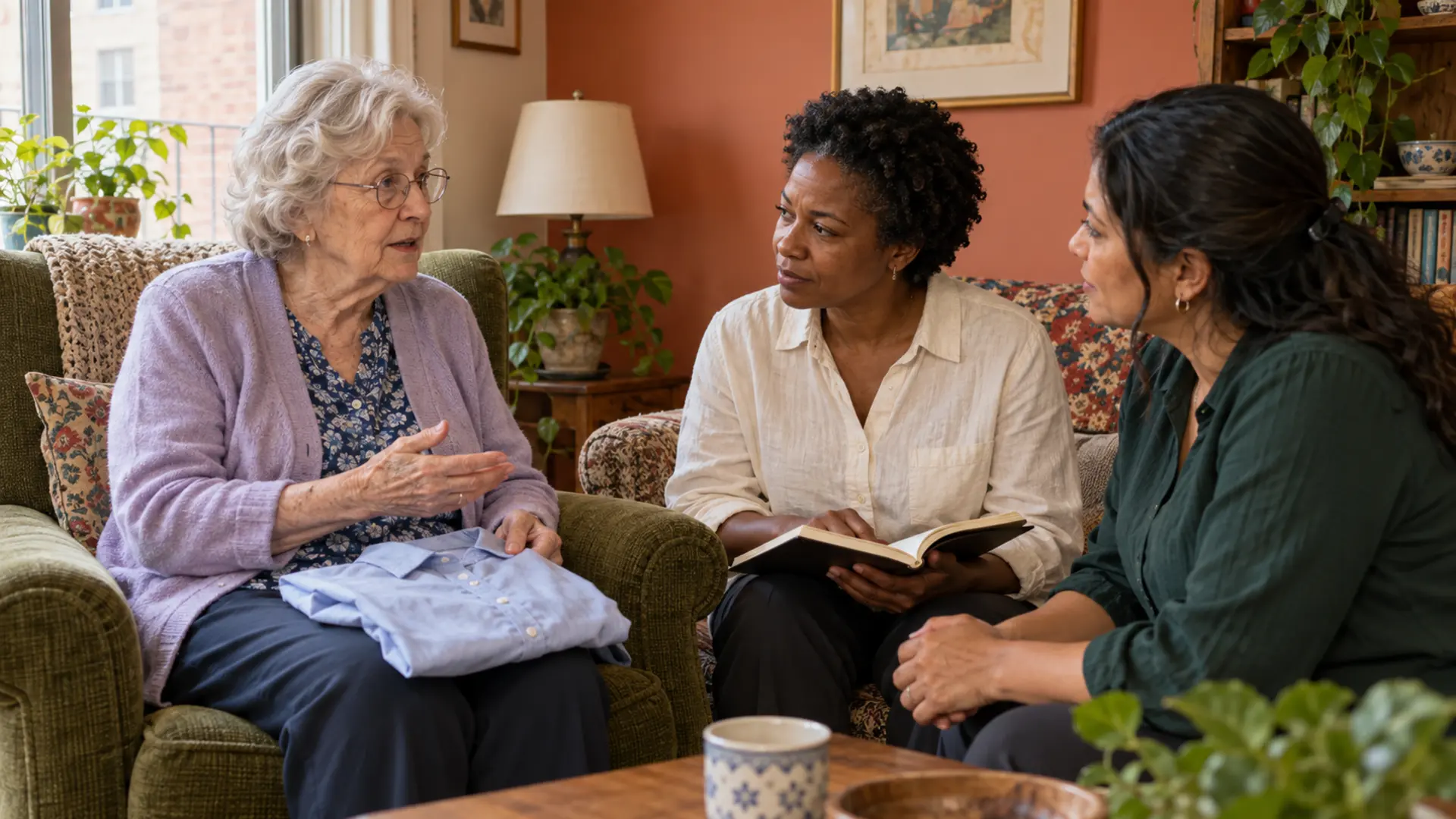
Family caregivers often face immense emotional and physical challenges when providing care to loved ones at home. Skilled nursing care services at home not only improve the quality of care for older adults but also deliver critical support and peace of mind to those who shoulder caregiving responsibilities. This article explores how skilled nursing care empowers family caregivers by enhancing patient outcomes, offering professional expertise, and alleviating caregiver burden.
The Essential Role of Skilled Nursing Care in Home Health
What is Skilled Nursing Care in Home Health?
Skilled nursing care refers to medically necessary services provided by licensed nurses in a patient's home. This level of care includes clinical tasks that require professional training, such as monitoring health status and administering treatments. In home health care, skilled nursing supports recovery from surgery, injuries, or illness, as well as management of chronic conditions like diabetes.
What Typical Skilled Nursing Services Are Provided?
Skilled nursing services in the home encompass a range of medical and therapeutic interventions. Common tasks include:
- Intravenous (IV) injections and medication administration
- Wound care and dressing changes
- Patient education on disease management
- Monitoring serious illnesses for complications
- Assistance with medical equipment use
These services are tailored to the individual's medical requirements, often delivered part-time or intermittently.
How Does Medicare and Medicaid Cover Skilled Nursing Care?
Medicare provides coverage for home health skilled nursing care when the patient meets specific criteria, including being certified as "homebound" by a healthcare provider. These services require a face-to-face assessment and an approved care plan. Once eligible, patients pay no cost for covered services after the Medicare Part B deductible; however, they are responsible for 20% of the Medicare-approved amount. Medicare typically authorizes up to 8 hours of care per day and a maximum of 28 hours weekly, with flexibility for short-term increases.
Medicaid coverage varies by state and may cover skilled nursing for eligible recipients depending on local policies. Both programs aim to support home-based recovery and chronic care management while reducing hospital stays and institutionalization.
What Are the Eligibility and Certification Requirements?
To qualify for skilled nursing services at home, a patient must:
- Be under the care of a physician who provides a care plan
- Be deemed "homebound," meaning leaving home is medically difficult
- Require intermittent skilled nursing or therapy services
A face-to-face evaluation by a healthcare professional is mandatory before Medicare approves coverage. This ensures that patients receive appropriate and professionally supervised care.
This combination of skilled nursing care and home health support promotes faster recovery, reduces hospital visits, and respects patient comfort and independence in their home environment.
Personalized and Professional Care Enhances Patient Recovery and Safety

One-on-one attention and personalized care plans
In-home care involves tailored care plans designed to meet each senior's unique needs. Caregivers provide personalized, one-on-one attention, fostering strong relationships that improve communication and understanding of patient preferences. This individualized approach allows caregivers to detect subtle changes in health or behavior early, enabling timely interventions that prevent complications.
Faster recovery and fewer complications in home settings
Research indicates that elderly adults recovering at home often experience faster healing and fewer health complications compared to hospital stays. The familiar and comfortable surroundings reduce stress and support better overall health outcomes. Home health care promotes autonomy by encouraging patients to participate actively in daily tasks, contributing to their recovery process.
Skilled nursing tasks: wound care, IV therapy, monitoring serious illnesses
Home health care offers a range of skilled nursing services, including wound care, intravenous injections, and careful monitoring of serious conditions. Skilled nurses also provide patient education to manage chronic diseases effectively. These medical services are integrated seamlessly into the home environment, ensuring continuous professional care without the risks associated with hospital or facility stays.
Early detection of health changes and prevention of complications
Personalized home care enables early recognition of health changes due to close observation by caregivers. Early detection supports prompt medical attention, reducing the risk of hospital readmissions and other complications. The presence of skilled nurses and trained aides ensures that any health concern is addressed quickly, maintaining patient safety and wellbeing.
Reducing Family Caregiver Burden Through Skilled Nursing Support

How does skilled nursing support alleviate physical and emotional caregiving demands?
Skilled nursing care at home plays a crucial role in easing both the physical and emotional demands placed on family caregivers. Professional caregivers assist with complex tasks such as wound care, intravenous therapy, and monitoring chronic illnesses, which can be challenging for untrained family members. By taking over these responsibilities, skilled nurses reduce the day-to-day pressure, allowing family caregivers to focus more on emotional support without the added stress of medical management.
In what ways does respite care help prevent caregiver burnout?
Respite care is an essential service provided through professional in-home care programs. It offers family caregivers scheduled breaks by temporarily taking over caregiving duties. These periods of relief help prevent burnout, which arises from continuous physical effort and emotional strain. Respite care allows caregivers time to rest, attend to personal needs, or manage other responsibilities, thereby maintaining their health and enhancing their ability to provide quality care.
How does skilled nursing support with complex medical needs reduce family stress?
Managing complex medical conditions requires specific knowledge and skills, which many family caregivers may not have. Skilled nursing professionals deliver expert care, including medication management, physical therapy, and patient education. This reduces the uncertainty and worry families feel about the adequacy of care, minimizing stress and fear of medical complications. It also ensures timely interventions to prevent health issues from worsening.
How can skilled nursing care enhance family caregivers’ confidence and ability?
Professional in-home nursing educates family caregivers on proper care techniques and health monitoring. Through regular communication and joint care planning, caregivers learn to recognize early signs of health changes and manage daily care more effectively. This partnership builds confidence and competence, empowering family members to participate actively in their loved one's care while sharing responsibilities with healthcare professionals.
Flexibility and Cost-Effectiveness in Skilled Nursing Care Delivery
Hourly Payment Structure and Cost Comparison to Institutional Care
Skilled nursing care provided at home is generally charged by the hour, with the median cost around $33 per hour, making it a more cost-effective option compared to nursing homes or assisted living facilities. Unlike institutional settings that often include fees for amenities and bundled services, in-home care allows families to pay solely for the services their loved ones need, which can reduce unnecessary expenses.
Ability to Scale Care Up or Down Depending on Patient Needs
One significant advantage of skilled nursing care at home is its flexibility. Care levels can be adjusted based on the patient's changing health conditions, providing more hours of care when recovery demands increase, or fewer as independence improves. This adaptive approach supports better resource utilization and personalizes care to individual health trajectories.
Medicare Coverage Nuances and Out-of-Pocket Costs
Medicare covers home health services for eligible individuals who are homebound and require skilled nursing or therapy services. Coverage includes up to 8 hours of care per day for a maximum of 28 hours per week, with additional short-term increases if medically necessary. Patients must meet Medicare's certification requirements, including a face-to-face assessment and a care plan authorized by a healthcare provider. After the Medicare Part B deductible is met, patients typically pay 20% of the approved service amount.
How Skilled Home Nursing Care Helps Delay or Prevent Nursing Home Placement
Receiving skilled nursing care at home can enhance patient outcomes by promoting faster recovery and reducing complications compared to hospital or facility-based care. This in turn delays or even prevents the need for nursing home admission. Personalized attention, early detection of health changes, and encouragement of independence contribute to maintaining seniors in a familiar, comfortable environment longer, easing the emotional and financial burdens on families.
| Aspect | Description | Benefit |
|---|---|---|
| Cost Structure | Hourly payment around $33, pay for specific services only | More affordable and customizable than nursing homes |
| Care Flexibility | Scale care hours up or down as needed | Matches patient needs and avoids unnecessary care |
| Medicare Coverage | Certified care, up to 8 hours/day, 28 hours/week, 20% co-pay | Reduces out-of-pocket expenses for eligible patients |
| Prevention of Institutionalization | Skilled care and early intervention promote recovery | Maintains independence and helps delay nursing home placement |
Supporting Independence and Quality of Life for Seniors
Encouragement of autonomy in daily activities
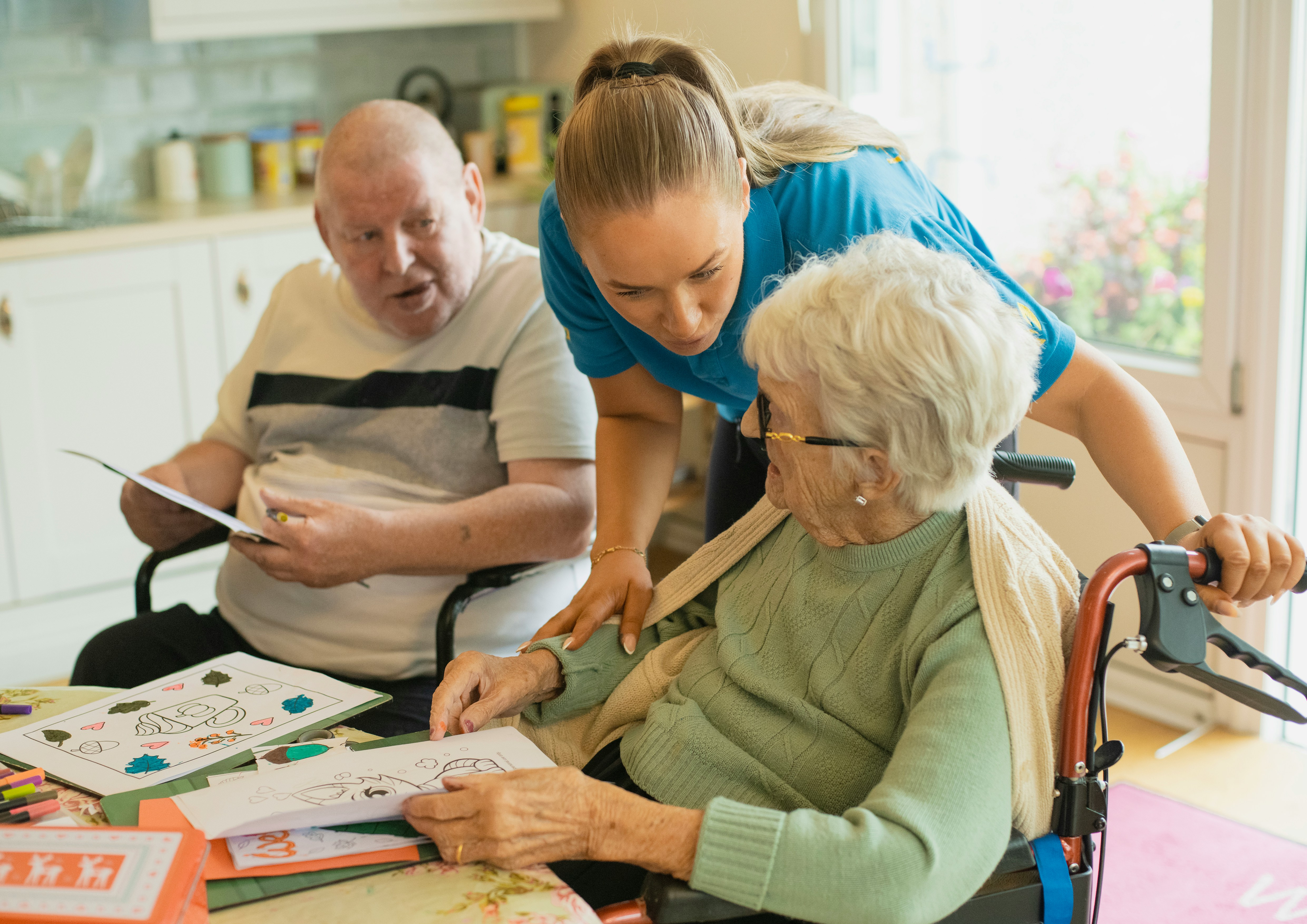
In-home care empowers seniors to maintain independence by assisting with activities such as meal planning, preparation, and managing medical needs. This support encourages individuals to stay active and involved in their daily routines rather than having those functions fully taken over, promoting a sense of accomplishment and control.
Assistance with activities of daily living without compromising dignity
Caregivers provide personalized help with bathing, dressing, grooming, and other personal care tasks, ensuring that seniors receive the necessary support while preserving their dignity. This respectful approach fosters comfort and maintains self-esteem.
Reducing feelings of isolation via companionship and social interaction
One-to-one care by in-home caregivers offers meaningful social interaction, which helps alleviate loneliness and isolation frequently experienced by older adults. Companion services and volunteer visitor programs further promote mental health through ongoing engagement.
Maintaining privacy and familiar environment benefits
Remaining in a senior's own home offers greater privacy compared to communal living in nursing homes. Being in a familiar space reduces distress, especially for those with dementia or Alzheimer’s, and supports emotional well-being by safeguarding their routines and personal space.
Accessing Skilled Nursing Care Through Programs and Resources

Obtaining Skilled Nursing Care via Medicare, Medicaid, and VA Benefits
Skilled nursing care at home is accessible through several federal programs. Medicare covers home health services for eligible individuals who are considered "homebound," including skilled nursing, therapy, and aide care accompanying nursing services. Medicaid also offers varying coverage for home health services, depending on the state. Veterans can obtain skilled nursing and therapeutic services through the VA, provided they meet clinical eligibility and complete the necessary application process.
Requirements for Receiving Medicare-Covered Skilled Care
Medicare coverage requires a face-to-face assessment and certification of a customized care plan by a healthcare provider. This ensures that care is medically necessary and professionally overseen. Services can be provided for up to 8 hours a day, with a weekly maximum of 28 hours, and there is some flexibility for short-term increases based on health needs. Beneficiaries typically pay no cost after meeting the Part B deductible, though a 20% co-payment of the Medicare-approved amount applies.
Community-Based Home Health Agencies and Veteran Oversight
Veteran skilled home health care is delivered through community-based home health agencies contracted with the VA. These agencies meet quality standards and oversight requirements to guarantee consistent and effective care. Services offered include nursing, physical and occupational therapy, wound care, home infusion, and social work support. Veterans are encouraged to discuss eligibility and service options with their VA social worker or case manager.
Caregiver Support Programs and Educational Resources
Support for caregivers is an integral part of in-home care services. Programs providing respite care, counseling, and caregiver self-assessment tools help reduce caregiver burnout. Educational resources, like training courses for certified in-home caregivers and VA decision aids, enhance caregiving skills and informed decision-making. These resources ensure caregivers receive professional guidance and emotional support while managing their roles effectively.
Integrating Skilled Nursing Care to Strengthen Family Caregiving Partnerships
How does collaborative care planning benefit family caregivers and professionals?
Collaborative care planning between family caregivers and skilled nursing professionals ensures personalized care tailored to the older adult's unique needs. This partnership helps detect health or behavioral changes early, allowing timely interventions and reducing complications. By working together, caregivers and professionals develop comprehensive care plans that balance medical requirements with daily support.
What training and communication advantages do professional caregivers provide?
Certified in-home caregivers receive training covering patient rights, vital signs, nutrition, and risk management. Their professional expertise enables them to assist with medical tasks such as wound care and medication management. Effective communication between caregivers and families enhances understanding of patient preferences, strengthens relationships, and supports consistent care delivery.
How does professional support enable family caregivers to focus on relationships and shared activities?
By entrusting skilled caregiving tasks to professionals, family members gain respite from intensive caregiving duties. This relief allows them to dedicate more quality time to social interaction, emotional support, and shared activities with their loved ones. Such focus nurtures stronger bonds and improves the overall wellbeing of both seniors and their families.
What research supports better outcomes with integrated skilled home health care?
Studies show that elderly adults recover faster and experience fewer complications when cared for at home with skilled nursing support compared to hospitalization. Home health care promotes independence, reduces hospital visits, and lowers infection risks. Integrating professional care with family support offers a safer, more comfortable environment that advances recovery and quality of life.
Building Confidence Through Skilled Nursing Care: Empowering Families
Skilled nursing care at home plays a crucial role in supporting both the health and dignity of older adults and the well-being of family caregivers. By delivering expert medical care, personalized attention, and flexible, cost-effective services, skilled nursing care alleviates the substantial burden on families. It promotes patient independence, enhances recovery outcomes, and offers caregivers much-needed respite and reassurance. As more families face the challenges of caregiving, skilled nursing care emerges as an indispensable partner, providing confidence and peace of mind in navigating complex health needs at home.
References
- What Are 7 Benefits of In-Home Care vs. Nursing ...
- Services for Older Adults Living at Home
- 6 Benefits of Home Care and Home Health Care Services
- Home Health Services Coverage
- What are the Benefits of Home Health Care
- Skilled Home Health Care - Geriatrics and Extended Care
- In-home health care
- Medicaid Supports for Family Caregivers