The Critical Transition from Hospital to Home
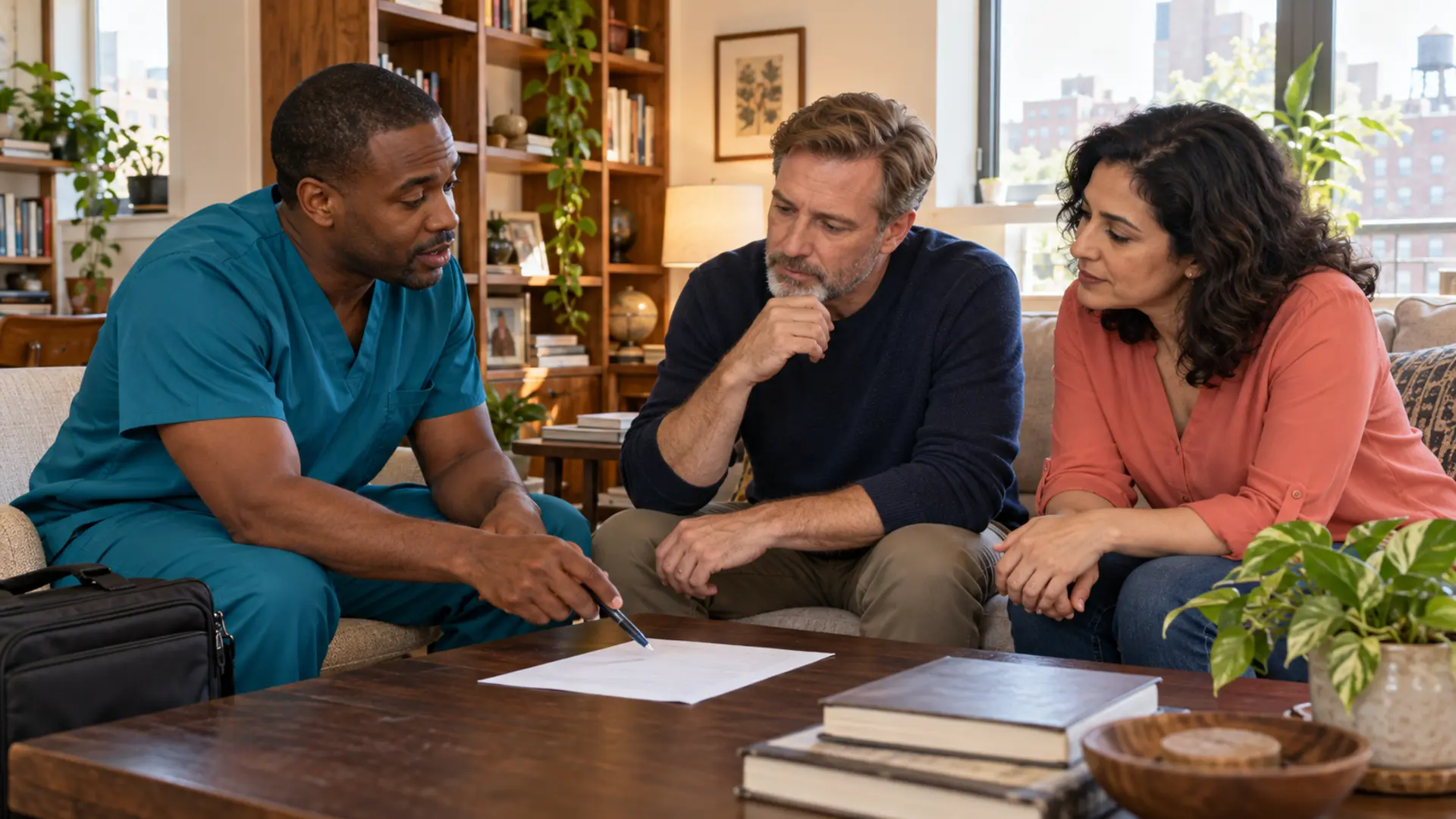
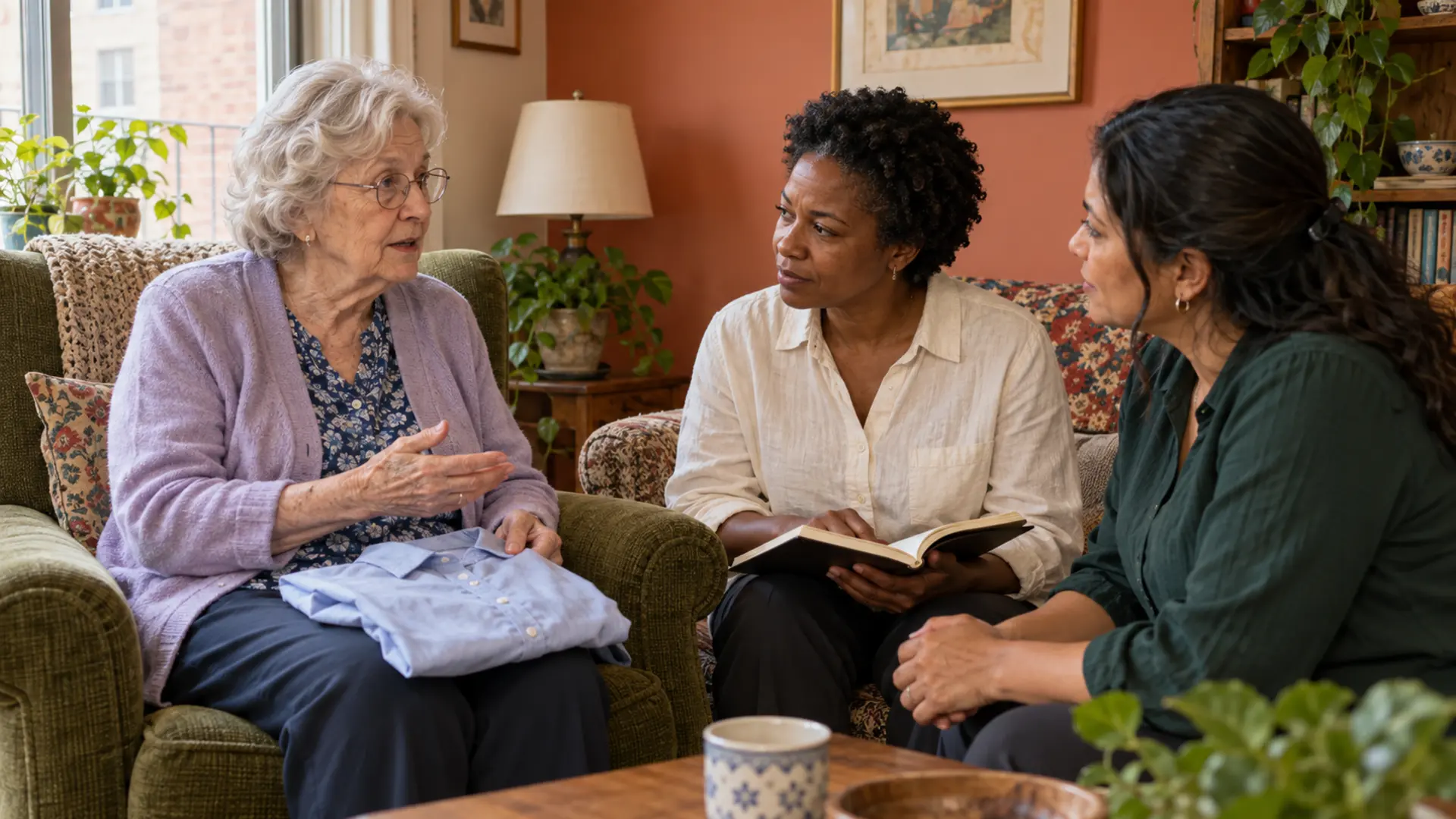
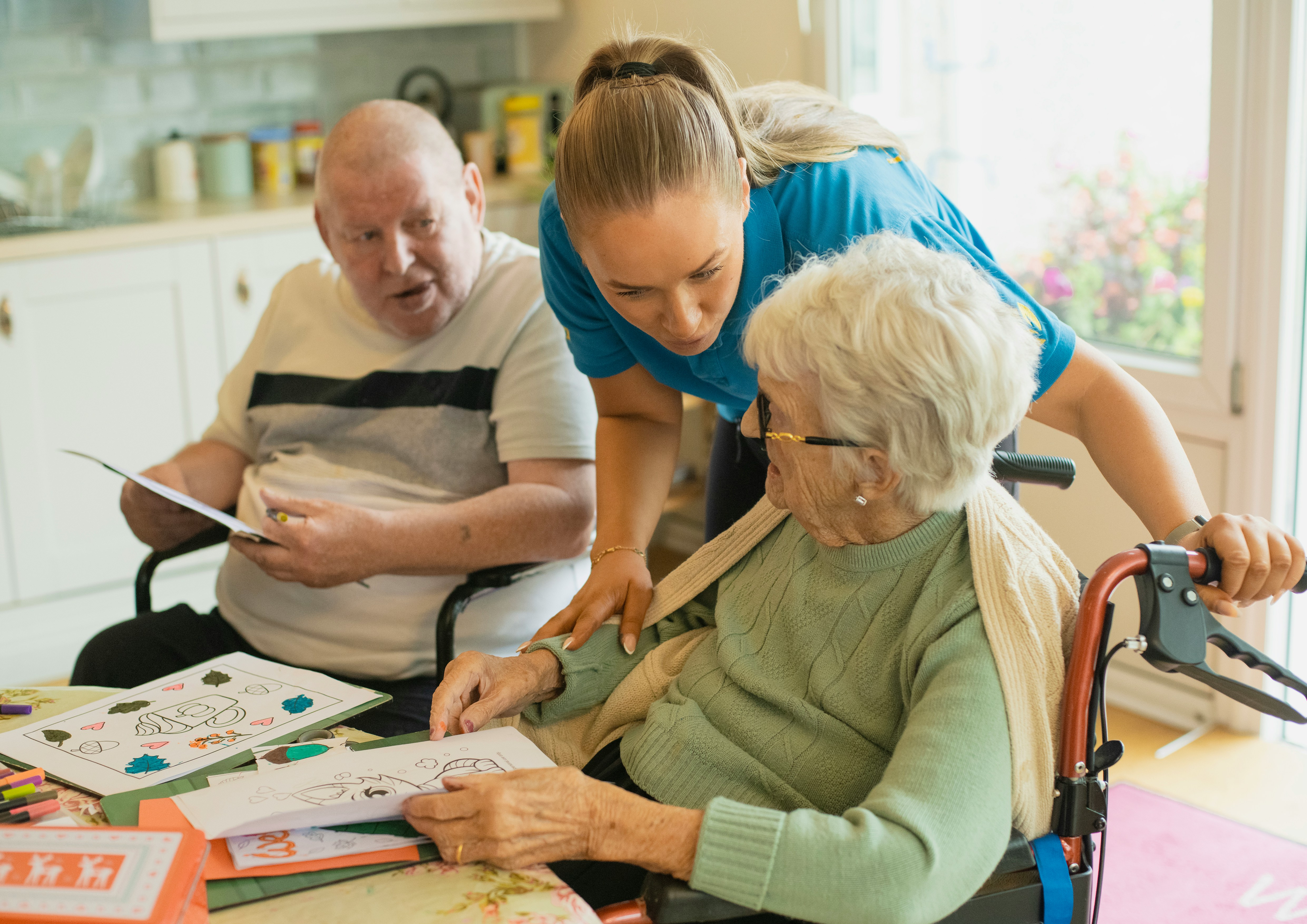
Transitioning from hospital care back to the comfort of one's home is a pivotal moment in a patient's recovery journey. This period demands meticulous coordination, personalized care, and support systems to prevent complications and ensure well-being. Skilled nursing services act as a crucial bridge during this vulnerable phase, providing medical oversight alongside personal care that empowers patients and relieves families. This article explores how skilled nursing effectively fills the gaps between hospital and home, enhancing outcomes and fostering safer, smoother transitions.
Understanding Skilled Nursing and Its Role in Transitional Care
What is skilled nursing and what services does it include?
Skilled nursing involves medical services provided by licensed nurses, including Registered Nurses (RNs) and Licensed Practical Nurses (LPNs), who deliver specialized health care at home. These services encompass wound care, medication administration, vital signs monitoring, chronic disease management, post-surgical care, and intravenous (IV) therapy. Such comprehensive care ensures continuous medical supervision essential for patients recovering outside the hospital.
How does skilled nursing differ from personal care aides?
While personal care aides (PCAs) assist with daily living activities like bathing, dressing, grooming, meal preparation, shopping, and companionship, they do not provide medical treatment. Skilled nurses, by contrast, administer clinical care and monitor health conditions, making their role crucial for patients needing medical support but not hospitalization.
Why is skilled nursing important for transitional care?
Patients transitioning from hospital or rehabilitation settings often require more than personal care but less intensive hospital treatment. Skilled nursing fills this gap by ensuring proper medical management in the familiar home environment, reducing risks of complications and rehospitalization, and facilitating a smoother recovery. Through individualized care plans, skilled nurses address patient-specific conditions and coordinate with healthcare providers, supporting successful transition and long-term well-being.
| Aspect | Skilled Nursing | Personal Care Aides (PCAs) |
|---|---|---|
| Provider | Licensed nurses (RNs, LPNs) | Trained aides without medical licensure |
| Medical Care | Wound care, medication, IV therapy | Assistance with daily activities only |
| Patient Monitoring | Yes, including vital signs and symptoms | No medical monitoring |
| Setting | Home with medical supervision | Home support focused on routine assistance |
| Goal | Recovery support with medical oversight | Daily living support and companionship |
The Challenges of the Hospital-to-Home Transition for Older Adults
What are the main challenges patients face during transitions from hospital to home?
Patients transitioning from hospital to home, especially older adults with chronic conditions, encounter numerous challenges. A significant issue is poor communication between healthcare providers and patients or their families, which often leads to incomplete transfer of discharge instructions and medical information. This gap can result in misunderstandings about medication management, activity restrictions, or follow-up care.
Many patients also struggle with limited access to essential community-based services and lack a designated care coordinator to streamline their transition. These shortcomings jeopardize the continuity of care, increasing the likelihood of complications after discharge.
Risks associated with poor hospital discharge processes
Ineffective discharge procedures contribute directly to adverse events, reduced patient satisfaction, and a higher rate of rehospitalization. Without comprehensive discharge planning—including clear medication lists, scheduling of follow-up appointments, and preparation of the home environment—patients are vulnerable to relapse or injury.
Common gaps in care during transitions
Key gaps include incomplete information transfer, inadequate patient and caregiver education, and limited support access. These gaps can leave family caregivers unprepared, compounding their stress and adversely affecting patient outcomes.
Vulnerabilities of older adults with chronic conditions
Older adults with multiple chronic illnesses face elevated risks during care transitions. Their complex medical needs require thorough coordination, continuous monitoring, and personalized support to prevent functional decline and complications.
Inadequate communication and information transfer issues
Failing to provide patients and families with full information and proper instruction on post-discharge care reduces adherence to treatment plans and delays identification of warning signs. This inadequacy undermines confidence and increases preventable hospital readmissions.
Overall, overcoming these challenges demands improved hospital discharge processes, comprehensive care planning, and enhanced communication strategies designed to support older adults and their caregivers through safe and effective transitions.
The Vital Role of Skilled Nursing in Closing Care Gaps

How skilled nursing addresses transitional care gaps
Skilled nursing bridges critical gaps that often emerge during transitions from hospital to home. These services offer more than personal care—they provide continuous medical supervision by trained nurses who manage complex health needs effectively. This level of care ensures that patients receive consistent attention when the risk of complications is high.
Continuous medical supervision and individualized care plans
Registered nurses (RNs) and licensed practical nurses (LPNs) develop personalized care plans tailored to each patient's unique medical requirements. This approach not only addresses immediate health concerns but also supports chronic disease management and post-surgical recovery. Nurses monitor vital signs and adjust care strategies as needed, which promotes safer, smoother recovery outside hospital settings.
Preventing complications and promoting recovery
By closely observing patients, skilled nurses identify early warning signs of potential complications such as infection, medication side effects, or changes in condition. Timely interventions help reduce rehospitalization rates and foster a faster return to health. Their supervision includes medication management and wound care, both essential to preventing adverse events that commonly occur post-discharge.
Education and emotional support from skilled nurses
Skilled nursing extends beyond clinical duties; nurses provide patient and family education on managing medications, diet, and activity restrictions. This empowerment enhances patient adherence to care plans. Additionally, these professionals offer emotional support, helping reduce anxiety and easing the stress of recovery.
Coordination with healthcare providers
An important role of skilled nurses is acting as liaisons between patients and their broader healthcare team. They ensure follow-up appointments are scheduled and medical information is accurately communicated, facilitating a seamless continuum of care. This coordination is crucial to maintaining treatment consistency and optimizing health outcomes at home.
Personal Care Aides: Essential Support Complementing Skilled Nursing

What roles do personal care aides play in post-discharge care?
Personal Care Aides (PCAs) play a vital role in supporting patients during their transition from hospital to home. Their primary function is to assist patients with everyday tasks that enable a smoother recovery process. These tasks include bathing, grooming, dressing, meal preparation, shopping, and providing companionship. While PCAs do not provide medical treatments, they support patients in following their post-discharge care plans, which cover medication management, activity guidelines, and dietary needs.
Assistance with daily living activities for recovery support
By helping with daily living activities, PCAs reduce the burden on patients and family caregivers alike. Their assistance ensures that patients maintain good hygiene, proper nutrition, and routine, all of which are essential for both physical and emotional recovery. This hands-on support allows patients to regain independence at a comfortable pace while promoting their overall well-being.
PCA monitoring for warning signs requiring medical attention
Though PCAs are not medical professionals, they are trained to observe patients closely for any warning signs that could indicate complications. These signs include unusual fatigue, shortness of breath, fever, confusion, or mood changes. Early detection of such symptoms allows for timely medical intervention, potentially preventing hospital readmissions.
Collaboration between PCAs and skilled nursing
PCAs complement skilled nursing services by focusing on non-medical care aspects, while licensed nurses handle medical and clinical tasks such as wound care and medication administration. This collaboration creates a comprehensive care environment where patients receive both medical supervision and personalized daily support.
Emotional and companionship support
Beyond physical assistance, PCAs provide important emotional support and companionship. Their presence helps reduce patients' feelings of isolation and anxiety during recovery. This emotional care plays a significant role in enhancing patients’ morale and motivation throughout their healing journey.
| Aspect | Role of PCAs | Relation to Skilled Nursing |
|---|---|---|
| Daily Activities Assistance | Bathing, grooming, dressing, meal prep | Supports daily living beyond medical care |
| Monitoring Warning Signs | Observes symptoms like fatigue, confusion | Alerts nursing staff for medical follow-up |
| Emotional Support | Provides companionship and boosts morale | Complements holistic patient care |
| Care Plan Adherence | Helps patients follow care instructions | Skilled nurses manage medication and treatment |
By working closely with skilled nursing professionals, Personal Care Aides ensure a safer and more comfortable recovery at home, addressing both practical needs and emotional well-being.
Preparing the Home Environment for Safe Recovery
Why Are Home Modifications Important for Post-Discharge Safety?
Making specific changes to the home environment before a patient returns from the hospital is crucial for ensuring their safety and comfort. Removing hazards and implementing safety features reduces the risk of falls and accidents, which can seriously delay recovery or cause re-hospitalization. These home modifications empower patients to maintain as much independence as possible during their recuperation period.
Essential Home Adaptations Before Discharge
Several common adaptations have proven effective in supporting safe recovery at home:
- Grab Bars: Installed in bathrooms and other critical areas to aid balance and prevent slips.
- Nonslip Mats: Placed in showers, tubs, and on floors to reduce slip hazards.
- Good Lighting: Bright, evenly distributed lighting helps prevent trips and improves navigation.
- Ramps: Provide easier access for patients using wheelchairs or walkers, eliminating the need to negotiate steps.
Arranging Home-Based Medical Equipment and Services
In addition to physical modifications, arranging for necessary medical equipment such as hospital beds or mobility aids is part of preparing the home. Coordination with skilled nursing professionals ensures that safety assessments are comprehensive, covering both medical needs and environmental risks.
Supporting Independence and Reducing Fall Risk Through Preparation
A well-prepared home environment fosters patient confidence and supports daily activities like bathing, dressing, and meal preparation. This setup not only enhances emotional well-being but also minimizes falls, a leading cause of complications during recovery.
Collaboration With Skilled Nursing Assessments
Skilled nurses often conduct home evaluations prior to discharge, recommending necessary modifications and services tailored to the patient’s medical condition. Their expertise helps align home safety preparations with individualized care plans, ensuring a seamless transition from hospital to home.
The Role of Family Caregivers in Transitional Care

Family caregivers’ responsibilities and contributions
Family caregivers play an essential role in easing patients' transitions from hospitals, rehab centers, or skilled nursing facilities back to home or alternative care settings. They assist with daily routines, help monitor for warning signs of medical concerns, and coordinate with care providers to ensure patients follow their post-discharge care plans. By supporting adherence to medication schedules, activity guidelines, and follow-up appointments, caregivers contribute significantly to patient recovery and emotional well-being.
Importance of advocacy and communication during transitions
Advocacy by family caregivers is crucial during care transitions. This involves actively checking the status of admissions, understanding discharge timing, and closely monitoring the quality of care and communication between healthcare teams. Being present during transitions enhances safety and helps prevent errors or gaps in care. Caregivers should insist on receiving comprehensive information, be included in all medical decisions, and ensure proper instruction for any medical tasks they are expected to perform.
Need for caregiver education and inclusion in medical decisions
Family caregivers require thorough education about the patient’s condition, medications, and activity restrictions before discharge. Their inclusion in decision-making fosters confidence and prepares them for the demanding role of home care. It is vital that caregivers receive guidance tailored to their loved one’s unique needs to provide personalized and safe care.
Stress and preparation challenges faced by caregivers
Despite their importance, caregivers often face stress and feelings of being unprepared for the responsibilities following discharge. This stress can result from lack of information, inadequate training, and the challenges of coordinating complex care needs at home. Early planning with discharge planners and care coordinators can help mitigate some of these challenges by setting up services like personal care aides or skilled nursing when needed.
Supporting caregiver self-care and building a support team
Successful transitional care involves recognizing the caregiver’s need for self-care, including stress management and adequate rest. Building a support network among family members, community services, and healthcare providers helps distribute care demands and maintain caregiver well-being. This collaborative approach ultimately leads to safer transitions and better health outcomes for patients.
Planning Ahead: Coordinated Discharge and Early Preparations
Why is early discharge planning essential for successful transitions?
Engaging discharge planners and care coordinators early in the hospital stay is crucial for a smooth transition from hospital to home. Early involvement allows the healthcare team to assess patient needs clearly, arrange appropriate post-discharge services such as NYHC PCAs or skilled nursing, and ensure insurance coverage is understood and appropriately applied. This proactive communication helps prevent gaps in care that could lead to complications or rehospitalization.
Creating comprehensive discharge checklists
A thorough discharge checklist supports safe transitions. Key items include:
- Obtaining complete medication lists and prescriptions
- Reviewing discharge instructions with patients and families
- Arranging transportation home
- Ensuring transfer and accessibility of all medical records
This checklist ensures no critical detail is overlooked and supports family caregivers in managing care after discharge.
Understanding insurance coverage and care options
Early discussions about insurance benefits and coverage can guide decisions around home care services. Care coordinators can help families understand what services—like personal care aides or skilled nursing—are covered, enabling them to choose options that best fit patient needs and preferences.
Ensuring proper documentation and medical records transfer
Complete and timely transfer of medical records is essential for continuity of care. Families should confirm that all discharge documents, medication lists, and care plans are provided and communicated to home care providers to avoid missed treatments or conflicting information.
Importance of scheduling follow-up and arranging transportation
Scheduling follow-up appointments before discharge ensures ongoing monitoring and recovery support. Additionally, arranging reliable transportation to appointments or therapy sessions prevents delays in care that can affect health outcomes.
By planning ahead and coordinating these elements early, patients and families are better prepared and supported, promoting safer and more effective recovery at home.
Innovative Models Enhancing Transitional Care Outcomes

What models have proven effective in improving hospital-to-home transitions?
Several innovative care models have demonstrated significant success in improving hospital-to-home transitions, particularly for older adults with complex healthcare needs.
Community-Based Programs
The 'Hospital at Home' program is a community-based model that delivers hospital-level care in a patient's home. This approach achieves clinical outcomes comparable to traditional hospital stays but with shorter duration and lower costs. Additionally, outpatient rehabilitation programs such as the CARE day hospital enhance function and reduce hospital readmissions among high-risk older adults by providing structured therapy outside of an inpatient setting.
Hospital-Based Models
The Acute Care for Elders (ACE) units within hospitals improve discharge readiness and prevent functional decline. These units use specialized environments, interdisciplinary teams, and early discharge planning to support better outcomes and smoother transitions.
Nurse-Led Coaching and Advanced Practice Nurse (APN) Interventions
Transitional care models featuring nurse-led coaching and APN interventions focus on patient education, medication management, and self-care support. These interventions have consistently reduced rehospitalization rates, increased patient satisfaction, and lowered healthcare costs.
Patient and Family-Centered Approaches
Incorporating family-centered care is essential. Early assessment of caregiver needs, enhanced communication between patients, families, and providers, and providing education empower caregivers to manage health challenges effectively. This approach supports continuity of care and further improves outcomes.
Together, these models create a comprehensive framework to ensure safer, cost-effective, and patient-focused transitions from hospital to home, reducing complications and enhancing quality of life.
Cost-Effectiveness and Patient Comfort of Skilled Nursing at Home
How does receiving skilled nursing care at home benefit patients financially and emotionally?
Receiving skilled nursing care at home offers significant financial benefits compared to prolonged hospitalization. Home-based services often cost less, helping reduce overall medical expenses while still providing professional medical attention. This cost-effectiveness can ease the financial burden on patients and families.
Emotionally, being cared for in a familiar environment greatly enhances patient comfort and well-being. Staying at home helps maintain a sense of normalcy and security, which is especially beneficial for elderly patients or those with limited mobility. This emotional support often leads to faster recovery and improved satisfaction with care.
Additional advantages of skilled nursing at home
- Personalized Care: Nurses develop individualized care plans tailored to the patient’s specific health needs, improving outcomes.
- Reduced Healthcare System Strain: Home care can prevent unnecessary rehospitalizations, easing demand on hospital resources.
- Comprehensive Coordination: Skilled nursing services include not just medical care but also patient education, emotional support, and coordination with other healthcare providers, ensuring a well-rounded approach.
Together, these factors make skilled nursing at home a valuable option that balances quality care with cost savings, ultimately promoting better health and greater patient comfort.
The Future of Transitional Care: Addressing Family Caregiver Needs and Policy Implications

What future improvements are needed to support family caregivers and transitional care?
Supporting family caregivers effectively during transitional care requires substantial policy and research advancements. Currently, there is a critical need for regulatory reforms that eliminate barriers across different care settings, ensuring seamless coordination and communication. Such reforms can enable family caregivers to participate more fully in discharge planning and ongoing care management.
Equally important are reimbursement policies that favor integrated transitional services involving family caregivers. These policies would provide financial support for caregivers’ time and efforts, encouraging their active engagement without undue economic hardship.
Performance measures must evolve to explicitly include and capture family caregivers’ roles and contributions. By doing so, healthcare systems can better evaluate the effectiveness of transitional care models and identify areas needing improvement from the caregiver perspective.
What are the research gaps on family caregiver support across settings?
Despite the recognized importance of caregivers, their specific needs are often overlooked, contributing to stress and feelings of being unprepared. More research is needed to develop and validate care models that address family caregiver needs comprehensively and consistently across all care transitions, including hospital to skilled nursing facilities and home.
Such research would help create evidence-based strategies for training, supporting, and integrating caregivers, leading to improved patient outcomes and decreased rates of rehospitalization.
What strategies can improve comprehensive, effective care transitions?
Promising approaches include enhancing access to community-based services and improving hospital transition processes. Family-centered care models that assess caregiver needs early, provide education, and foster better communication among patients, families, and providers are vital.
Nurse-led coaching and advanced practice nurse interventions have shown success in improving satisfaction and reducing rehospitalization, highlighting the value of interdisciplinary coordination that includes caregivers.
Ultimately, policy and research must strive for models that support caregivers holistically, promote collaboration across care settings, and align reimbursement with integrated transitional care services to ensure safe, timely, and patient-centered care transitions.
Bridging the Gap with Skilled Nursing: A Pathway to Safer Home Recovery
Skilled nursing services are an indispensable link between hospital and home, providing the necessary medical oversight, personalized care, and coordination that transform challenging transitions into achievable recoveries. By working alongside personal care aides, family caregivers, healthcare professionals, and community programs, skilled nursing helps close care gaps, prevents complications, and promotes patient independence within a secure environment. As healthcare models evolve and policies improve to better support caregivers and care coordination, the future promises even safer, more effective transitions that honor patient dignity and well-being in the comfort of home.