The Role of Personalized Companion Care in Fostering Senior Independence
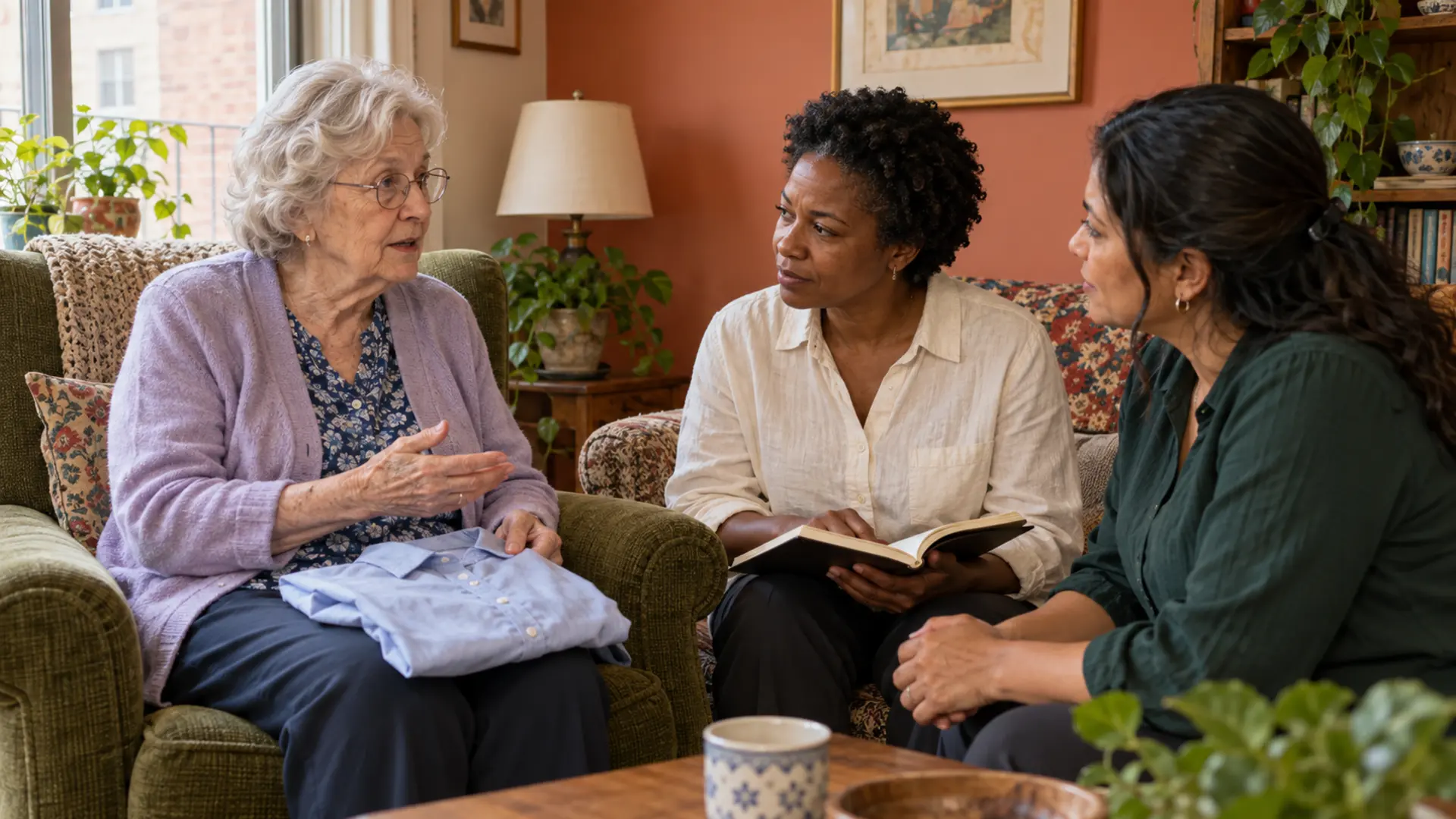
As seniors seek to maintain autonomy and comfort in their later years, personalized companion care emerges as a vital solution. This form of care allows the elderly to remain in familiar surroundings while receiving tailored support designed around their unique needs. Programs like the Consumer Directed Personal Assistance Program (CDPAP) and others provide flexible, family-oriented caregiving options that enhance quality of life and independence for those requiring assistance with daily activities.
Understanding the Consumer Directed Personal Assistance Program (CDPAP)

What is CDPAP and Who is Eligible?
CDPAP, or the Consumer Directed Personal Assistance Program, is a Medicaid-funded initiative designed for individuals who are chronically ill or physically disabled. To qualify, participants must be Medicaid-eligible and have a stable medical condition along with a verified need for home care. Adults over 18 require a community health assessment to confirm the necessity of assistance. Furthermore, candidates must have the capability to self-direct or delegate decisions about their care to participate.
How Does CDPAP Work?
This innovative program empowers recipients to personally select and train their own caregivers, who may be friends or family members, with the exception of spouses, designated representatives, or parents of minor children. Those enrolled in CDPAP take on the responsibilities of recruiting, hiring, training, supervising, and if needed, dismissing their personal assistants. Additionally, they coordinate any other services that support their care.
Role of Medicaid and Administration
Since CDPAP is funded by Medicaid, eligible participants receive financial support through this public assistance framework. The program's operational logistics, including payroll, wage processing, and employment record-keeping for caregivers, are managed statewide by Public Partnership LLC (PPL). All CDPAP recipients work exclusively with PPL as their Fiscal Intermediary to ensure smooth administration.
Caregiver Selection and Training
Unlike traditional home care services, CDPAP allows individuals more freedom by selecting caregivers from their trusted network. There are no prior experience requirements for caregivers, and they receive compensation for their efforts. The responsibility for training falls on the care recipient or their representative, enabling personalized instructional needs based on individual health routines and preferences.
Ultimately, CDPAP provides seniors and disabled individuals with autonomy and tailored support, creating an in-home care environment that respects their preferences and enhances their quality of life.
Benefits of Personalized In-Home Care for Seniors
How does in-home care help preserve seniors’ independence?
In-home care empowers seniors by allowing them to remain in their own homes, where they feel most comfortable and secure. By enabling seniors to continue living in familiar surroundings, the care they receive supports their autonomy and daily routines, which can often be disrupted during relocation to nursing homes or assisted living facilities.
Comfort of Familiar Surroundings
Living at home helps reduce the stress and anxiety seniors may experience when adjusted to new environments. Personal caregivers, often family members or close friends through programs like CDPAP, provide personalized care that respects each individual’s preferences and needs. This environment fosters emotional well-being as companionship and emotional support are integral parts of the caregiving process.
Reducing Transitions to Nursing Homes
By receiving assistance with daily activities such as medication management, meal preparation, and housekeeping at home, seniors avoid the need for disruptive transitions. This continuity of care preserves their sense of independence and dignity while relieving families from the stress associated with institutional care.
Cost-Effectiveness of In-Home Care
In-home care is often less expensive than nursing homes since it reduces costs related to transportation, institutional food services, and other ancillary expenses. Programs like CDPAP further support this model by compensating family caregivers, easing financial burdens and allowing for more personalized and tailored services.
Overall, personalized in-home care significantly enhances the quality of life for seniors by blending safety, comfort, and financial prudence within the home setting.
| Aspect | Benefit | Details |
|---|---|---|
| Independence Preservation | Maintains autonomy | Seniors manage routines in familiar surroundings with trusted caregivers |
| Familiar Surroundings | Emotional stability | Comfort from environment reduces anxiety; caregivers provide companionship |
| Avoid Transitions | Reduces stress | Limits disruptive moves to new care environments |
| Cost Savings | Financial efficiency | Decreases expenses like transportation and institutional care; family caregivers are compensated |
The Role of Family Caregivers Within Personalized Care Programs
Can family members become paid caregivers and what support do they receive?
Many personalized care programs, such as CDPAP in New York and IHSS in California, empower family members to become paid caregivers for their loved ones. This important feature allows seniors to receive care from trusted individuals, offering greater comfort and customized support.
Training and certification requirements
Family caregivers enrolling in these programs must pass background checks and health screenings to ensure safety. They are required to complete mandated training, including certifications in CPR and First Aid, equipping them to provide competent and reliable care.
Support and resources for caregivers
Caregiving can be demanding, so programs provide resources such as respite care to give caregivers breaks, emotional support groups to help manage stress, and access to community-based services. Agencies like the California Department of Aging also offer ongoing training and assistance.
Legal and financial considerations
Caregivers receive guidance on maintaining accurate care and payroll records, understanding tax responsibilities associated with paid caregiving, and managing legal documents including Powers of Attorney and Advanced Health Care Directives. These measures help protect both the caregiver and the care recipient.
Through these supports, family members can confidently take on caregiving roles, all while receiving financial compensation and resources that promote high-quality, personalized home care.
Tailoring Care to Individual Needs and Preferences
How is care individualized to support seniors' unique needs?
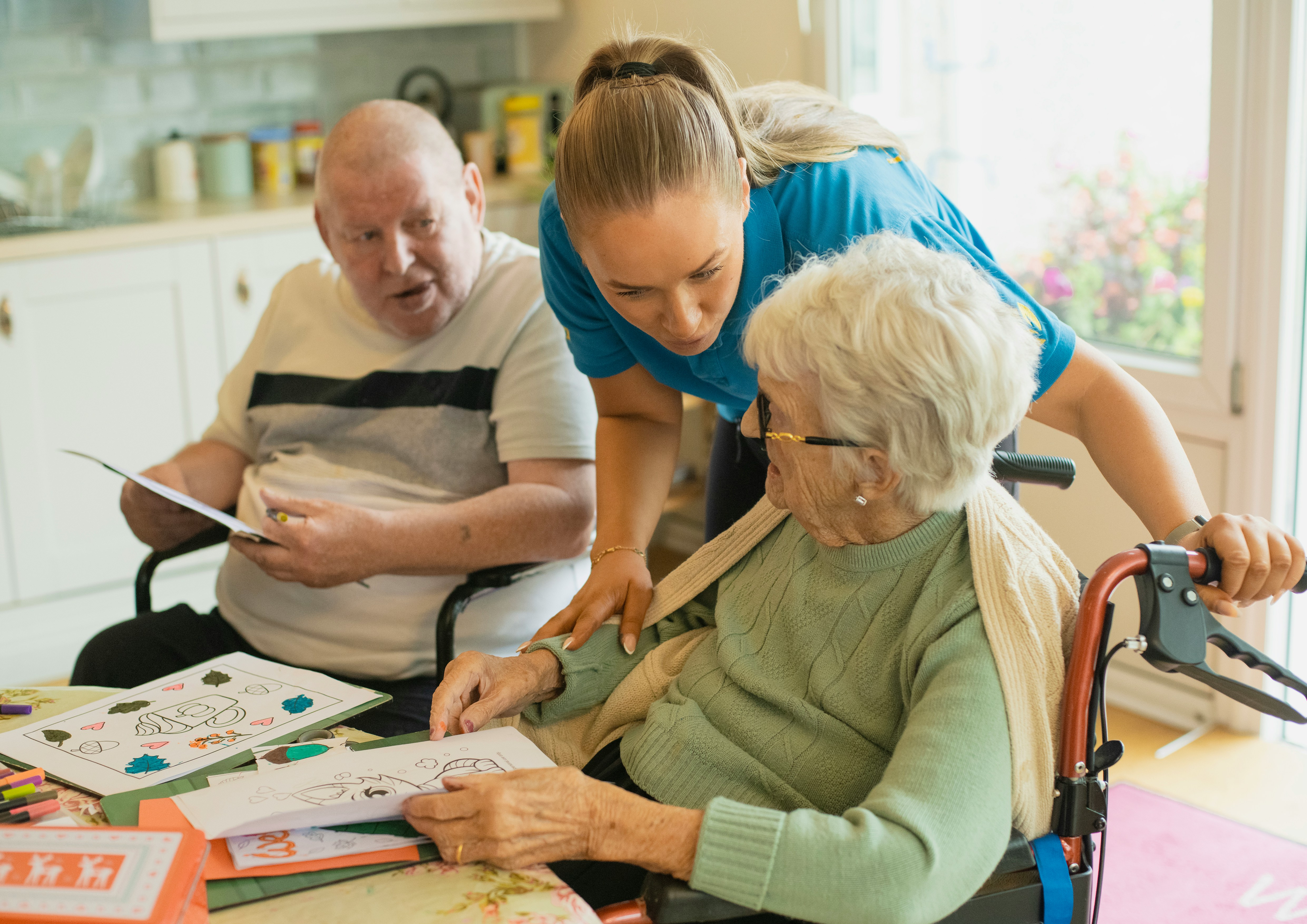
Care in programs like CDPAP is highly personalized to meet each senior’s distinct requirements. Caregivers work with seniors to develop individualized care plans that may include assistance with personal care, medication management, meal preparation, housekeeping, and providing emotional support.
Personalized care planning
Seniors collaborate with their caregivers and program coordinators to outline what types of help they need and the amount of time each activity requires. This ensures every individual receives attention tailored precisely for their lifestyle and health condition.
Addressing both physical and emotional needs
Aside from physical assistance, caregivers also focus on emotional well-being by offering companionship. This is particularly valuable for seniors experiencing isolation or limited mobility, which can impact mental health.
Companionship benefits
Regular interaction with trusted caregivers helps alleviate feelings of loneliness and improves overall quality of life. The ability to choose caregivers familiar to the senior builds trust and comfort, fostering deeper social connections.
Safety evaluations
Caregivers are trained to identify potential safety hazards at home, such as fall risks or improper medication storage, creating a safer living environment. These proactive assessments help prevent accidents and provide peace of mind for both seniors and their families.
Program Coordination and Administration: The Role of Fiscal Intermediaries
How do recipients manage caregiver employment and program administration?
Recipients in the CDPAP program actively manage their caregiver relationships by recruiting, hiring, training, supervising, and, if necessary, terminating their personal assistants. This hands-on approach allows them to tailor care to their specific needs and preferences.
Fiscal intermediary functions
While recipients manage these employment responsibilities, Public Partnership LLC (PPL) serves as the essential Fiscal Intermediary for the program. PPL's primary role involves handling the complex administrative tasks related to payroll and employment, ensuring timely and accurate processing of wages for caregivers.
Payroll and employment record-keeping
PPL also maintains comprehensive employment records for all personal assistants under the program. This management helps maintain compliance with Medicaid regulations and labor laws, providing a seamless administrative support system for both recipients and caregivers.
Coordination through agencies
In addition to PPL's functions, organizations like Special Touch Home Care assist recipients across regions by helping navigate program paperwork and connecting them with home health agencies. This coordination ensures recipients receive comprehensive support from caregiver selection through ongoing care management.
Through this structure, the CDPAP program effectively empowers recipients while providing reliable administrative and financial support, promoting independence and quality care in the home environment.
Addressing Emotional and Social Well-being Through Companion Care
What emotional and social benefits do companion caregivers provide?
Companion care is essential in addressing the emotional and social needs of seniors. Many older adults face isolation, particularly those with limited mobility or health challenges that confine them to their homes. Companion caregivers help reduce this isolation by providing regular social interaction, engaging conversations, and emotional support.
Beyond simply alleviating loneliness, companion caregivers enhance mental well-being by building trusting relationships and offering companionship that promotes a sense of belonging. This ongoing personal connection can improve mood, reduce anxiety, and foster a more positive outlook on life.
Moreover, companion care contributes to a higher overall quality of life by tailoring support to the unique preferences and needs of each senior. Emotional support from trusted caregivers encourages seniors to remain engaged with their surroundings and maintain their independence within the comfort of their home.
By addressing these social and emotional dimensions, companion caregivers play a vital role in sustaining seniors’ mental health alongside their physical care needs.
Navigating Access and Financing for In-Home Care
How do seniors and families access and finance personalized home care?
Organizations like CDChoices play an essential role in helping seniors and their families obtain and finance personalized in-home care. They guide individuals through available programs such as the Medicaid-funded Consumer Directed Personal Assistance Program (CDPAP), the Expanded In-Home Services for the Elderly Program (EISEP), private pay options, and respite care.
Navigating these programs can be complex due to eligibility rules, application processes, and paperwork requirements. CDChoices provides assistance in managing these challenges, ensuring seniors maximize the care they receive while minimizing financial strain.
Financial support options include Medicaid-covered services like CDPAP, which allows clients to choose and compensate family or friends as caregivers, easing the burden of caregiving costs. Additionally, respite care programs offer temporary relief to family caregivers, allowing them time to rest while ensuring their loved ones receive continuous support.
By offering comprehensive support covering access to care programs, financial planning, and practical assistance, organizations like CDChoices help maintain seniors’ independence, health, and quality of life in their own homes.
Personalized Companion Care as a Pathway to Sustained Independence
Personalized companion care harnesses the power of choice, flexibility, and family involvement to uphold seniors' independence in their own homes. Programs like CDPAP empower individuals to direct their care with trusted caregivers, offering tailored assistance that meets both physical and emotional needs. With comprehensive support, from training caregivers to coordinating services and financial assistance, personalized in-home care becomes a sustainable and preferred alternative to institutional settings. Ultimately, this approach nurtures autonomy, enhances quality of life, and strengthens the vital bonds between seniors and their communities.