Understanding the Impact of Social Connection on Seniors
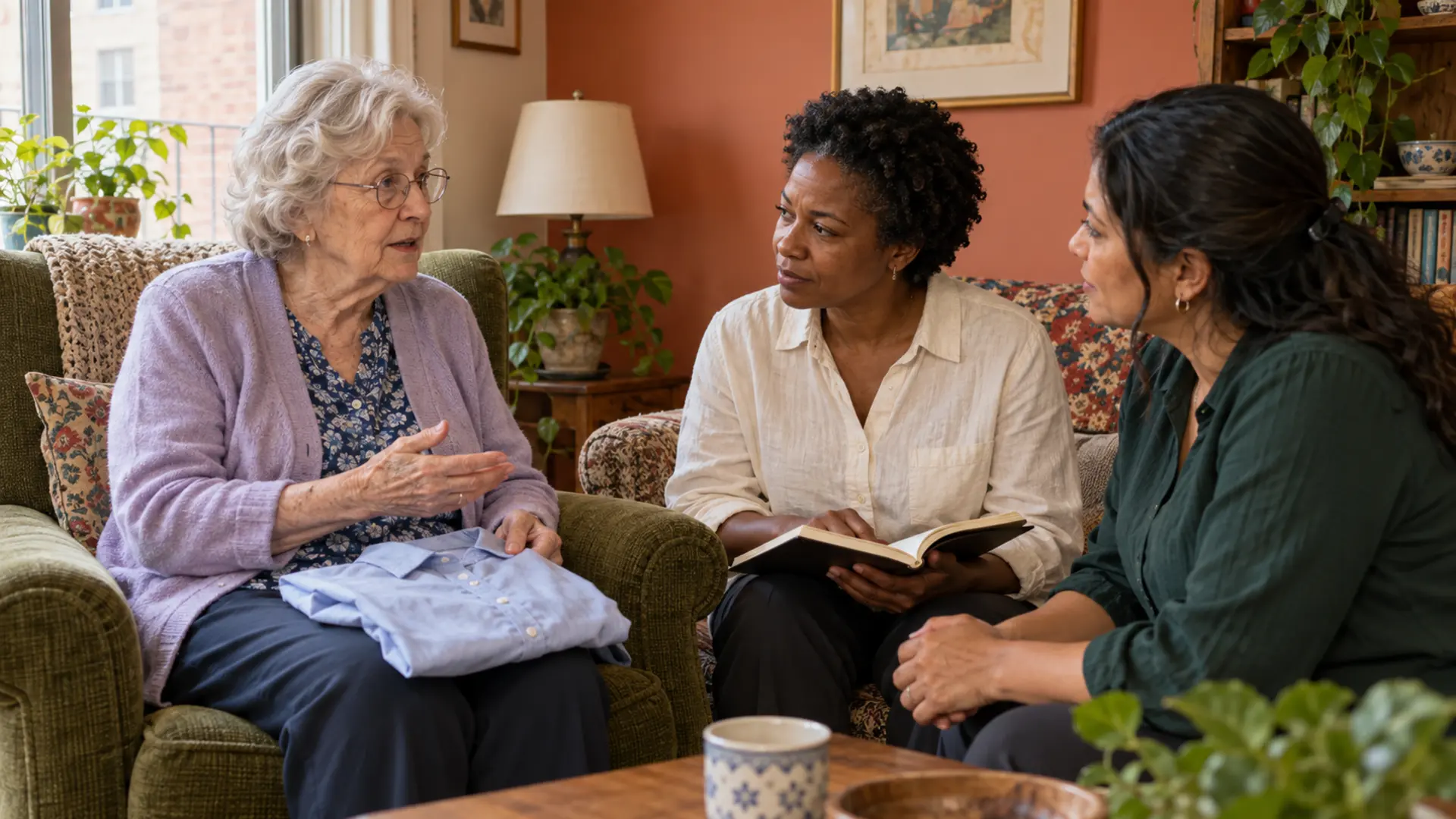
Social isolation and loneliness are silent epidemics impacting nearly one in three older adults in the United States, leading to serious mental and physical health concerns. This narrative explores how companionship, especially through in-home care services, plays a crucial role in promoting the mental well-being of seniors. Through regular interaction, cognitive stimulation, and emotional support, companionship services offer profound benefits that extend beyond mere socialization, contributing to improved cognitive health, emotional stability, and a better quality of life for seniors.
The Stark Reality of Loneliness in Older Adults

How prevalent is loneliness and social isolation among seniors?
Nearly one in three older adults in the United States suffers from loneliness or social isolation. Additionally, about 50% of individuals over the age of 60 are considered to be at risk of social isolation. This widespread issue highlights the urgent need for interventions that foster social connections among seniors.
What are the consequences of loneliness on mental and physical health?
Loneliness and social isolation have serious repercussions, negatively impacting both mental and physical well-being. Seniors experiencing these feelings face increased risks of depression, anxiety, memory loss, heart disease, and even higher mortality rates. The emotional distress linked with isolation can also lead to cognitive decline and exacerbate existing health problems, significantly diminishing quality of life.
What statistics demonstrate loneliness and risk factors in seniors?
- Approximately one-third of seniors report experiencing feelings of loneliness later in life.
- Half of seniors over 60 are at risk of social isolation, a critical factor connected to various health issues.
These statistics underscore the pressing concern surrounding loneliness in older populations and the importance of addressing it through targeted care and companionship services.
Companionship Services: A Lifeline Against Isolation

What Role Do Senior Companionship Services Play?
Senior companionship services serve as an essential support system for older adults, especially those living alone or with limited social contact. Nearly one in three seniors struggles with loneliness or social isolation, conditions that strongly influence mental health and overall wellbeing. These services provide more than just company; they offer a structured routine and emotional support that promote security, stability, and optimism in daily life.
What Types of Social Interactions and Activities Are Provided?
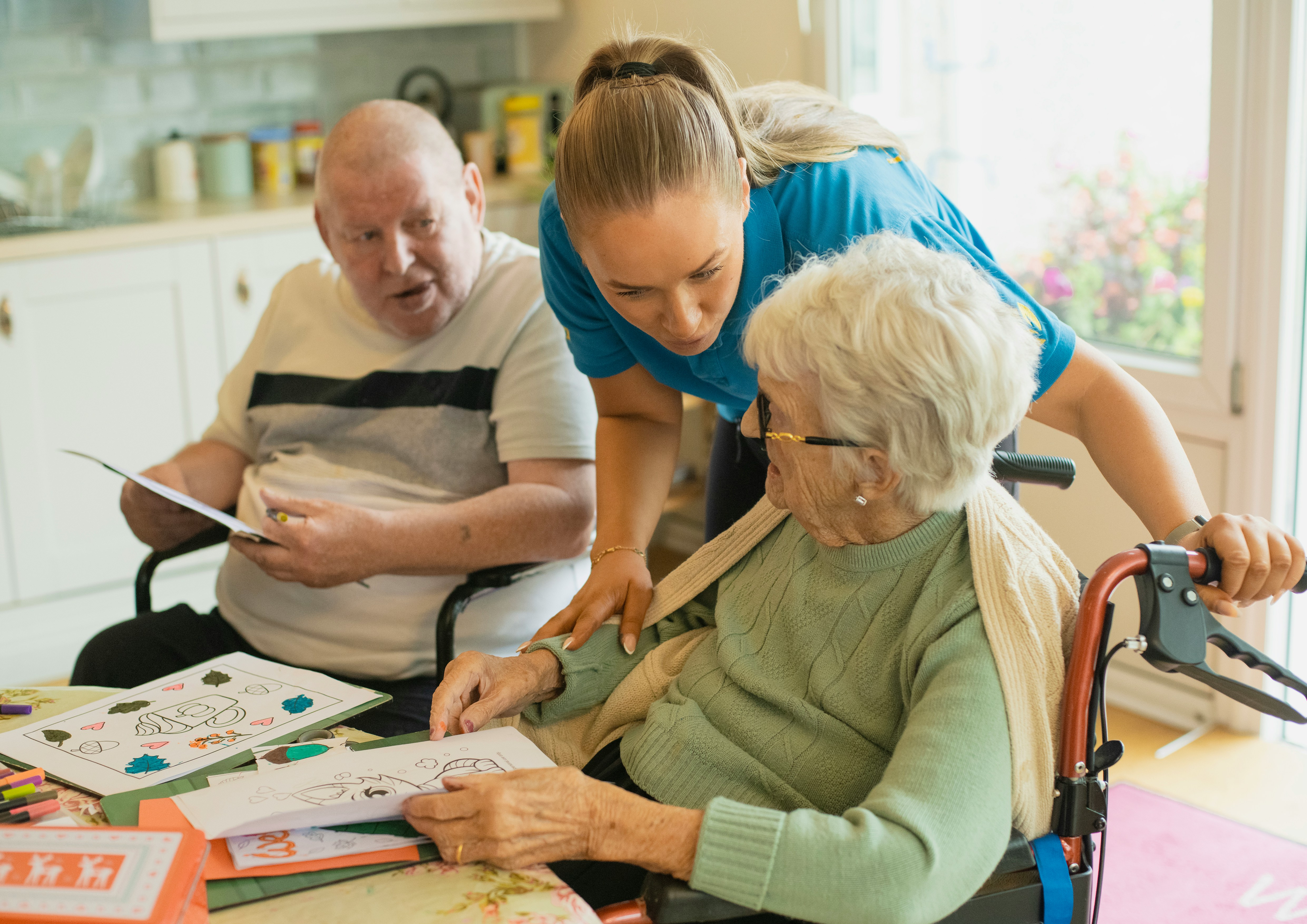
Companionship involves various engaging activities including conversation, games like puzzles and memory tasks, shared meals, light errands, and even light exercises. These activities are designed to maintain cognitive agility, provide emotional connection, and keep seniors physically active. Caregivers may also assist with transportation to social events or promote involvement in hobbies and community activities, further enriching social engagement.
How Do Companionship Services Reduce Feelings of Loneliness and Depression?
Loneliness and social isolation can lead to depression, memory loss, heart disease, and higher mortality rates. Companionship services combat these risks through consistent social interaction, emotional support, and mental stimulation. By creating opportunities for genuine conversations and fostering a sense of belonging, these services help reduce sadness, anxiety, and feelings of despair. Regular visits also build emotional security and peace of mind, which are critical to mental health.
Overall, companion care acts as a vital lifeline, helping seniors maintain their mental and emotional wellbeing while enhancing their quality of life.
Cognitive Stimulation Through Engaging Activities
What activities do companions engage seniors in to stimulate cognition?
Companion care involves a variety of stimulating activities tailored to keep seniors mentally active. These activities include puzzles, games, storytelling, and light exercises, all designed to engage different cognitive skills. These interactions prompt problem-solving, memory recall, and social communication, making them enjoyable and beneficial.
How do these activities affect cognitive health?
Engaging regularly in puzzles and games helps maintain cognitive agility by encouraging seniors to think critically and use memory skills. Storytelling fosters language skills and emotional expression, while light physical exercises aid brain function through improved blood flow. Together, these activities reduce the risk of cognitive decline and dementia by continuously exercising the mind.
In what ways does companion care promote mental stimulation and memory preservation?
Companion caregivers provide consistent mental engagement by initiating and supporting these cognitive activities. Their presence ensures seniors participate regularly, offering encouragement and assistance as needed. This reliable interaction helps preserve memory, slows cognitive decline, and supports overall mental wellness by maintaining emotional stability and a sense of purpose.
| Activity Type | Cognitive Benefit | Companion's Role |
|---|---|---|
| Puzzles and games | Problem-solving and memory enhancement | Facilitates and encourages participation |
| Storytelling | Language skills and emotional expression | Engages in conversation and shares experiences |
| Light exercises | Brain function via physical activity | Motivates and assists with safe movement |
Through these structured and enjoyable experiences, senior companionship fosters a stimulating environment that promotes cognitive health and quality of life.
Emotional Support and Stability Provided by Caregivers
How Do Consistent Visits Provide Emotional Security and Peace of Mind?
Regular, reliable visits from caregivers create a routine that many seniors find comforting. This consistency fosters emotional security by alleviating feelings of loneliness and uncertainty, especially for those living alone. Knowing that someone is there to offer support helps reduce anxiety and promotes a sense of stability in daily life.
In What Ways Do Caregivers Help Reduce Anxiety, Sadness, and Depression?
Companion caregivers engage seniors in uplifting conversations, shared activities, and emotional support, which can significantly diminish feelings of sadness and depression. Through social interaction, physical activity encouragement, and participation in enjoyable pastimes, caregivers help promote optimism and improve overall mood.
How Can Caregivers Assist Seniors in Coping With Health Issues and Life Transitions?
Emotional support from caregivers plays a crucial role in helping seniors manage the distress that often accompanies health challenges or major life changes. By offering compassionate understanding and steady companionship, caregivers help seniors process emotions related to aging, loss, or medical conditions, fostering resilience and improving emotional well-being.
Promoting Physical and Social Engagement for Mental Well-being

How does companionship encourage physical activity in seniors?
Companions motivate seniors to stay physically active by encouraging light exercises and participation in daily activities. Physical movement helps reduce stress hormones and stimulates the production of endorphins, which contribute to improved mood and overall mental health.
What role does transportation to social events play in mental well-being?
Providing transportation enables seniors to attend social gatherings, community events, and recreational activities, helping them maintain social connections. This engagement combats feelings of loneliness and isolation, fostering a sense of belonging and emotional stability.
How do social and physical engagements improve mood and reduce stress?
Regular interaction through activities such as conversation, games, and physical exercises promotes optimism and emotional stability. These engagements reduce anxiety and sadness by offering seniors meaningful connections and stimulating both mind and body.
By combining physical activity with social participation, companion care supports emotional well-being and cognitive health, enhancing seniors' quality of life.
Comprehensive Benefits of Integrating Companion Care with Home Health Services
Safety Enhancements and Assistance with Daily Living
Companion care plays a crucial role in enhancing the safety of seniors living at home. Caregivers assist with tasks that might otherwise pose risks, such as navigating stairs, bathing, and meal preparation. This support helps reduce the risk of falls and household injuries while promoting a safer living environment. Moreover, companions provide help with everyday activities like meal preparation, light housekeeping, grocery shopping, and running errands. These services are especially beneficial for seniors with mobility challenges, ensuring they remain independent and comfortable in their own homes.
Integration with Medical and Personal Care Services
Companion care can seamlessly integrate with other home health services, such as skilled nursing and personal care. This combined approach creates a comprehensive care plan tailored to an individual's needs. Such integration supports seniors in aging in place with dignity and comfort by addressing both their medical and psychosocial requirements. The presence of a companion alongside healthcare providers promotes coordination of care, ensuring that seniors receive consistent attention and support throughout their daily routines.
Overall Improvements in Mental Health, Quality of Life, and Aging in Place
Beyond physical assistance, companion care profoundly benefits seniors’ mental health and emotional well-being. Regular social interaction and engagement reduce feelings of loneliness, depression, and anxiety, which are prevalent among older adults. Activities encouraged by caregivers—such as conversation, games, light exercises, and outings—stimulate cognitive functions and promote a sense of belonging. Emotional support from companions fosters stability and optimism, helping seniors navigate the transitions and challenges of aging. Receiving comprehensive care in their own homes enables seniors to maintain autonomy while enjoying improved quality of life and enhanced physical resilience.
| Aspect | Benefits | Description |
|---|---|---|
| Safety Enhancements | Risk reduction, assistance with daily tasks | Helps prevent falls and injuries; supports mobility and hygiene |
| Integration with Health Services | Coordinated care plan, comprehensive support | Combines companion care with nursing and personal care for holistic senior care |
| Mental Health Improvement | Reduced loneliness, depression, increased cognitive activity | Social interaction promotes emotional stability, cognitive sharpness, and overall wellbeing |
| Quality of Life | Increased independence, emotional security | Enables seniors to age comfortably at home with personalized support |
Embracing Companionship as a Key to Senior Mental Health
The profound mental health benefits of companionship for seniors are undeniable. By combating loneliness, fostering cognitive engagement, providing emotional stability, and encouraging social participation, companion care substantially enhances the quality of life and overall well-being of older adults. Integrating these services within home health care models not only supports mental wellness but also promotes safety and dignity in aging. Recognizing and investing in companionship as a cornerstone of senior care can help mitigate the silent crisis of isolation and unlock healthier, happier later years for our aging population.
References
- HOW IN-HOME COMPANIONSHIP IMPROVES MENTAL ...
- The Benefits of Companion Care for Seniors
- How Companionship in Home Care Boosts Seniors' Mental ...
- How Companion Care Improves Emotional Well-Being in ...
- The Importance of Companionship in Senior In-Home Care
- Companion Care at Home Boosts Mental Health for Seniors