A New Era for In-Home Skilled Nursing Care
Innovations in skilled nursing services are dramatically transforming recovery experiences for individuals requiring in-home care. Programs like the Consumer Directed Personal Assistance Program (CDPAP) exemplify this change by empowering patients to control their caregiving arrangements, ensuring personalized, flexible, and competent support during recovery. This article explores how skilled nursing innovations, particularly through consumer-directed models, are reshaping the landscape of home care, fostering independence, and enhancing quality of life.
Consumer-Directed Care: Revolutionizing Skilled Nursing at Home

What is the Consumer Directed Personal Assistance Program (CDPAP)?
CDPAP is a Medicaid initiative driven by the New York State Department of Health that transforms home care by empowering individuals to select and manage their own caregivers. This approach allows Medicaid recipients to maintain independence while receiving personalized care in their own homes.
How does CDPAP empower patients in their caregiving choices?
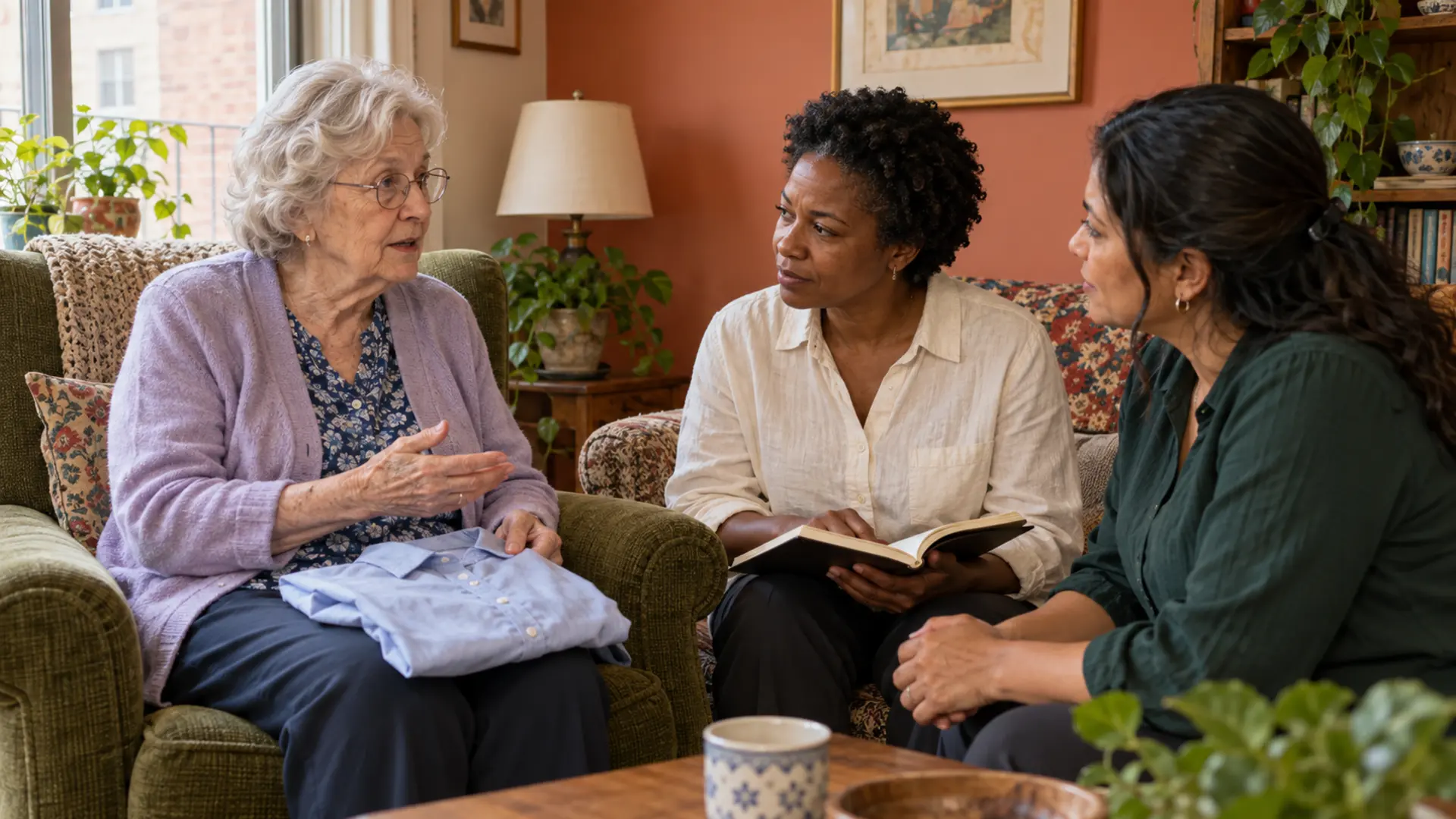
Unlike traditional home care programs, CDPAP puts the individual at the center of decision-making. Patients or their designated representatives have full control over recruiting, hiring, training, and supervising their caregivers. This autonomy enhances dignity and ensures that care is tailored to personal preferences and needs.
Can family and friends be caregivers under CDPAP?
Yes. One of the program's distinctive features is its allowance for Medicaid recipients to hire trusted family members or friends as caregivers. The only restrictions exclude spouses, guardians, or parents of minors. This arrangement provides comfort and trust, fostering a supportive care environment.
What types of services does CDPAP cover?
CDPAP caters to a broad range of needs, including assistance with activities of daily living (ADLs) such as bathing, dressing, and mobility. It also encompasses household chores and extends to skilled nursing services when caregivers receive proper training. This flexibility addresses varying medical complexities.
What is the eligibility and enrollment process for CDPAP?
To qualify, individuals must be Medicaid recipients residing in private homes within New York State, demonstrating the need for home care due to disability, chronic conditions, or medical reasons. Applicants must have the capacity or a representative to direct their care and meet income and resource standards. The enrollment involves choosing a participating agency, completing requisite applications, selecting caregivers, and submitting documentation. Upon enrollment, caregivers undergo training before services commence.
| Aspect | Description | Additional Details |
|---|---|---|
| Program | Consumer Directed Personal Assistance Program (CDPAP) | Medicaid-funded, New York State Department of Health initiative |
| Patient Empowerment | Full caregiver choice and control | Patients manage recruitment, training, and supervision |
| Caregiver Options | Family members, friends (with some exceptions) | Spouses, guardians, parents of minors excluded |
| Services Offered | Personal care, ADLs, household chores, skilled nursing | Skilled nursing requires trained caregivers |
| Eligibility Requirements | Medicaid eligible, need home care, NY resident | Must reside in private home; income/resource standards apply |
| Enrollment Process | Choose agency, apply, select caregiver, training | Caregivers must complete training before care starts |
Eligibility and Enrollment: Navigating Access to Personalized Skilled Nursing
Who qualifies for CDPAP?
To be eligible for the Consumer Directed Personal Assistance Program (CDPAP), individuals must first be Medicaid recipients residing in New York State. The program is designed for those who need home care due to disabilities, chronic medical conditions, or other medical reasons and have a stable medical condition that necessitates assistance with daily activities or skilled nursing care.
What are the residency and income requirements?
Applicants must live in a private residence within New York State to qualify. Additionally, they need to meet certain income and resource standards established by Medicaid to ensure proper eligibility.
What are the steps to enroll and select caregivers?
Enrollment in CDPAP requires several key steps:
- Select a participating agency such as Five Star Home Health Care Agency, which helps guide applicants through the process.
- Complete the necessary application forms and submit any required documentation.
- Identify and choose personal caregivers, who can be family members or trusted friends (excluding spouses, guardians, or parents of minors).
- Undergo training for caregivers to prepare them for providing personal assistance or skilled nursing services.
- Once enrolled, recipients or their representatives manage recruitment, training, and supervision of caregivers.
How does Five Star Home Health Care Agency assist in enrollment?
Five Star Home Health Care Agency plays a pivotal role by assisting consumers throughout the enrollment journey. They offer guidance on paperwork, caregiver selection, and the transition into receiving care under CDPAP. This support ensures that eligible recipients can smoothly access personalized skilled nursing care at home, fostering independence and tailored assistance.
Caregiver Selection and Training: Building Skilled and Trusted Support Networks
Who is responsible for recruiting and hiring caregivers?
Under the CDPAP program, recipients or their designated representatives take an active role in recruiting and hiring their personal caregivers. This responsibility empowers individuals to choose someone they trust and feel comfortable with, thereby enhancing the quality of care.
Can family and friends be hired as personal assistants?
Yes, one of the unique advantages of CDPAP is that Medicaid recipients can select family members and friends as their personal assistants. This flexibility allows for care that is personalized and culturally aligned with the recipient’s preferences. However, there are some limitations regarding who can serve as a caregiver.
What are the exclusions regarding who can be hired as a caregiver?
While the program is quite inclusive, it specifically excludes spouses, legal guardians, and parents of minors from being hired as caregivers. These exclusions are designed to prevent conflicts of interest and ensure caregiving remains effective and professional.
What training is required for caregivers?
Once recruited, caregivers undergo training tailored to meet the recipient's specific needs. This may include instruction on assisting with activities of daily living (ADLs), household tasks, and, if appropriately skilled, nursing duties. Training materials and support are provided by resources from the New York State Department of Health and participating agencies like Five Star Home Health Care.
What management and supervision responsibilities do recipients have?
Recipients or their representatives are responsible for supervising their caregivers. This includes managing schedules, arranging for backup care if needed, and maintaining payroll documentation. Such oversight ensures the caregiving arrangement remains responsive and trustworthy.
The CDPAP program fosters independence by allowing individuals to build a care team from people they know and trust, supported by training and guidance to ensure competent and compassionate care.
Skilled Nursing Services Tailored to Individual Recovery Needs

Range of In-Home Care Services
CDPAP offers a comprehensive range of in-home care services designed to meet the diverse needs of Medicaid recipients. These services include personal care assistance, help with household chores, support with activities of daily living (ADLs), and skilled nursing. Whether a person requires simple help getting dressed or complex medical care, CDPAP allows caregivers to provide tailored assistance right at home.
Support with Activities of Daily Living (ADLs)
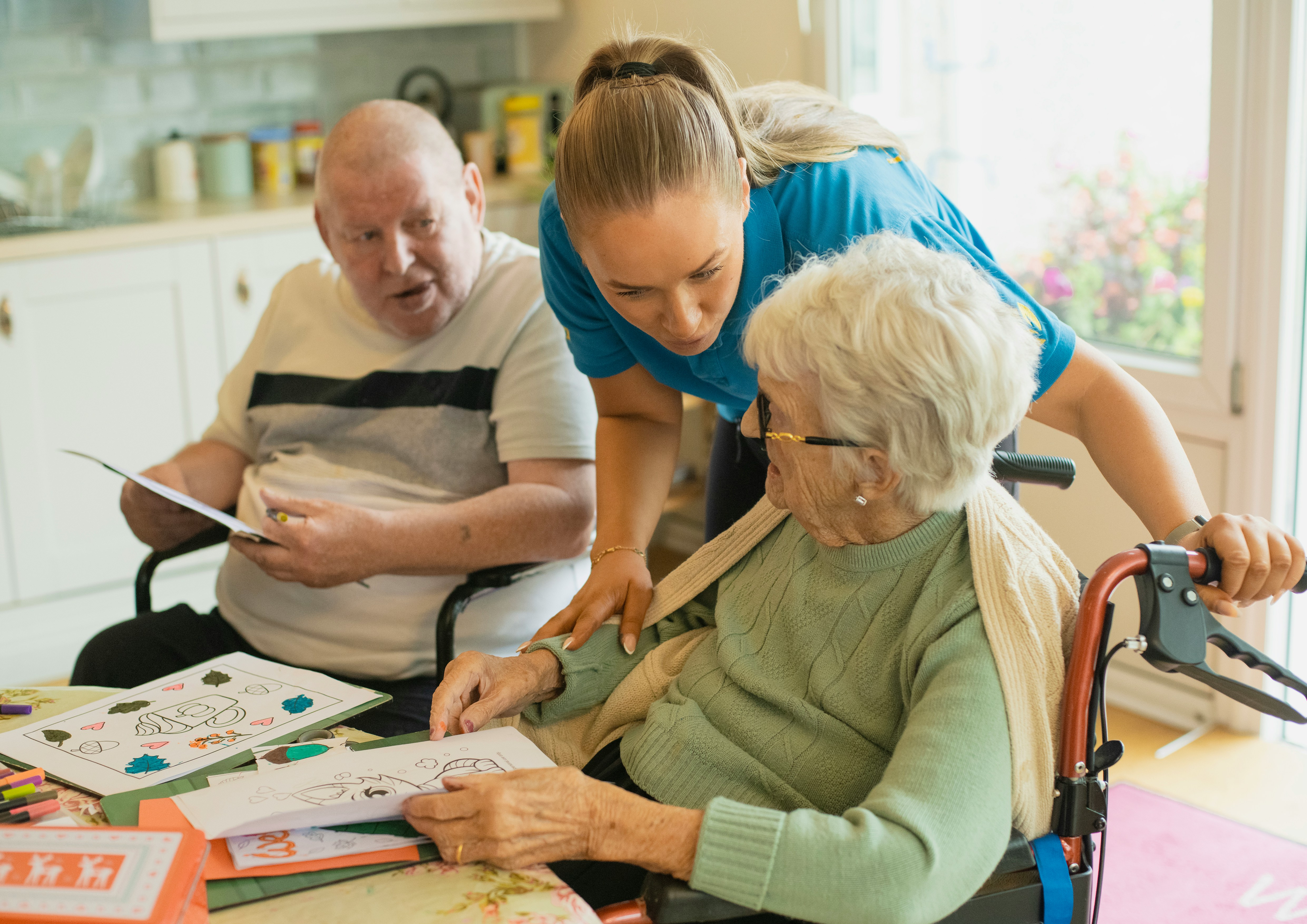
ADLs, such as bathing, dressing, eating, and mobility, are critical aspects of daily life that individuals may struggle with due to disability or medical conditions. CDPAP caregivers help ensure these routines are managed safely and comfortably, enabling recipients to maintain their independence and quality of life.
Skilled Nursing for Complex Medical Needs
For those with advanced medical requirements, skilled nursing services provided through CDPAP are essential. Caregivers who have received appropriate training can assist with tasks like medication management, wound care, monitoring vital signs, and other specialized medical responsibilities. This skilled support helps prevent hospitalizations and promotes faster recovery.
Customizing Care Plans Based on Patient Conditions
Each CDPAP participant benefits from a personalized care plan that reflects their unique health status and preferences. By working closely with healthcare providers and caregivers, the program ensures that nursing and personal care services align perfectly with the individual’s recovery goals and daily needs.
Benefits of Receiving Skilled Nursing at Home
Receiving skilled nursing care at home offers numerous advantages, including increased comfort, the ability to maintain social and family connections, and a familiar environment that supports emotional well-being. Furthermore, it reduces the risk of hospital-acquired infections and unnecessary institutionalization, promoting overall better health outcomes.
Administrative Innovations: The Role of Public Partnership LLC in Supporting Personalized Care

What Functions Does Public Partnership LLC Serve as a Fiscal Intermediary?
Public Partnership LLC (PPL) acts as the mandatory statewide Fiscal Intermediary for the Consumer Directed Personal Assistance Program (CDPAP) in New York. Its primary role is to manage the administrative backend that allows Medicaid recipients to hire their own caregivers. PPL handles essential functions such as payroll processing, wage management, and maintaining thorough employment records for personal assistants.
How Does PPL Manage Payroll and Wage Processing?
By processing payroll and wages for caregivers, PPL ensures timely and accurate compensation for services rendered. This relieves both the caregiving recipients and their chosen assistants from bearing complex bureaucratic tasks related to salary disbursement. PPL performs regular wage calculations and disburses payments according to established Medicaid guidelines.
In What Way Does PPL Maintain Employment Records for Caregivers?
PPL also maintains comprehensive employment records, documenting hours worked, wage history, and relevant details to comply with state and Medicaid regulations. This centralized record-keeping supports transparency and accountability, and safeguards caregivers’ employment rights.
How Does PPL Streamline Administrative Burdens for Recipients?
By managing the fiscal and record-keeping duties, PPL reduces the administrative complexities recipients might otherwise face. This allows recipients and their representatives to focus on selecting, training, and supervising caregivers without being overwhelmed by payroll logistics or paperwork.
How Is PPL Integrated with Medicaid and CDPAP Services?
PPL’s systems are closely integrated with Medicaid and CDPAP frameworks to ensure smooth service delivery and coordination. This integration facilitates efficient processing of eligibility, care plans, and financial transactions, providing a seamless experience for clients utilizing home-care services.
| Aspect | Role of Public Partnership LLC | Impact on CDPAP Participants |
|---|---|---|
| Fiscal Intermediary | Manages administrative functions for CDPAP caregivers | Reduces recipients’ workload, ensures compliance |
| Payroll & Wages | Calculates and disburses caregiver payments | Guarantees timely and accurate caregiver compensation |
| Employment Records | Maintains detailed caregiver employment documentation | Supports transparency and caregiver rights |
| Administrative Support | Provides back-end support to recipients and caregivers | Simplifies the home-care management process |
| Integration with Medicaid | Coordinates financial and eligibility data seamlessly | Ensures smooth operation of CDPAP within Medicaid framework |
Enhancing Independence and Quality of Life Through Skilled Nursing Innovations

How does CDPAP promote client autonomy and independence in home recovery?
CDPAP empowers Medicaid recipients to take control of their own care by allowing them to hire and manage their own caregivers. This personalized approach lets individuals select family members, friends, or trusted people as personal assistants, fostering a sense of independence and comfort during recovery.
In what ways does tailored care foster better health outcomes?
Tailored care meets the unique medical and personal needs of each individual. With caregivers trained to provide personal care, assistance with daily activities, and skilled nursing when needed, recipients experience support customized to their lifestyle and health condition, improving overall well-being.
How does the program support the elderly and disabled living in private residences?
Designed for people who need home care due to disability or chronic conditions, CDPAP helps them remain in familiar and comfortable settings. By facilitating care within private homes, it enhances convenience and emotional support, often leading to better health and mental outlook.
What state resources and training are available for consumers and caregivers?
The New York State Department of Health offers comprehensive resources and training materials to assist both consumers and caregivers involved in CDPAP. Agencies like Five Star Home Health Care guide clients through enrollment, while Public Partnership LLC manages payroll and administrative duties, ensuring smooth program participation.
What impact do consumer-directed programs have on recovery experiences?
Consumer-directed programs like CDPAP improve recovery by giving recipients control over their caregiving relationships and schedules. This flexibility and personal connection often lead to higher satisfaction, more consistent care, and enhanced quality of life during recovery at home.
| Aspect | Description | Benefit |
|---|---|---|
| Client Autonomy | Hiring and managing own caregivers | Greater independence and comfort |
| Tailored Care | Customized assistance with ADLs and skilled nursing | Better health outcomes and personalized care |
| Home-Based Support | Care within private residences | Enhanced emotional support and convenience |
| State Resources & Training | Guidance from Department of Health and partner agencies | Informed and prepared consumers and caregivers |
| Consumer-Directed Impact | Control over caregiving and routines | Improved satisfaction and recovery experience |
Looking Ahead: The Future of Skilled Nursing at Home
The transformation of skilled nursing through consumer-directed programs like CDPAP is empowering individuals to take control of their recovery journey. By enabling personalized care, supported by trained caregivers chosen by the recipients themselves, these innovations foster independence and improve health outcomes. As administrative and training support evolves alongside Medicaid initiatives, the future promises greater access to tailored, high-quality skilled nursing at home, redefining recovery and elevating the standard of in-home care services.