
When a loved one is discharged from the hospital, the relief is real. But so is the uncertainty. The paperwork moves fast, the instructions are dense, and families are left asking the same question: what kind of help does my loved one actually need at home? Getting this answer right matters more than most people realize, especially in a city like New York, where options for in-home nursing care range from basic personal support to full post-hospital home nursing. At HumanCare, we help families answer that question clearly and quickly so the transition home does not become a setback.
Why Discharge Home Is Where Families Misjudge Care Level
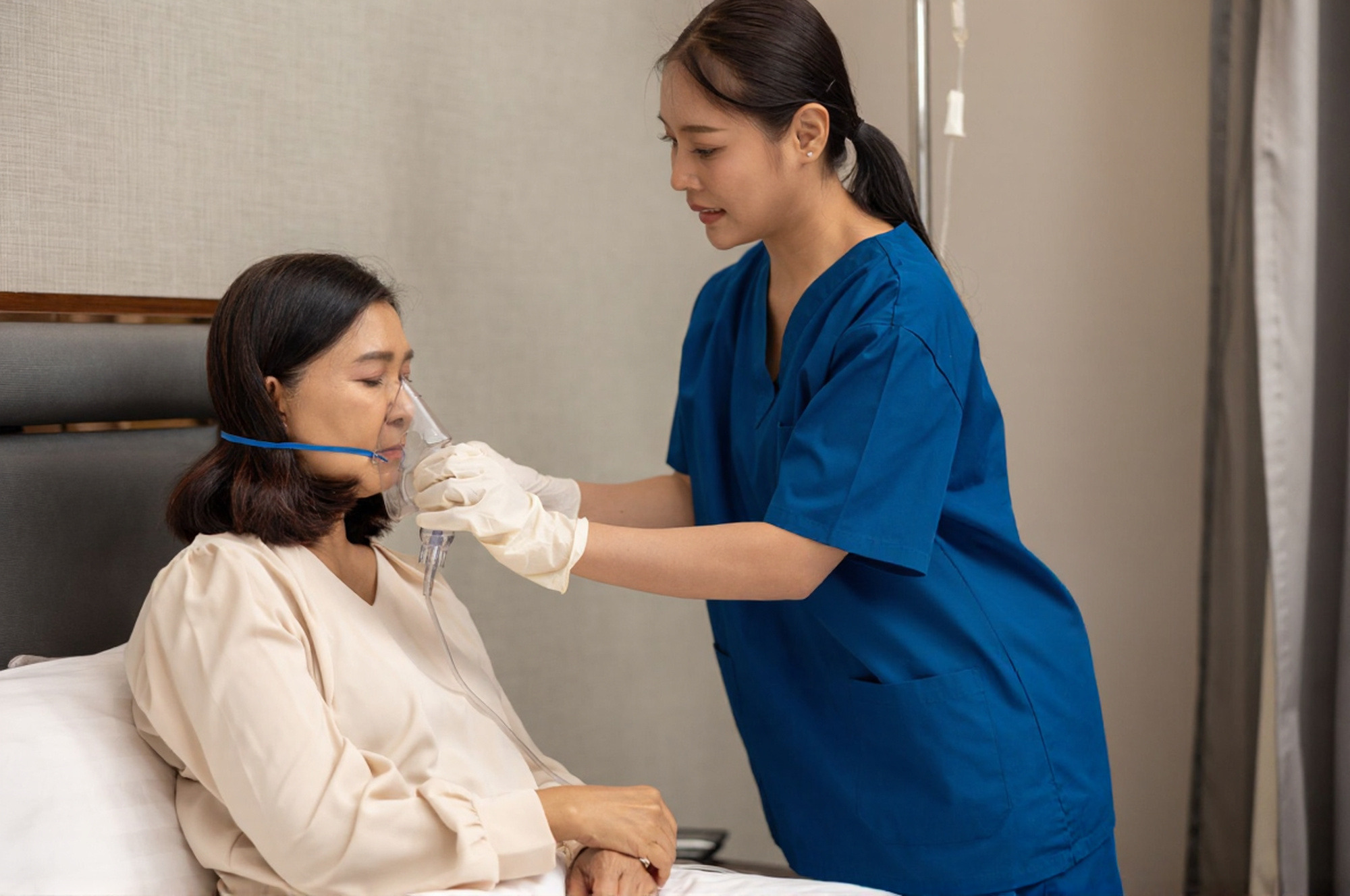
Hospital discharge happens faster than most families expect. In many cases, a patient may look stable enough to go home, but the ongoing care demands tell a different story. Families often underestimate the clinical complexity that follows surgery, a cardiac event, or a serious infection. Without a clear understanding of what skilled nursing at home in New York actually involves compared to standard home care, they may choose a level of support that falls short.
The result is preventable. Missed wound care, medication errors, or unmonitored symptoms can lead to hospital readmission within days. These are not failures of effort or love. They are failures of information at the moment when the right guidance matters most.
>>> Read more: https://www.humancareny.com/blog/how-skilled-nursing-bridges-the-gap-between-hospital-and-home
Problems Standard Non-Medical Care May Not Solve Well
Non-medical home care can be valuable, but it has clear limits. When recovery involves clinical tasks, a companion or home health aide may not be trained or authorized to manage the demands of the situation.
Wound Care and Dressing Changes
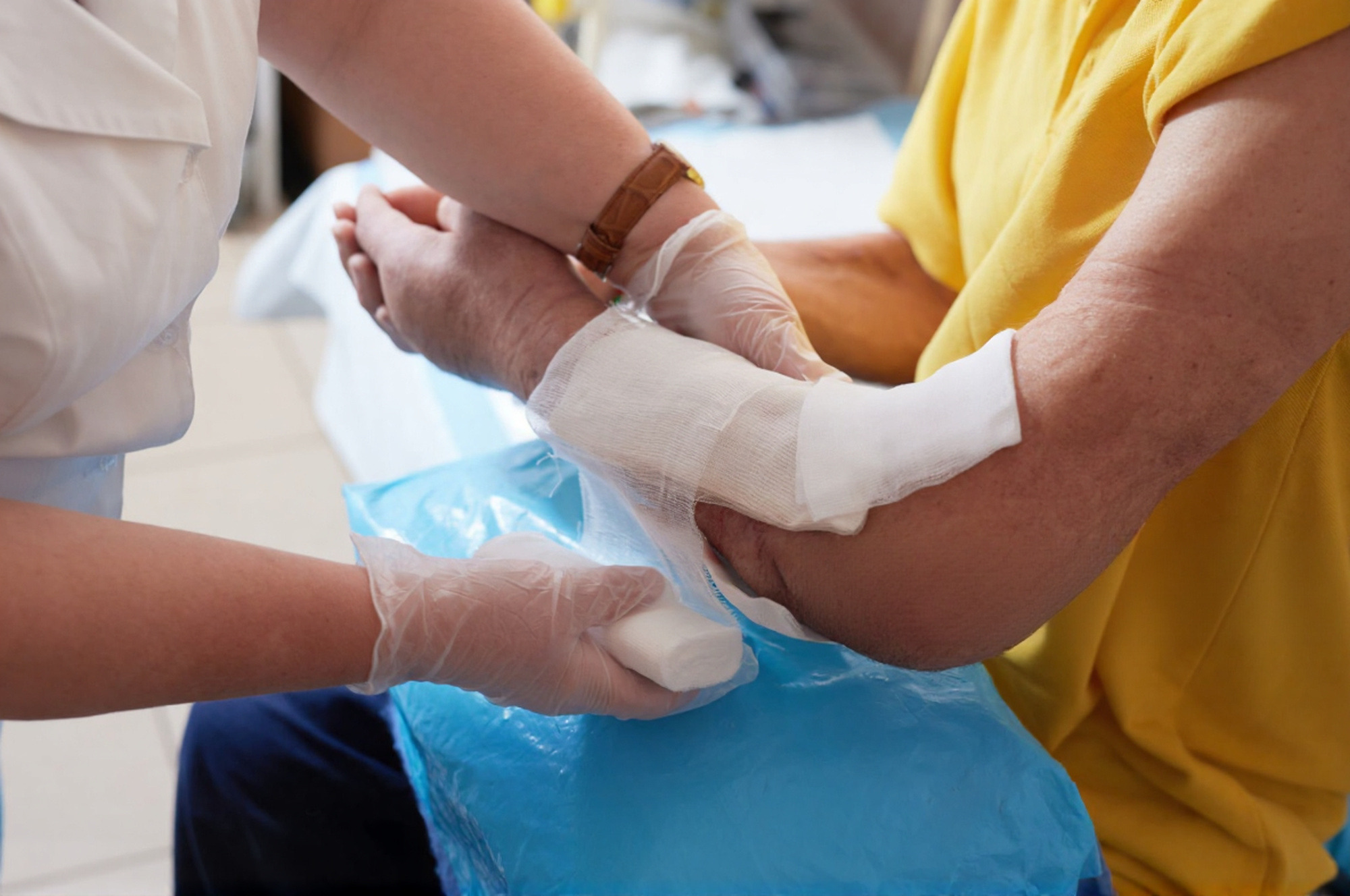
Post-surgical wounds, pressure injuries, or drain sites often require sterile technique, wound assessments, and documentation of healing progress. These are clinical responsibilities that fall under skilled nursing after discharge. A home aide can keep the surrounding area clean, but cannot evaluate tissue condition or adjust dressing protocols based on what the wound looks like day to day.
Medication Complexity or Symptom Changes
After a hospital stay, medication lists often grow longer and more complicated. Some patients go home on blood thinners, insulin, or IV antibiotics that need precise dosing and monitoring. A non-medical caregiver can offer reminders, but they cannot:
- Assess how a patient is responding to a new drug
- Recognize early signs of adverse reactions
- Adjust timing or dosing based on observed symptoms
- Coordinate with the prescribing physician when something changes
These are tasks that require a licensed nurse with clinical training in post-hospital home nursing.
>>> Read more: https://www.healthline.com/health/heart-disease/blood-thinners
Recovery Not Going Smoothly
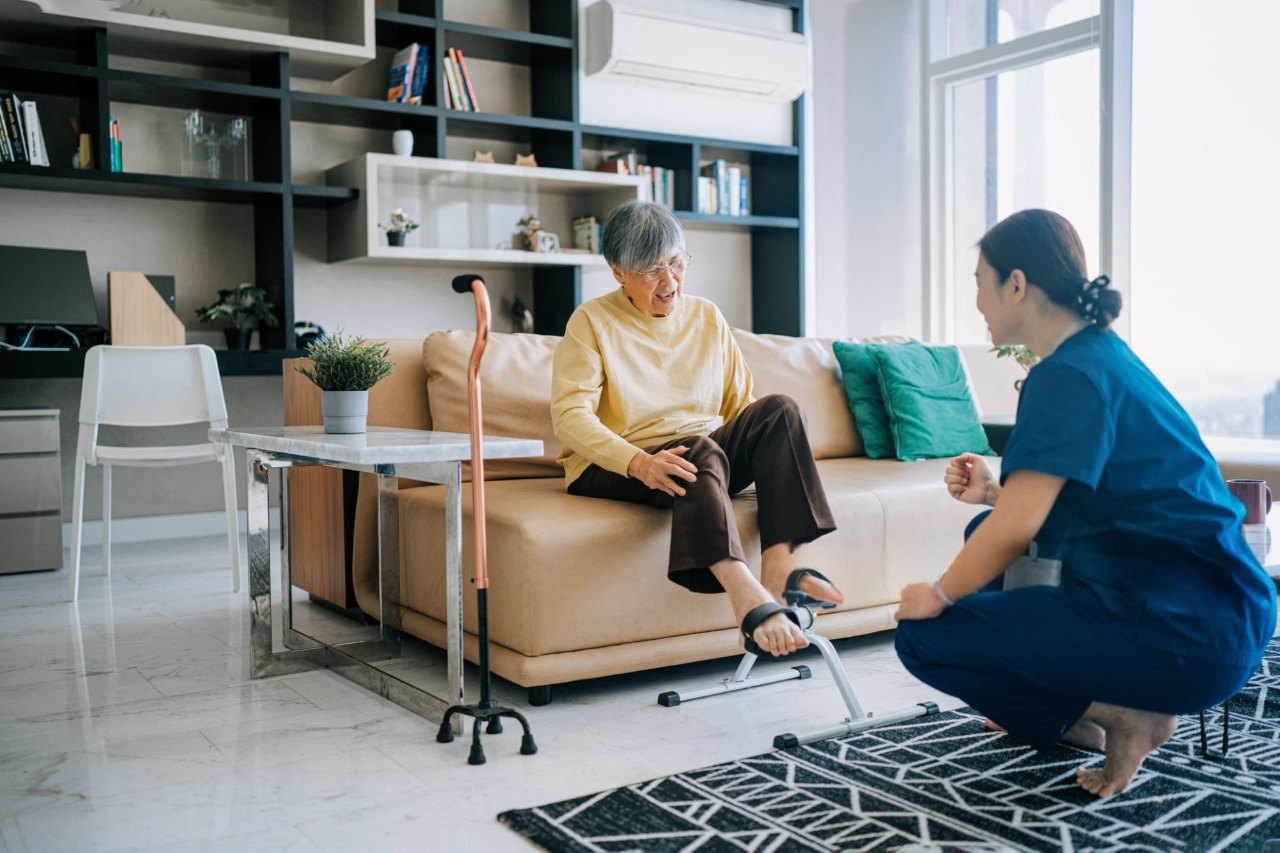
Sometimes recovery stalls or takes an unexpected turn. A patient may develop new pain, swelling, confusion, or fatigue that was not present at discharge. Non-medical caregivers may notice these changes but are not equipped to interpret them clinically. Skilled nursing at home in New York means having a professional who can assess new symptoms, contact the medical team, and make informed decisions about whether intervention is needed before a crisis develops.
Ongoing Medical Equipment or Higher-Risk Conditions
Patients who come home with a catheter, feeding tube, oxygen therapy, or a central line need hands-on clinical management. The same applies to individuals managing conditions like congestive heart failure, COPD, or diabetes with frequent instability. These scenarios call for in-home nursing care in New York that goes well beyond what a personal care aide is trained to provide.
Situations Where Personal Care May Still Be Enough
Not every discharge requires a nurse at the bedside. In many cases, a lower level of care is the right match, and choosing it wisely can reduce unnecessary costs while still keeping your loved one safe.
Help with Bathing, Dressing, Mobility, Routines
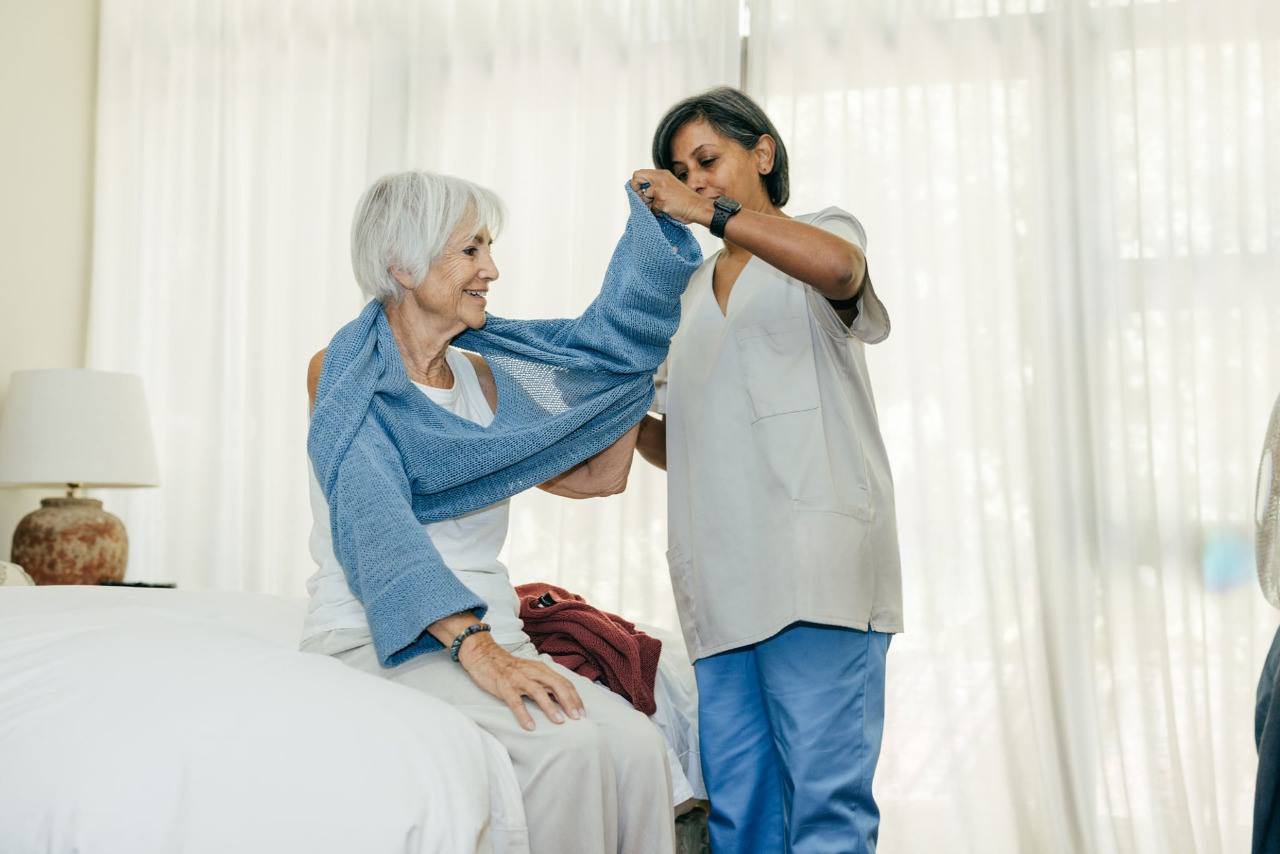
If your loved one is medically stable but physically weakened, personal care may be all that is needed. This includes:
- Assistance getting in and out of bed or a chair
- Support with bathing, grooming, and dressing
- Light meal preparation and hydration reminders
- Accompaniment during short walks to rebuild strength
These are meaningful services that help maintain dignity and daily structure during recovery.
When Supervision Matters More Than Clinical Intervention
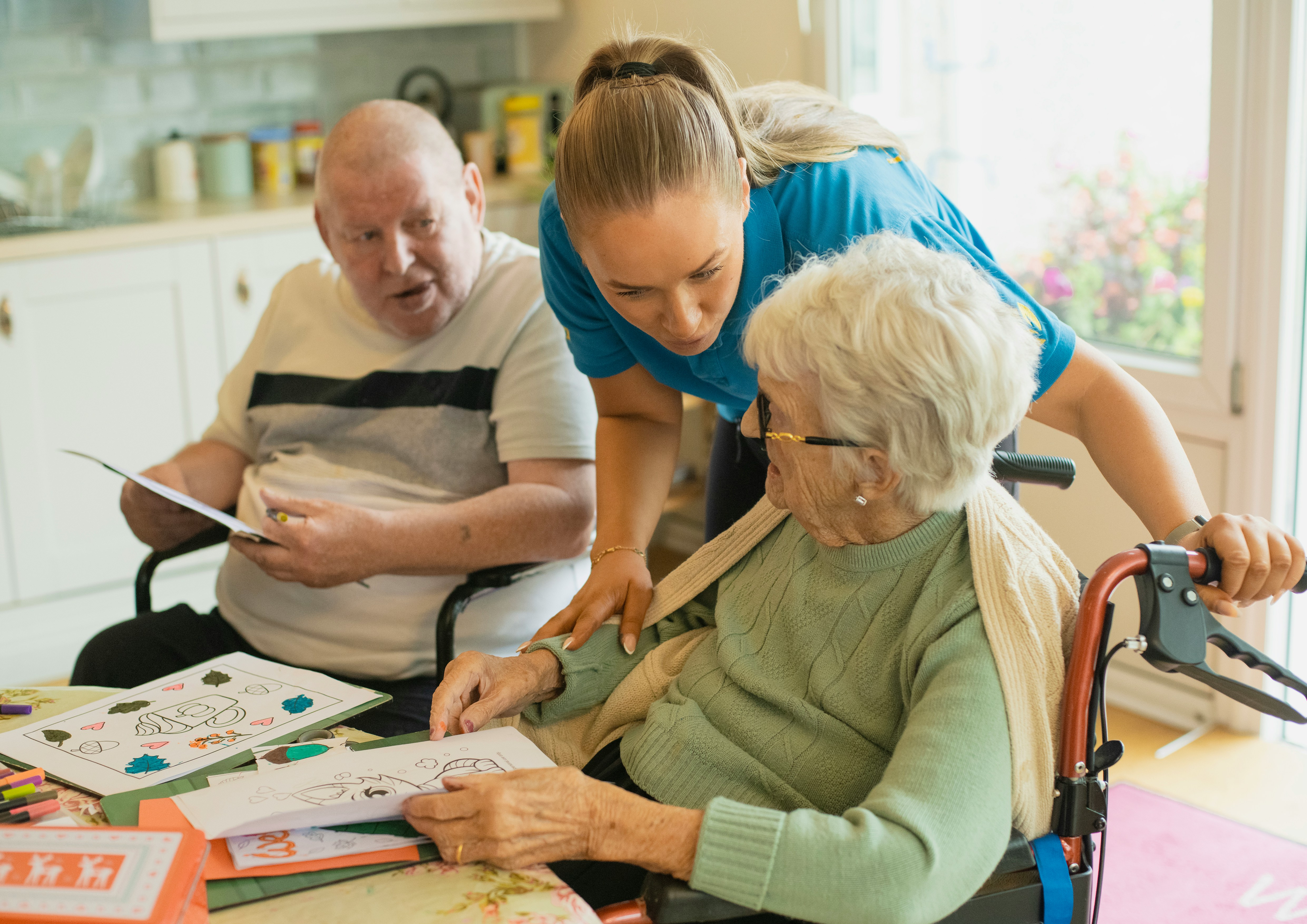
For patients with mild cognitive decline or general frailty after a hospital stay, the primary concern may be safety rather than medical management. A trained personal care aide can reduce the risk of falls, provide companionship, and make sure daily routines stay on track without the cost or clinical intensity of skilled nursing.
When to Ask About Private Duty Nursing
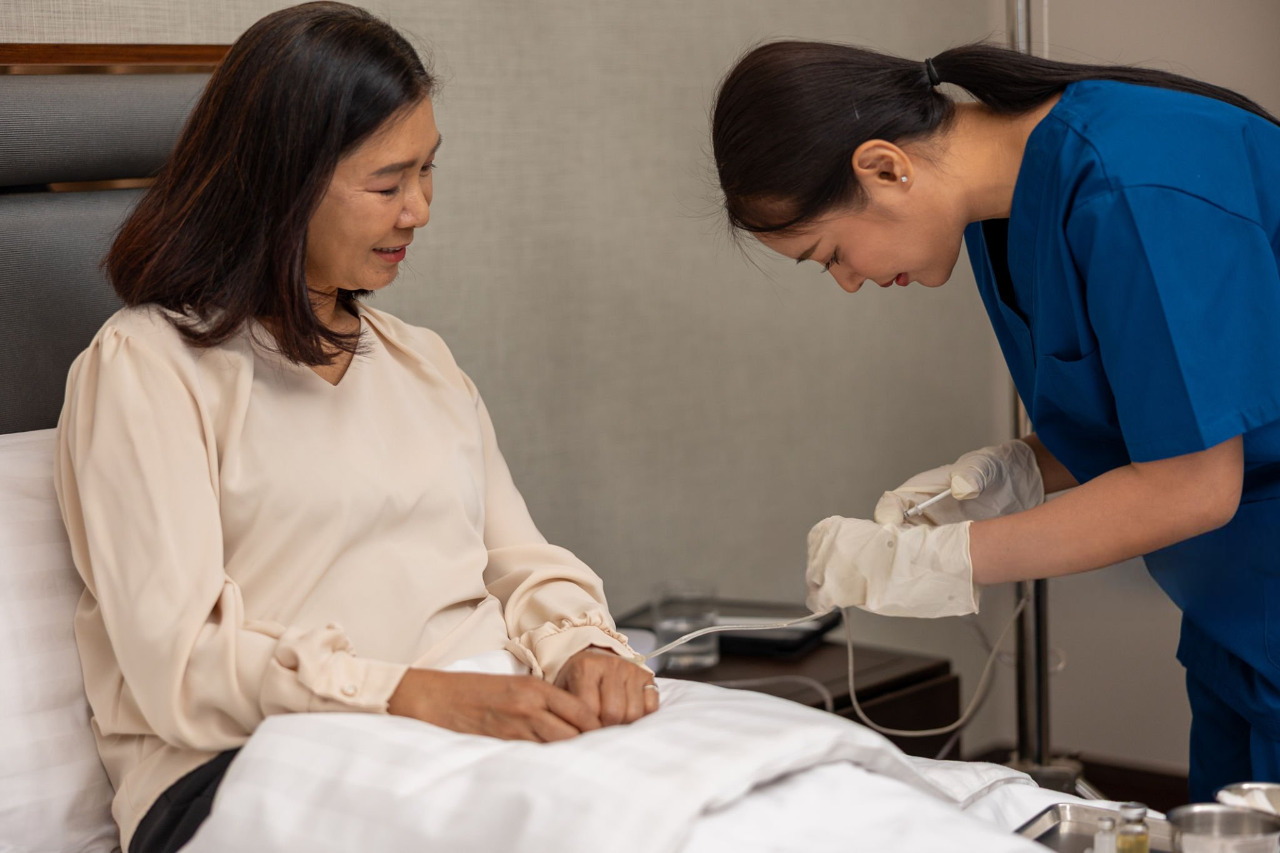
Private duty nursing in New York fills a gap that standard home health visits often cannot. If your loved one needs a nurse for extended hours or overnight, or if the care needs are too complex to manage in short visit windows, private duty nursing may be the better path. This model is especially relevant for patients recovering from major surgery, those on ventilator support, or individuals with conditions that require continuous observation. Unlike episodic home health visits, private duty nursing offers sustained clinical presence in the home.
What to Ask Before Deciding
Before choosing a care level, families should sit down with the discharge team and get specific answers to three categories of questions.
Must-Happen Care Tasks
Ask what clinical tasks need to be performed daily or weekly. If the list includes wound care, injections, IV medications, or equipment management, skilled nursing after discharge is likely the right starting point. Write these tasks down and confirm whether a licensed nurse is required for each one.
Escalation Triggers
Ask the medical team what warning signs should prompt a call to the doctor or a trip to the emergency room. Knowing these triggers in advance gives both families and caregivers a clear framework for action rather than guesswork.
Who Monitors Progress at Home
Find out who is responsible for tracking recovery milestones. If the answer is "the family," that is a signal to consider professional support. A skilled nurse can document progress, communicate with physicians, and make clinical adjustments that family members are not trained to handle alone.
>>> Read more: https://nevadastate.edu/son/rn-bsn/the-role-of-the-home-care-nurse/
How to Move Quickly Without Guessing Wrong
The window between discharge and the start of home care is small, and delays create risk. Families do not need to have every answer before reaching out. What they need is a partner who can evaluate the situation, recommend the right level of care, and begin services without unnecessary lag. HumanCare works with families across New York to assess post-discharge needs and match patients with the right type of support from the first day home.
Get the Right Care in Place Before It Becomes Urgent
If your loved one is coming home from the hospital and you are unsure whether they need medical assistance and skilled nursing or a different level of support, do not wait to find out the hard way. HumanCare provides private duty nursing and clinical home care across New York, built around your family's real situation.
Request a Care Assessment to get a clear recommendation based on your loved one's discharge plan, or contact HumanCare directly to speak with our team about what kind of in-home nursing care in New York fits your situation today.
.jpg)