The Growing Importance of Skilled Nursing at Home
As the population ages, more seniors prefer to recover from surgery, illness, or manage chronic conditions right in the comfort and familiarity of their own homes. Skilled nursing care has emerged as a vital service that enables them to do just that, offering advanced medical, personal, and rehabilitative support tailored to individual needs. This article explores how skilled nursing care delivered in-home plays a critical role in promoting recovery, enhancing quality of life, and reducing hospital readmissions for seniors.
Comprehensive Medical Support Delivered Around the Clock

24-hour access to medical professionals
Skilled nursing facilities and in-home skilled nursing services offer continuous medical supervision. Seniors have round-the-clock access to physicians, registered nurses, and licensed practical nurses. This ensures immediate attention to health needs and timely interventions whenever necessary.
Medication management and monitoring
Skilled nurses expertly handle medication administration. They monitor drug interactions, observe side effects, and ensure medications are given correctly and on schedule. This careful management reduces medication errors and supports chronic condition stability.
Emergency response capabilities
Staff in skilled nursing care are trained to respond promptly to emergencies such as sudden chest pain or breathing difficulties. They can provide acute symptom management, administer oxygen therapy or pain relief, and quickly summon ambulance or hospital support when required.
Coordination among healthcare providers
Skilled nursing care emphasizes multidisciplinary collaboration. Nurses and care navigators serve as central coordinators, ensuring seamless communication between specialists, therapists, physicians, and family members. This integrated approach helps tailor care plans and monitor progress effectively.
Vital sign monitoring and symptom management
Continuous monitoring of vital signs—including blood pressure, heart rate, and oxygen levels—enables early detection of health changes. Nurses assess symptoms like fatigue, dizziness, or nausea and manage them appropriately to prevent complications.
This comprehensive support system improves seniors' safety, health outcomes, and quality of life, whether provided in specialized facilities or within their own homes.
Personalized Care for Daily Living and Health Needs
Assistance with Bathing, Dressing, Grooming
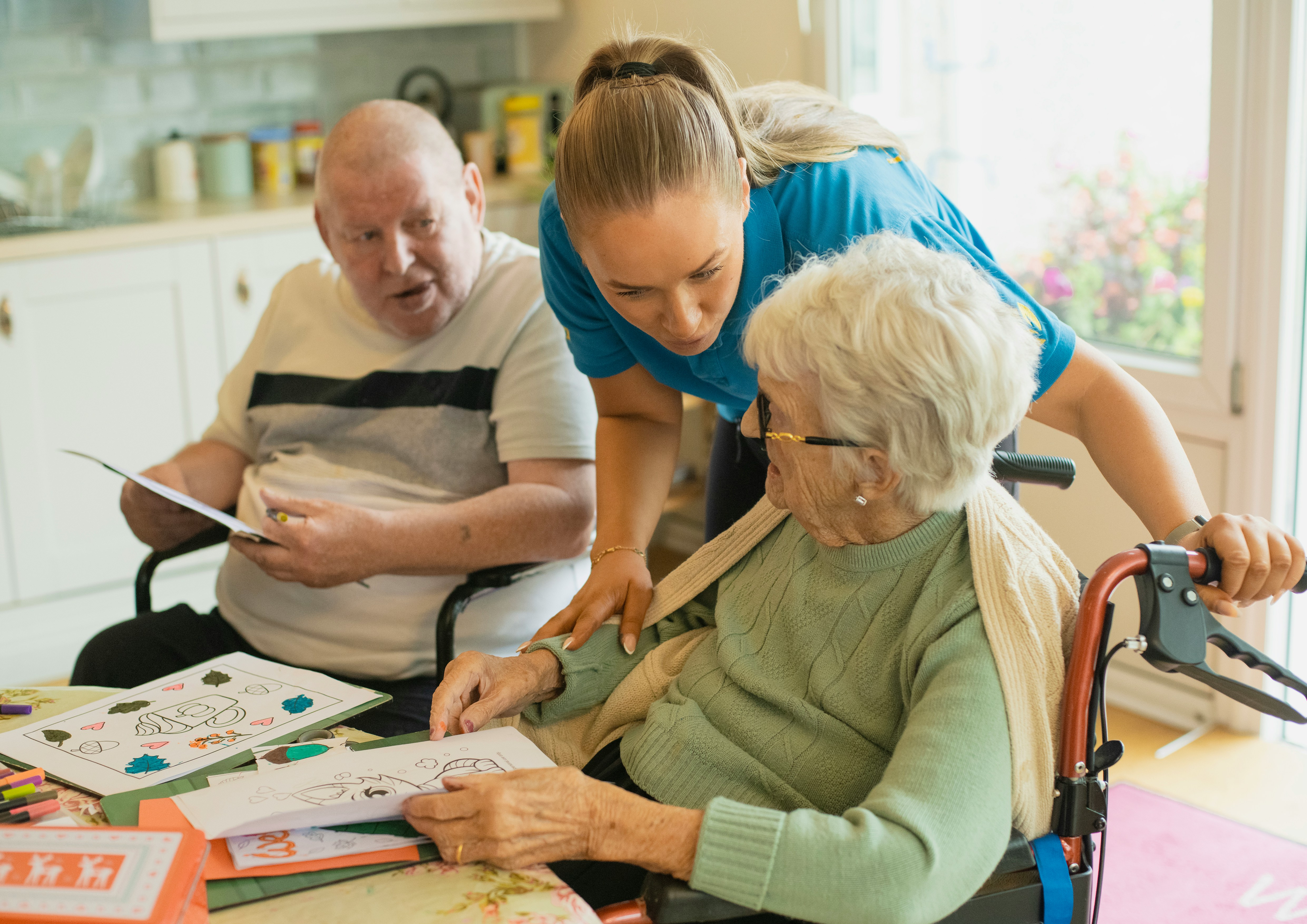
Professional caregivers in skilled nursing environments provide crucial support for daily activities that many seniors find challenging. This includes help with bathing, dressing, and grooming, ensuring residents maintain their personal hygiene and dignity. By assisting with these tasks, caregivers improve overall quality of life and help residents feel comfortable and confident.
Wound Care and Infection Monitoring
Skilled nurses deliver specialized wound care, which involves assessing, cleaning, dressing, and monitoring wounds for signs of infection. This care is particularly important for post-surgical patients or those with chronic wounds. Continuous monitoring helps prevent complications and promotes faster healing.
Specialist Care for Cardiac and Post-Surgical Needs
In addition to routine nursing, specialized care is provided for seniors with cardiac conditions or those recovering from surgery. These services include medication management, vital sign monitoring, and symptom assessment such as chest pain or shortness of breath, overseen by specialized physicians and trained nurses.
Memory Care Considerations for Dementia
For residents with dementia, skilled nursing facilities offer memory care programs tailored to cognitive health. Staff ratios ensure adequate supervision and caregiving, while activities are designed to support mental function and promote engagement, reducing anxiety and disorientation.
Safety Assessments and Home Modifications
Safety is a cornerstone of skilled nursing care, with thorough assessments identifying risks and recommending modifications. Common adjustments include installing ramps, handrails, emergency alarms, and secured entrances to prevent falls and wandering. These steps create a safer environment that supports seniors’ independence and well-being.
Rehabilitation Therapies to Promote Independence
What types of rehabilitation therapies are available at home?
Home-based rehabilitation therapies for seniors commonly include physical, occupational, and speech therapy. These therapies support recovery and help regain independence after hospitalization, injury, or illness. Skilled nurses and therapists develop personalized exercise and lifestyle modification plans tailored to each individual's needs and goals.
How do personalized exercise and lifestyle plans help seniors?
Personalized plans focus on improving strength, balance, and mobility to reduce fall risk and increase daily functioning. Therapists assess the senior's capabilities and design exercises that are safe and effective, promoting gradual progress. Lifestyle modifications might include safe movement techniques and adaptations to the home environment to facilitate independence.
In what ways do these therapies support recovery after hospitalization or injury?
Rehabilitation therapies aid in restoring physical function, managing pain, and preventing complications. Physical therapy can rebuild muscle strength and coordination, occupational therapy assists with daily tasks such as dressing and bathing, and speech therapy addresses communication or swallowing difficulties. This comprehensive approach accelerates recovery and reduces the likelihood of rehospitalization.
Is nutrition part of rehabilitation therapy?
Yes, therapy-focused diets and nutrition guidance are integral to rehabilitation. Certified dietitians often collaborate with therapists to ensure tailored meal plans that support healing and strength. Residents receive balanced nutrition designed to meet their health conditions and recovery goals, with caregivers assisting during mealtimes.
Through these combined efforts, rehabilitation therapies provided at home enable seniors to regain autonomy, enhance their quality of life, and maintain their comfort in a familiar environment.
Supporting Seniors’ Emotional and Social Well-being

Facilitating Socialization and Community Participation
Skilled nursing care emphasizes creating accessible environments that promote social engagement for seniors. These opportunities to interact with peers and participate in group activities help enhance emotional well-being and mental health. Residents often find companionship through organized events, common areas, and gentle encouragement from caregivers and nurses.
Combating Isolation and Loneliness
Isolation and loneliness are common challenges among older adults. Skilled nursing care actively addresses these by ensuring regular interaction with professional caregivers and fellow residents. This consistent social contact is essential to reduce feelings of loneliness, which can negatively impact overall health.
Role of Nurses and Caregivers in Emotional Support
Nurses and caregivers provide more than just physical assistance; they play a crucial role in offering emotional support. Their continuous presence allows them to recognize signs of distress or cognitive decline early, allowing for timely interventions. Through empathetic communication and attentive care, they build trusting relationships that foster seniors' confidence and comfort.
Tailored Activities for Cognitive Health
For residents with cognitive challenges such as dementia, skilled nursing programs offer specialized memory care. Activities are customized to stimulate cognitive function and maintain engagement, like memory games, sensory activities, and structured routines. Staff ratios are maintained to ensure each individual's needs receive proper attention, promoting both safety and mental stimulation.
These elements together create a nurturing environment where seniors can thrive emotionally and socially, contributing to an improved quality of life.
Reducing Hospital Readmissions and Promoting Safety
Early Detection of Health Issues
Skilled nursing care plays a vital role in monitoring seniors' vital signs, such as blood pressure, heart rate, and oxygen saturation. Licensed nurses can promptly identify concerning changes, enabling quick intervention before complications develop. This early detection decreases the likelihood that health problems escalate into emergencies requiring hospitalization.
Reducing Emergency Hospital Visits
Continuous access to 24-hour nursing staff ensures immediate response to emergent symptoms like chest pain, shortness of breath, or dizziness. Nurses are trained to manage such symptoms onsite when possible or coordinate emergency transport if needed. This close supervision significantly minimizes unnecessary hospital admissions by stabilizing conditions early.
Managing Chronic Conditions Effectively
Skilled nurses oversee medication management, including administration, monitoring for side effects, and managing drug interactions. They also provide wound care and support rehabilitation therapies tailored to individual needs. Such proactive management aids in controlling chronic illnesses like diabetes and cardiac conditions, reducing flare-ups that might otherwise require hospital care.
Implementing Safety Features to Prevent Falls and Accidents
Safety is prioritized through personalized assessments identifying necessary modifications. Facilities and homes often incorporate ramps, handrails, emergency alarms, and secured entrances to minimize the risk of falls and wandering. These measures promote a secure environment, protecting seniors from injuries that could lead to hospitalization.
| Aspect | Description | Benefit for Seniors and Families |
|---|---|---|
| Early Health Monitoring | Vital signs, symptom tracking by licensed nurses | Timely interventions lower emergency needs |
| Emergency Response | 24/7 nurse availability, emergency coordination | Reduced hospital visits and immediate care |
| Chronic Condition Oversight | Medication management, wound care, rehab therapies | Better disease control and recovery |
| Safety Enhancements | Structural adaptations, alarms, secure entrances | Fewer accidents and increased resident safety |
Relieving Family Caregiver Burden Through Skilled Nursing
How Does Skilled Nursing Alleviate Physical and Emotional Stress for Family Caregivers?
Family caregivers often face significant physical and emotional demands when caring for an older adult. Skilled nursing care provides professional support that eases these burdens by taking over complex medical tasks such as wound care, medication management, and monitoring vital signs. This relief allows family members to reduce their hands-on responsibilities, preventing burnout and improving their overall well-being.
In What Ways Does Skilled Nursing Provide Professional Education and Support?
Skilled nurses do more than administer care; they also offer education and guidance to family caregivers. They teach proper techniques for managing chronic conditions, medication schedules, and symptom monitoring. This empowerment builds caregivers' confidence and competence, helping them feel more equipped to support their loved one effectively.
How Does Skilled Nursing Facilitate Care Coordination and Communication with Families?
Nurses serve as central coordinators among multiple healthcare providers, ensuring that families are kept informed about the senior’s health status, treatment plans, and progress. Regular communication helps families stay engaged in decision-making and reduces anxiety about the quality of care their loved one is receiving.
What Kind of Reassurance and Peace of Mind Does Skilled Nursing Offer Families?
Knowing that skilled professionals are continuously monitoring health changes and can respond immediately to emergencies gives families peace of mind. This assurance removes much of the worry and stress associated with caregiving, particularly when managing complex health needs or post-hospital recovery at home.
| Aspect | Benefit to Family Caregivers | Description |
|---|---|---|
| Physical and Emotional Relief | Reduces overload and burnout | Nurses handle demanding medical tasks, easing caregiver strain |
| Education and Support | Increases caregiver knowledge and confidence | Teaching condition management and care techniques |
| Communication and Coordination | Keeps families informed and involved | Continuous updates and integration with healthcare team |
| Reassurance and Peace of Mind | Reduces anxiety and promotes trust | 24/7 monitoring and emergency response capabilities |
Navigating Access and Financial Considerations
Arranging Skilled Nursing Care with Doctor’s Referral
To begin receiving skilled nursing care at home, a physician's referral is essential. The doctor evaluates the senior's health needs and prescribes a tailored care plan. This referral also ensures that the care aligns with medical requirements and often serves as a prerequisite for insurance coverage. Additionally, verifying that the home health agency is licensed and compliant with community guidelines is necessary.
Understanding Medicare and Medicaid Coverage for Home Health
Medicare typically covers home health care services on a short-term basis, with specific eligibility criteria. It often includes skilled nursing and rehabilitation therapies but may have limits on the duration and scope. Medicaid coverage varies by state and may provide broader support. Families should consult local regulations to determine what services qualify for reimbursement.
Costs Associated with Home Skilled Nursing Care
Home skilled nursing care is usually charged by the hour. While Medicare may cover certain services under prescribed conditions, many costs fall to the recipient, especially for extended care or services outside physician orders. Medicaid might support some expenses based on individual eligibility. Understanding these costs in advance helps families plan financially.
Coordinating with Senior Living Communities and Agencies
Coordination between the home health agency and the senior living community is crucial, particularly if the senior resides in assisted living, memory care, or independent living settings. Communication ensures care plans are integrated, respects community rules, and supports the resident's overall wellbeing. This collaboration helps fill care gaps, especially where communities cannot provide certain medical treatments.
Navigating access and financial aspects of skilled nursing care involves careful planning, understanding insurance rules, and effective coordination between healthcare providers and living communities, ensuring seniors receive comprehensive and affordable care at home.
Skilled Nursing Care: A Pathway to Safer, More Comfortable Senior Recovery at Home
Skilled nursing care at home provides seniors with comprehensive medical care, personalized support, and rehabilitative therapies that together foster faster recovery and enhance quality of life. By delivering 24-hour professional care in a familiar environment, it reduces the risk of hospital readmission and infection, promotes emotional well-being, and eases the strain on family caregivers. With proper coordination and financial considerations addressed, skilled nursing care is a transformative option that empowers seniors to heal and thrive safely in the comfort of their own homes.
References
- 8 Life Enhancing Benefits of 24-Hour Skilled Nursing Care
- Services for Older Adults Living at Home
- Benefits of Home Health Care in Senior Living
- 7 Benefits of Skilled Nursing for Seniors
- Why Seniors Should Choose Skilled Care After ...
- 7 Benefits of Skilled Nursing Care
- How Skilled Nursing Helps Seniors Recover At Home After ...