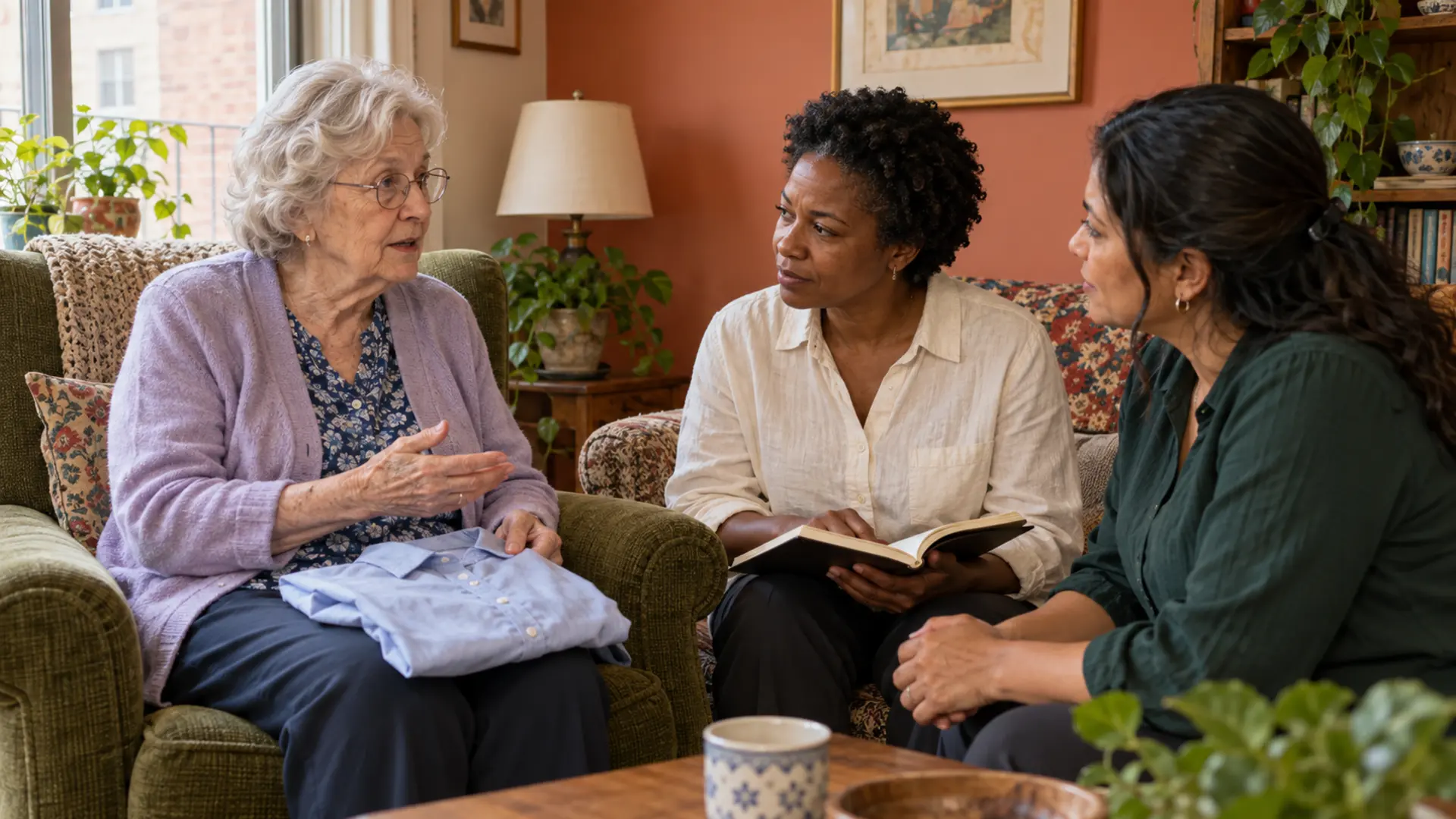
The Vital Role of Homemaking Services in Healing at Home
Recovering after hospitalization presents numerous challenges, especially for elderly patients and those managing chronic illnesses. Homemaking services delivered in the home environment provide essential support that goes beyond medical care, fostering independence and improving overall outcomes. This article explores how these services aid recovery, reduce hospital readmissions, and promote well-being through a combination of personalized care and practical assistance in daily living.
Personalized Care Plans: The Foundation of Effective Home Recovery
Systematic Medical Review After Hospital Discharge
Transitioning from hospital to home is a critical phase in a patient's recovery journey. A systematic medical review immediately after discharge evaluates the patient's current health status and care needs. This comprehensive assessment ensures that no medical detail is overlooked and that patients receive the right level of support to prevent complications.
Personalized Care Plans Addressing Medication, Wound Care, Mobility, Safety
Creating personalized care plans is essential to meet each patient's unique needs during recovery. These plans specifically target medication management, ensuring patients understand their prescriptions and avoid errors. Wound care protocols are implemented to promote healing and prevent infections. Mobility support addresses physical limitations, often incorporating rehabilitation services such as physical or occupational therapy. Safety evaluations help reduce the risk of falls or accidents within the home environment.
Tailored Assessments and Family Education to Promote Healing and Independence
Assessments tailored to individual circumstances identify the specific barriers to recovery and independence. Involving family members through education enhances the ability to provide supportive care, making caregivers active participants in the healing process. Educated families can assist with medication management, monitor wound progress, and recognize early signs of complications, thereby contributing to fewer hospital readmissions.
Together, these personalized approaches form a solid foundation for effective recovery at home, helping patients regain independence and maintain their well-being.
Integrating Homemaking with Skilled Medical Services
Skilled Nursing and Rehabilitation Services at Home
Home health care provides skilled nursing and rehabilitation services essential for patients recovering from surgery, stroke, or illness. These services include comprehensive medical care delivered by registered nurses who manage medications, wound care, and vital sign monitoring in the comfort of patients' homes.
In-Home Nursing Care After Surgery or Illness
Following hospital discharge, in-home nursing care supports continued recovery by addressing complex needs such as IV therapy and personalized medication management. This approach promotes healing and reduces risks associated with premature discharge.
Physical and Occupational Therapy to Support Recovery
Physical and occupational therapists work closely with patients in their home environments to improve mobility, strength, and daily functioning. This personalized therapy helps restore independence and accelerates recovery timelines.
Reducing Outpatient Visits and Hospital Readmission Risks
By delivering skilled medical and rehabilitative services at home, patients can avoid frequent outpatient visits. This continuity of care lowers the chance of complications that often lead to hospital readmissions, with evidence showing one in five Medicare patients readmitted within 30 days.
Integrating homemaking services with skilled clinical care ensures that elderly and chronically ill patients receive comprehensive support. This blend enhances not just medical outcomes but also overall well-being, fostering independence and reducing healthcare costs associated with emergency and hospital care.
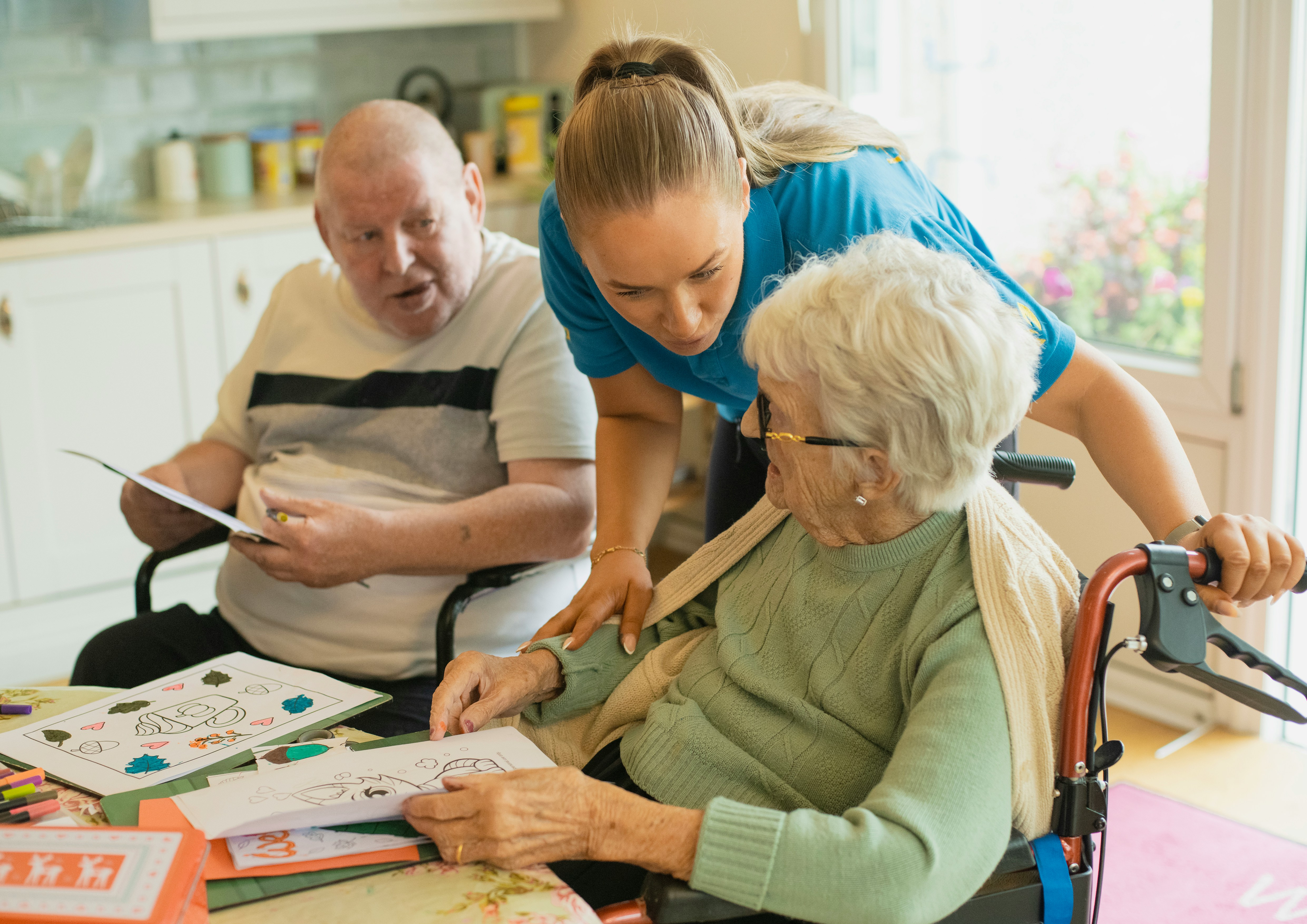
Supporting Activities of Daily Living to Foster Independence
Help with Personal Care such as Bathing and Dressing
Home health care provides essential assistance with personal care tasks like bathing, dressing, and grooming. These services help elderly patients maintain hygiene and dignity, which are crucial for their physical health and emotional well-being. Skilled caregivers often assist with these activities while respecting patient preferences to promote comfort and independence.
Meal Preparation and Nutritional Support
Proper nutrition plays a vital role in recovery and long-term health. Home health agencies offer meal preparation services tailored to individual dietary needs, ensuring that patients receive balanced meals. Nutritional guidance from dietitians is also available to help patients manage special diets related to conditions such as diabetes or heart disease.
Household Chores and Home Maintenance
Maintaining a clean and safe home environment is important for preventing complications and falls. Non-medical caregivers assist with household chores like cleaning, laundry, and basic home maintenance. This support eases the burden on elderly individuals, allowing them to focus on recovery and daily activities.
Companionship and Emotional Support
Loneliness and isolation can negatively impact recovery and mental health. Home health care includes companionship services, providing social interaction and emotional support. This helps to improve mood, reduce stress, and promote overall well-being.
Long-Term Well-Being through Non-Medical Caregiving
Non-medical caregivers play a vital role in supporting the elderly's ongoing independence. Their help with daily tasks such as meal preparation, personal care, and household management complements clinical services, creating a comprehensive support system that fosters sustained health and quality of life at home.
Medication Management and Safety in the Home Environment
Organizing and Monitoring Medications
Home health care plays a vital role in medication management by helping patients organize and monitor their medications effectively. Skilled nurses oversee medication schedules to ensure that doses are taken accurately and on time, which is especially important for elderly patients managing complex regimens.
Education to Reduce Errors and Adverse Interactions
Educating patients and caregivers about medications is another critical component. Home health providers teach about drug names, purposes, and potential side effects to minimize errors and prevent adverse drug interactions. This education empowers patients and families to recognize issues early and seek timely help.
Importance for Chronic Disease Management
For individuals with chronic diseases like heart failure, diabetes, COPD, or kidney disease, diligent medication management reduces the likelihood of complications that can lead to hospital readmissions. Consistent adherence to prescribed treatments helps maintain stability and overall health.
Crucial Role During Post-Discharge Recovery
Following hospital discharge, managing medications safely becomes even more crucial. Home health care ensures patients understand new prescriptions, handles wound care alongside medication needs, and monitors vital signs to detect complications early. These efforts support a smooth transition from hospital to home, reducing the risk of unplanned readmissions.
Remote Patient Monitoring and Technology's Role in Recovery
What is remote patient monitoring (RPM) and how does it aid recovery at home?
Remote patient monitoring (RPM) involves the real-time tracking of vital signs and symptoms using advanced technology. In home health care, RPM allows medical professionals to monitor patients' health remotely, enabling early detection of potential complications. This proactive approach supports timely interventions, reducing the likelihood of hospitalization and promoting smoother recovery, especially for elderly patients managing chronic illnesses.
How does telehealth enhance care coordination for patients at home?
Telehealth technology facilitates direct communication between patients, caregivers, and healthcare providers through video calls, messaging, and digital health platforms. This seamless coordination ensures that care plans are closely followed, questions are promptly addressed, and adjustments are made swiftly based on monitoring data. Telehealth bridges the gap created by distance, ensuring continuous support and personalized care.
In what ways does technology contribute to preventing hospital readmissions?
By combining RPM and telehealth, healthcare providers can detect early warning signs such as changes in blood pressure, oxygen levels, or mobility status. Immediate interventions can then be implemented, such as medication changes or therapy adjustments, often avoiding emergency room visits. The use of technology creates a safety net that lessens risks associated with post-discharge complications.
What technological tools are commonly used in home health care?
Emotional and Psychological Support for Patients and Caregivers
How does home health care support elderly patients with cognitive impairments like dementia?
Home health care provides specialized attention tailored to the unique needs of elderly patients with cognitive impairments such as dementia. It includes careful medication management and frequent safety assessments to reduce risks associated with hospitalizations. This compassionate approach ensures patients remain comfortable and secure at home, avoiding unnecessary emergency visits.
Why is emotional support important during patient recovery?
Emotional and psychological support plays a vital role in promoting overall well-being and recovery. Home care providers offer encouragement and companionship, helping patients cope with the challenges of recovery after surgery, stroke, or chronic illness. This nurturing environment reduces anxiety and improves motivation for rehabilitation.
How does home health care educate and support family caregivers?
Educating family caregivers is a critical component of home health care. Care plans include training on medication administration, mobility assistance, and wound care. In addition, caregivers receive guidance on managing stress and understanding the emotional demands of their role. This education empowers families to provide safer, more effective care.
What role do respite care and adult day services play in caregiver support?
To alleviate caregiver burden, home health programs offer respite care and adult day services. These options give family caregivers valuable breaks, reducing burnout and improving their ability to provide long-term support. Respite care can be in-home or at a facility, while adult day services provide social interaction and supervision for patients during the day.
Overall, the emotional and psychological aspects of home health care create a comprehensive support system that benefits both patients and their caregivers, fostering healing and independence in a familiar setting.
Nutrition and Meal Services as a Vital Recovery Component
Nutritional Guidance and Dietitian Access
Proper nutrition is essential for elderly patients recovering at home. Home health care agencies often provide access to dietitians who offer personalized nutritional guidance aimed at supporting the healing process. These professionals assess individual dietary needs to ensure adequate nutrient intake for optimal recovery.
Meal Planning and Hydration Advice
Alongside nutritional counseling, patients receive education on meal planning and hydration. This guidance helps maintain energy levels, supports immune function, and prevents complications such as dehydration or malnutrition, which can delay recovery.
Meal Delivery Programs such as Meals on Wheels
For patients with limited mobility or other barriers to cooking, programs like Meals on Wheels play a critical role. These services deliver nutritious, well-balanced meals directly to the patient’s home, ensuring consistent access to healthy food without the stress of meal preparation.
Impact on Healing and Energy Levels
Adequate nutrition and hydration directly influence wound healing, muscle strength, and overall energy, enhancing the patient’s ability to engage in therapy and daily activities. By integrating nutritional support into home health services, recovery is optimized, reducing the risk of complications and hospital readmission.
Safety, Mobility, and Environmental Adjustments at Home

How Are Home Safety Evaluations Conducted to Protect Elderly Patients?
Home health care professionals conduct comprehensive safety evaluations to identify and mitigate risks in the patient's living environment. These assessments focus on fall hazards, proper lighting, safe bathroom and kitchen setups, and the removal of obstacles. Tailored recommendations may include installing grab bars, securing loose rugs, and ensuring accessible pathways to reduce injury risks and promote independence.
What Assistance Is Provided to Support Mobility and Prevent Falls?
Assistance with mobility is a core component of home care services. Skilled nurses and therapists support patients in using mobility aids such as walkers or canes. Physical and occupational therapy at home help improve strength, balance, and coordination. This proactive support minimizes the chance of falls, a common cause of hospital readmissions among the elderly.
How Do Emergency Medical Alert Systems Enhance Patient Safety?
Emergency medical alert systems play a vital role in immediate response during falls or medical emergencies. Features include fall detection, GPS tracking, and one-touch access to medical assistance. Many systems are covered partly or wholly by Medicaid, private insurance, or long-term care plans, making them accessible. These devices increase patient confidence and timely intervention, reducing complications and hospital visits.
What Transportation Services Are Available for Medical Appointments?
Transportation support ensures elderly patients attend scheduled medical visits without undue stress. Options include community programs offering discounted or specialized vehicles, public transit, taxis, and ride-sharing services tailored for seniors. Reliable transport helps maintain continuous care, adherence to treatment plans, and prevents emergency hospital admissions due to missed appointments.
These safety and mobility supports form an integral part of personalized home care plans. They create a secure environment, promote autonomous living, and contribute significantly to reducing unplanned hospital readmissions.
The Growing Demand and Opportunities in Homemaking and Home Health Care

Why is there an increasing demand for in-home care?
The aging population is a major driver behind the rising need for in-home care services. As more elderly individuals prefer to recover or live independently at home, the demand for both medical and non-medical support grows significantly. This creates a crucial need for a wide range of home health care options tailored to support their unique needs.
What career opportunities exist in the home care sector?
The home care industry offers diverse career opportunities spanning from skilled nursing and rehabilitation therapists to in-home caregivers who assist with daily activities. Professionals such as registered nurses, physical therapists, and dietitians work alongside volunteer and paid aides. With the sector’s expansion, job prospects have grown steadily, making it an attractive field for those passionate about elder care and health services.
What types of services are available in home health care?
Home health care services range from volunteer-based programs providing free or low-cost personal care and companionship to professional agencies offering skilled nursing, wound care, medication management, and rehabilitation therapies. In addition, community resources deliver services such as meal programs, transportation, and emergency alert systems. This diversity allows families to customize care plans based on needs and resources.
How do financial aspects like Medicare coverage and hourly charges impact home care?
Home health care services usually involve hourly charges, especially for skilled medical care. Medicare provides limited coverage primarily for short-term, certified home health services following hospitalization. Non-medical care and some volunteer services may be free or involve nominal fees. Understanding these financial frameworks helps families plan sustainable care solutions while accessing essential support:
- Aging Population Drives: Growing need for in-home health and daily living supportElderly prefer home recovery and long-term care
- Career Opportunities: Jobs in nursing, therapy, caregiving, and support roles Increasing demand fuels job growth
- Service Diversity Range: From volunteer help to skilled professional agenciesIncludes medical care, meal delivery, transportation, emergency alerts
- Financial Considerations: Hourly charges with limited Medicare coverage for certified short-term services, non-medical care often voluntary or low-cost; planning important
Empowering Recovery and Independence with Homemaking Support
Home-based homemaking services play an indispensable role in supporting patients' recovery after hospitalization. By combining skilled medical care with practical assistance in daily activities, medication management, emotional support, and nutritional guidance, these services create a comprehensive framework that promotes healing and reduces complications. As the demand for in-home care accelerates with an aging population, embracing homemaking services ensures patients can regain independence and quality of life within the comfort and safety of their own homes.