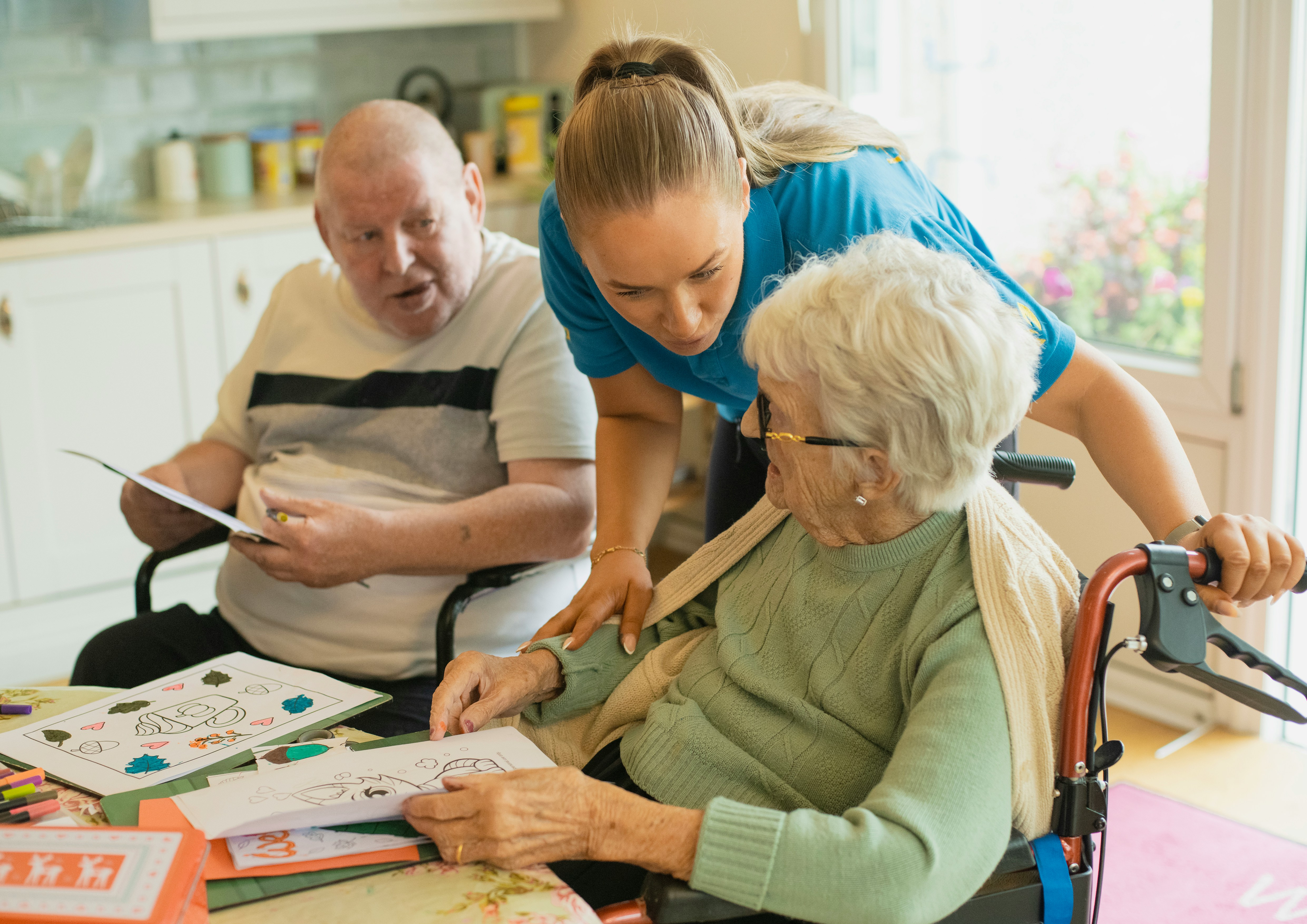
The Vital Role of Companion Care in Home Settings
Companion care has become an essential service in supporting the elderly and those requiring assistance to maintain independence and emotional well-being within their own homes. By addressing social, emotional, and practical needs, companion care promotes positive interactions that enrich seniors’ lives, helping to combat the risks of isolation and health decline often faced in aging. This article explores how companion care fosters meaningful engagement and quality of life in home care environments.
Understanding Companion Care: Bridging Practical Help and Emotional Support
What is Companion Care?
Companion care is a specialized form of support aimed at seniors and individuals who are medically stable but need help with daily activities and social engagement. It focuses on providing both practical assistance—such as light housekeeping and meal preparation—and emotional support through companionship and social interaction.
What Services Does Companion Care Include?
Companion care offers a wide range of services that help seniors maintain independence and improve quality of life. These include:
- Social interaction and cognitive activities
- Assistance with light household chores like cleaning and errands
- Transportation to appointments and errands
- Meal preparation and reminders
- Medication reminders
- Coordination of social activities
- Emotional support, empathy, and providing a listening ear
How Is Companion Care Different from Medical or Physical Care?
While medical care focuses on clinical needs such as treating illnesses or managing chronic conditions, companion care centers on the emotional and social well-being of seniors. It complements medical or physical care by addressing issues that medical professionals may not cover, such as loneliness, isolation, and encouragement of healthy daily routines.
How Does Companion Care Address Social Isolation and Mobility Limitations?
Aging often brings challenges like reduced mobility, chronic illnesses, and increased risk of social isolation. Companion care aims to mitigate these issues by fostering regular social interaction, reducing loneliness, and promoting physical activity suited to individual capabilities. According to the National Institute on Aging, reducing social isolation is critical to lowering risks of heart disease, depression, and cognitive decline.
In sum, companion care bridges the practical needs and emotional support required to help seniors stay active, connected, and engaged in their communities while enhancing overall health and independence.
The Impact of Social Interaction on Senior Health and Well-Being

What are the effects of social isolation on health?
Social isolation and loneliness among seniors are more than just emotional challenges; they are linked to serious health risks. According to the National Institute on Aging, seniors who experience social isolation face higher risks of heart disease, depression, and cognitive decline. Without meaningful social contact, these individuals are vulnerable to both physical and mental decline, which companion care actively seeks to prevent.
What are the mental and physical benefits of regular social interaction?
Regular social interaction supports seniors by enhancing both their mental and physical health. Staying engaged with others helps reduce feelings of loneliness and depression while promoting healthy lifestyle habits. Companion care providers encourage seniors to participate in cognitive activities and suitable physical exercises, which can contribute to preserving independence. This involvement in social and physical activities fosters an improved sense of purpose and overall well-being.
What emotional support is provided by companion caregivers?
Companion caregivers offer more than practical help; they provide critical emotional support by being trusted friends and empathetic listeners. Through genuine conversations, sharing stories, and consistent companionship, caregivers build meaningful connections with seniors. This emotional bond helps provide reassurance, comfort, and a sense of security, which significantly reduces anxiety and enhances mental health.
How does companionship reduce loneliness and depression?
Loneliness and depression are major challenges for seniors living alone or with limited social contact. Companion care alleviates these by providing regular visits and social interaction, which helps seniors feel valued and connected. Encouraging participation in social activities offers them opportunities to develop friendships and enjoy shared experiences. As a result, companionship reduces feelings of isolation and combat depression, enriching their quality of life.
How Companion Care Supports Daily Living and Independence
Assistance with Daily Tasks
Companion care offers essential help with everyday activities that can become challenging for seniors. Caregivers assist with meal preparation, ensuring nutritious food is available. They provide medication reminders to promote adherence to prescribed regimens and help with light housekeeping to maintain a clean, comfortable living environment. This support allows seniors to manage their daily routines more easily while living independently at home.
Supporting Routine Appointments and Transportation
Maintaining health appointments is vital for older adults managing chronic conditions. Companion caregivers aid in organizing and attending routine medical visits, providing transportation when needed. This ensures seniors stay on top of their health without the stress of navigating logistics alone, facilitating timely care and reducing the risk of health complications.
Promotion of Dignity and Independence
Companion care emphasizes preserving dignity and autonomy. By providing help tailored to individual needs without overtaking activities, caregivers empower seniors to continue performing tasks they are capable of. This approach fosters a sense of purpose and control, contributing positively to mental well-being and quality of life.
Tailored Care Planning and Caregiver Matching
Effective companion care begins with a personalized care plan based on a thorough needs assessment. Services are customized to address specific challenges and preferences, ensuring relevancy and comfort. Caregivers are carefully matched with seniors to align personalities and care requirements, enabling trust and meaningful interactions that enhance daily living support.
Creating Safe, Trustworthy Environments Through Companion Care

How Does Companion Care Help Identify Signs of Elder Abuse?
Companion caregivers play a crucial role in creating safe environments for seniors by closely observing their physical and emotional well-being. Their regular visits allow them to notice changes that may indicate elder abuse, such as unexplained bruises, withdrawal, or sudden mood shifts. By fostering genuine connections, companions can recognize warning signs early and help ensure timely intervention.
In What Ways Does Companion Care Provide Reassurance, Comfort, and Security?
The presence of a trusted companion offers seniors a sense of safety and peace of mind. Through consistent support, caregivers provide reassurance that someone is available to assist with daily challenges. This consistent companionship reduces feelings of vulnerability and fosters an environment where seniors feel secure and valued in their own homes.
How Is Emotional Support Delivered Through Empathy and Active Listening?
Companion care emphasizes emotional support by offering empathy and a compassionate ear. Caregivers engage seniors in meaningful conversations, encourage sharing of stories, and validate their feelings. This active listening helps reduce loneliness and fosters an atmosphere of respect and understanding, which is vital for emotional well-being.
What Impact Does Companion Care Have on Mental Health and Anxiety Levels?
Regular social interaction and emotional support through companion care have significant positive effects on mental health. They reduce loneliness, depression, and anxiety by providing meaningful engagement and comfort. Seniors often experience improved mood and overall better mental health, which contributes to a higher quality of life and greater peace of mind.
Encouraging Physical and Cognitive Engagement to Enhance Quality of Life

How Can Physical Activities Be Encouraged for Seniors?
Companion care providers play an important role in encouraging seniors to participate in physical activities suited to their abilities. This may include light exercise routines, walking, stretching, or balance exercises that improve mobility and strength. Caregivers offer gentle motivation and assistance, ensuring safety while promoting movement to enhance overall health.
What Kinds of Cognitive Activities and Social Events Are Coordinated?
Seniors benefit from activities that engage their minds and foster social connections. Companion caregivers organize cognitive stimulation exercises such as puzzles, memory games, or reading sessions. They also coordinate social events like group outings, hobby clubs, or simple conversations, all designed to reduce loneliness and keep the mind active.
What Are the Benefits of an Active Lifestyle Supported by Companions?
An active lifestyle supported by companions yields notable benefits including improved mental well-being, reduced feelings of isolation and depression, and better physical health. Regular engagement in physical and cognitive activities helps preserve cognitive function, encourages healthier habits, and boosts overall mood and confidence.
How Does Engagement Connect to Prolonged Independence?
Consistent participation in physical and cognitive activities contributes to a senior's ability to maintain independence longer. By fostering strength, mental acuity, and social bonds, companion care helps seniors stay active in their communities and manage daily tasks more effectively. This active involvement supports dignity, purpose, and life satisfaction while enabling seniors to remain safely in their homes.
Flexible Care Options and Professional Standards in Companion Care Services
What financial options and programs support companion care?
Companion care services offer several financial avenues to help families afford quality care. Notable programs include the Veterans Directed Care Program, which allows eligible veterans to access home-based support tailored to their needs. Long-term care insurance frequently covers companion services, providing peace of mind to seniors and their families. The Paid Family Leave Benefits Law (PFLBL) also offers financial relief for families caring for elderly relatives, enabling them to afford professional assistance while balancing personal responsibilities.
Why are compassionate and trained caregivers essential?
At the heart of companion care is the commitment to compassionate, professional caregivers. These individuals undergo specialized training to support elderly clients with respect and dignity. Their skills cover various aspects such as emotional support, medication reminders, and activity encouragement, ensuring seniors receive personalized and empathetic care. Compassionate caregivers also play a vital role in identifying signs of elder abuse and fostering a secure environment.
How do personalized, community-connected care models enhance companion care?
Modern companion care emphasizes flexible, tailored services that connect seniors to their local community and support networks. Customizing care plans based on individual needs ensures that services—from light housekeeping to social activity coordination—are relevant and effective. This approach promotes independence and mental well-being by integrating seniors into community activities and maintaining their familiar routines.
What are the benefits of home-based care, especially for those with cognitive impairments?
Many seniors prefer in-home companion care because it allows them to stay in a familiar, comfortable environment. This is particularly beneficial for individuals with cognitive impairments or mental health challenges. Home-based care reduces anxiety by providing consistent companionship, reassurance, and routine, which can greatly improve mental and physical health. Additionally, it supports seniors in maintaining their independence and quality of life through gentle encouragement in daily tasks and physical activities suitable to their abilities.
Promoting Positive Interactions for Holistic Elder Care
Companion care is a cornerstone of effective home care services, offering more than just practical assistance—it provides vital emotional and social support that enriches seniors’ lives. By fostering meaningful human connections, assisting with daily living, ensuring safety, and encouraging physical and cognitive engagement, companion care promotes positive interactions that improve overall health and quality of life. Tailored, compassionate, and flexible companion care models empower elderly individuals to maintain independence and enjoy their homes with dignity and purpose.