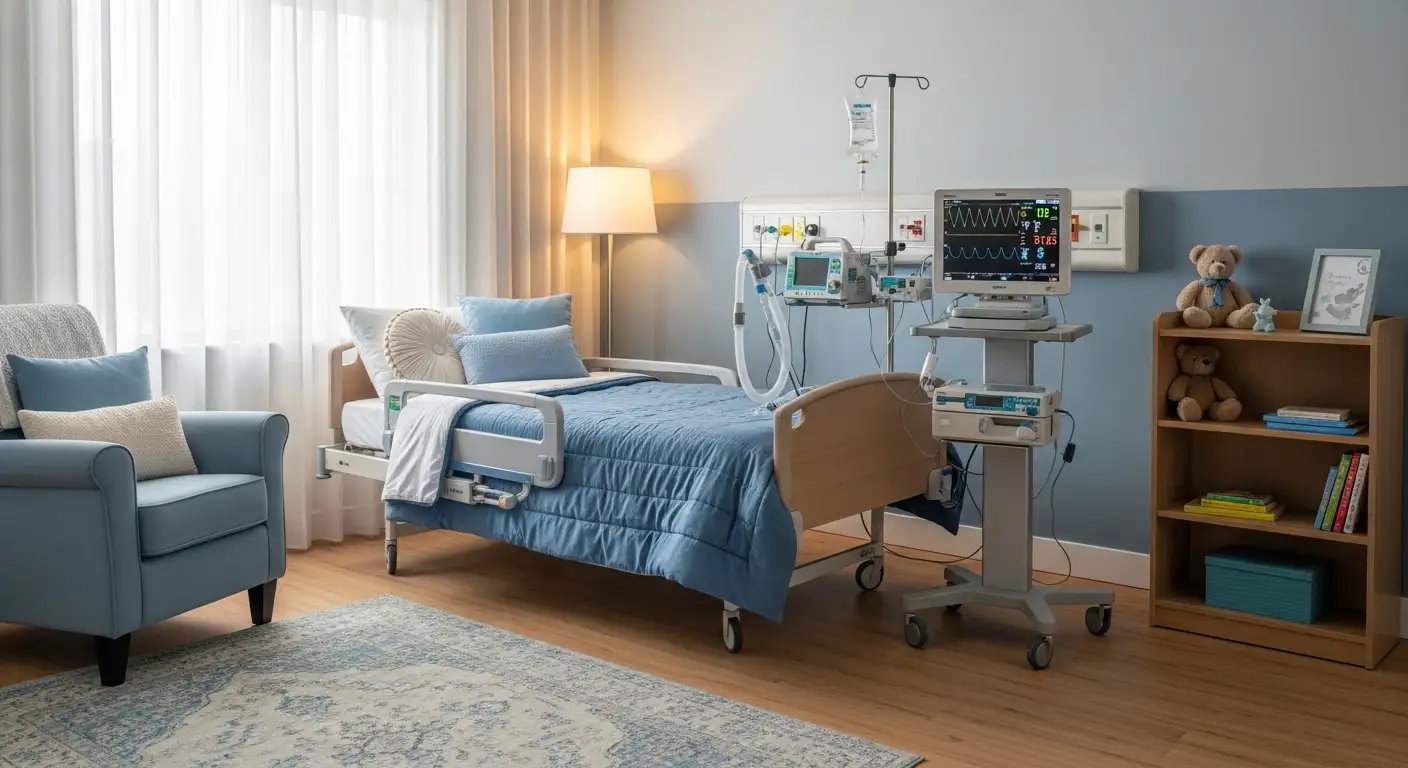
Understanding the Role of Skilled Nursing in Cardiac Rehabilitation at Home
Recovering from cardiac events like heart attacks or surgeries requires comprehensive care that extends beyond the hospital walls. Skilled nursing at home bridges this critical gap, ensuring seniors receive medical supervision, therapy, and emotional support tailored to their unique needs. This article explores the vital components and benefits of skilled nursing for cardiac recovery at home, underscoring its transformative impact on patient outcomes and quality of life.
Medical Oversight and Medication Management in Home Cardiac Care
How is medical supervision conducted during cardiac recovery at home?
Medical supervision in home cardiac care involves skilled nurses and caregivers closely monitoring patients to ensure safe and effective recovery. They track vital signs such as blood pressure, heart rate, and oxygen saturation regularly to detect any early signs of deterioration or complications. This ongoing observation helps promptly address any emerging issues and adjust care plans accordingly.
What vital signs are monitored to support cardiac health?
Vital signs like blood pressure, heart rate, and oxygen saturation are crucial markers monitored at home during cardiac rehabilitation. These indicators provide real-time insights into cardiovascular stability and oxygen delivery. Regular measurement helps caregivers and healthcare providers assess how well the heart is functioning and whether interventions are necessary.
How is medication administration managed safely in home settings?
Medication administration at home is handled with precision to ensure patients receive correct doses at the right times. Skilled caregivers assist with organizing medications, providing reminders, and observing for side effects or adverse reactions. They follow strict protocols to minimize errors, ensuring that medications contribute effectively to recovery.
What types of cardiac medications are managed, and why is their management important?
Managing complex cardiac medication regimens is vital for recovery and preventing complications. These regimens often include blood thinners to reduce clot risks, beta-blockers to regulate heart rate, diuretics to control fluid buildup, and cholesterol-lowering drugs. Proper management ensures therapeutic effectiveness while minimizing harmful interactions and side effects, which is especially important after heart events.
By combining diligent medical supervision with careful medication management, home cardiac care supports seniors’ recovery from heart conditions, promoting safety and improving outcomes in a personalized environment.
Personalized Physical Therapy and Rehabilitation Support at Home

Customized Physical Therapy Programs for Cardiac Recovery
Home-based cardiac rehabilitation often includes physically tailored therapy programs aimed at enhancing mobility, endurance, and muscle tone. These programs are developed to match the individual's specific health status and recovery timeline, ensuring exercises are safe while promoting heart health.
Improving Mobility, Endurance, and Muscle Tone After Cardiac Events
By focusing on gradual and consistent physical activity, therapy helps seniors regain strength and reduce the risks of mobility issues. Muscle tone improvement not only supports cardiovascular functioning but also aids in daily activities, fostering independence during recovery at home.
Exercise Monitoring and Vital Signs Assessment
Trained caregivers and home health professionals play a crucial role in overseeing exercise routines at home. They monitor vital signs such as heart rate, blood pressure, and oxygen saturation during activities to detect any warning signs early and adjust therapy as needed.
Lifestyle Modifications Tailored to Recovery Goals
Alongside physical therapy, lifestyle guidance is provided to encourage heart-healthy habits. These may include advice on diet, smoking cessation, stress reduction, and gradual increases in physical activity, all adjusted to each patient's recovery goals.
Use of Mobility Aids and Creating Safe Environments for Physical Activity
Homecare support includes helping set up safe spaces for exercise by removing trip hazards and arranging mobility aids like walkers or handrails. This environment fosters confidence and safety, which is essential for consistent rehabilitation and reducing fall risks.
Nutritional Support and Heart-Healthy Meal Planning by Skilled Caregivers
Heart-Healthy Meal Plans with Low-Sodium and Low-Fat Options
Skilled nursing facilities and home caregivers play an essential role in designing and providing meal plans that support cardiac recovery. These plans focus on low-sodium and low-fat foods to reduce strain on the heart and lower blood pressure. Such dietary approaches help prevent fluid retention and lessen the risk of further cardiac events.
Caregiver Assistance in Meal Preparation and Dietary Adherence
Caregivers assist seniors by preparing meals that fit these heart-healthy requirements. They help ensure patients adhere to dietary guidelines by selecting appropriate ingredients and avoiding processed or high-salt foods. This hands-on support is vital because seniors recovering from heart conditions may face challenges with meal planning and preparation on their own.
Nutritional Education to Prevent Recurrence
Beyond meal preparation, caregivers and nursing staff provide education about healthy eating habits. This education empowers patients to understand the importance of nutrition in maintaining heart health and preventing recurrence of cardiac episodes. Teaching patients about portion control, nutrient balance, and food choices supports long-term wellness.
Importance of Nutrient-Rich Foods in Cardiac Recovery
Incorporating nutrient-rich foods such as fruits, vegetables, whole grains, and lean proteins helps repair the heart muscle and improve overall cardiovascular health. These foods supply essential vitamins, minerals, and antioxidants that aid healing and strengthen the immune system during recovery.
By combining practical meal support with educational guidance, skilled caregivers contribute significantly to the nutritional aspect of cardiac rehabilitation, promoting both recovery and sustained heart health.
Emotional and Mental Health Support Through Skilled Home Care

How do seniors cope with anxiety, depression, and fear after a cardiac event?
Seniors recovering from cardiac events often face emotional challenges such as anxiety, depression, and fear about their health and future. Skilled home care caregivers help by providing consistent emotional support, encouraging open communication, and offering coping strategies tailored to each individual's needs.
What kinds of emotional support do caregivers provide, including companionship?
Caregivers offer vital companionship that reduces feelings of isolation and loneliness during recovery. Their presence ensures seniors feel valued and understood. They also provide reassurance and empathetic listening, fostering a positive environment essential for emotional healing.
How are seniors engaged in enjoyable activities during recovery?
Engagement in enjoyable activities is an important part of mental wellness. Caregivers assist seniors in participating in hobbies, light physical exercises, or social interactions suited to their energy and abilities. These activities help boost mood, reduce stress, and promote a sense of normalcy.
How is mental health status monitored and communicated with healthcare providers?
Trained caregivers attentively observe changes in mood or behavior, noting signs of depression or anxiety relapse. They maintain communication with healthcare professionals to report concerns promptly, ensuring timely adjustments to care plans and mental health interventions as needed.
Coordinated Care and Communication Among Healthcare Providers
How do skilled nurses act as recovery coordinators in cardiac rehabilitation?
Skilled nurses play a central role as recovery coordinators by managing a patient's comprehensive care plan during cardiac rehabilitation. They ensure that every aspect of recovery—from medication management to physical therapy—is closely monitored. Their involvement guarantees that treatments are adjusted based on patient progress, providing personalized care tailored to seniors recovering from heart conditions.
What is the importance of communication facilitation between healthcare providers?
Facilitating clear communication among cardiologists, physical therapists, dietitians, and other healthcare professionals is crucial. Skilled nurses serve as the bridge, conveying updates on patient status, vital signs, medication adjustments, and therapy responses. This open channel of communication helps prevent treatment errors, coordinates care transitions, and supports continuous, cohesive management of cardiac rehabilitation.
How are services integrated for comprehensive cardiac rehabilitation?
In skilled nursing facilities and homecare settings, various services such as medical supervision, physical therapy, nutritional support, and emotional care are integrated seamlessly. Nurses coordinate these components by scheduling therapies, ensuring adherence to dietary plans, and monitoring emotional well-being. This integrated approach helps optimize recovery outcomes by addressing the full spectrum of patient needs.
How is symptom monitoring and management handled collaboratively?
Regular monitoring of vital signs like blood pressure, heart rate, and oxygen saturation enables early detection of complications. Skilled nurses closely observe symptoms such as chest pain or fatigue, utilizing tools like oxygen therapy when necessary. By communicating findings with physicians and therapists, they aid in timely interventions that prevent deterioration and manage side effects effectively, fostering a safer rehabilitation journey.
Addressing Barriers and Enhancing Cardiac Rehabilitation in Skilled Nursing Settings

What challenges exist in integrating structured cardiac rehabilitation in skilled nursing facilities?
Despite the recognized benefits, structured cardiac rehabilitation programs—including exercise and education—are not consistently integrated in skilled nursing facility (SNF) settings. This gap represents a missed opportunity to optimize recovery for seniors after cardiac events.
How do complex patient needs and impairments impact cardiac rehab?
Many SNF patients present with multiple comorbidities along with physical and cognitive impairments. These factors can limit their ability to actively participate in standard cardiac rehabilitation activities, requiring individualized care approaches tailored to their specific limitations.
Why is there a need for protocols to monitor cardiac response during therapy?
Effective cardiac rehabilitation demands careful monitoring of cardiac response during exercise and therapy. However, exercise monitoring—including vital signs and exercise tolerance assessments—is often underperformed, and documentation is infrequent. Protocols are essential to ensure safety and adjust therapy intensity appropriately.
What role does family involvement and education play?
Family involvement is critical in enhancing cardiac rehabilitation outcomes. Unfortunately, educational components such as symptom self-management, survival strategies, and guidance on outpatient rehab are rarely emphasized or documented during SNF stays. Engaging families can improve understanding and support for continued care after discharge.
What limitations hinder improving cardiac rehab integration in SNFs?
Several barriers impede effective cardiac-specific care in skilled nursing settings. These include high patient complexity, staff shortages, and the absence of standardized rehabilitation protocols. Addressing these limitations is necessary to improve consistent delivery of quality cardiac rehabilitation services.
Overall, overcoming these challenges involves establishing rigorous monitoring protocols, enhancing education for patients and families, and addressing workforce and procedural gaps to support safer and more effective cardiac rehab in skilled nursing facilities.
The Vital Transition from Skilled Nursing Facilities to Home-based Cardiac Care

Why Is Skilled Nursing Care Continuity Important After Hospital Discharge?
Continuity of skilled nursing care following hospital discharge plays a crucial role in ensuring seniors maintain progress made during their initial cardiac rehabilitation. These facilities provide intensive, medically supervised support for a two to six-week period, focusing on recovery through monitoring vital signs, managing complex medication plans, and facilitating physical therapy. Transitioning from this consistent care at a skilled nursing facility (SNF) to home requires careful planning to preserve recovery momentum and prevent setbacks.
What Are the Benefits of Home Healthcare in Ongoing Cardiac Recovery?
Home healthcare offers personalized assistance that adapts to the individual’s unique environment and daily life, which can enhance long-term adherence to rehabilitation goals. Based on the solid foundation established in SNFs, homecare services continue to support cardiac recovery by promoting mobility, symptom awareness, and lifestyle adjustments. These services also help reduce the likelihood of hospital readmissions by providing timely interventions and ongoing health supervision.
How Does Homecare Support Medication Reminders, Daily Assistance, and Wellness Monitoring?
Caregivers in home settings play an essential role in helping seniors manage their recovery routines. They provide medication reminders to ensure adherence to prescribed regimens involving blood thinners, beta-blockers, and other heart medications. Assistance with daily activities helps maintain a safe and manageable lifestyle, reducing risks associated with fatigue or cognitive difficulties. Moreover, caregivers observe vital signs and health changes, relaying crucial information to healthcare providers, which supports early identification of complications.
How Is a Safe, Supportive Environment Created at Home for Seniors Recovering From Heart Conditions?
Creating an environment that encourages safe physical activity is vital. Homecare providers assist with organizing clutter-free spaces and recommend mobility aids to prevent falls and support exercise routines essential for strengthening cardiovascular health. They also aid in meal planning and the preparation of heart-healthy foods low in sodium and fat, which reinforces nutritional strategies introduced in skilled nursing facilities. Emotional support and companionship from caregivers further promote mental well-being, reducing anxiety and encouraging active participation in recovery.
Together, seamless coordination between skilled nursing facility care and home-based supports forms an indispensable bridge in cardiac rehabilitation, helping seniors regain function, independence, and quality of life after cardiac events.
Embracing Skilled Nursing for Optimal Cardiac Recovery at Home
Skilled nursing services at home provide an indispensable bridge in cardiac rehabilitation, offering personalized medical supervision, therapy, nutritional guidance, and emotional support essential for seniors' recovery. By addressing the complexities of cardiac care with tailored interventions and coordinated teamwork, skilled nursing at home not only enhances recovery outcomes but also empowers patients to regain independence and improve quality of life in familiar surroundings. As the healthcare landscape evolves, expanding access to skilled nursing for cardiac recovery at home remains a vital priority for patient-centered care.