The Vital Role of Pediatric Nursing in Home Health
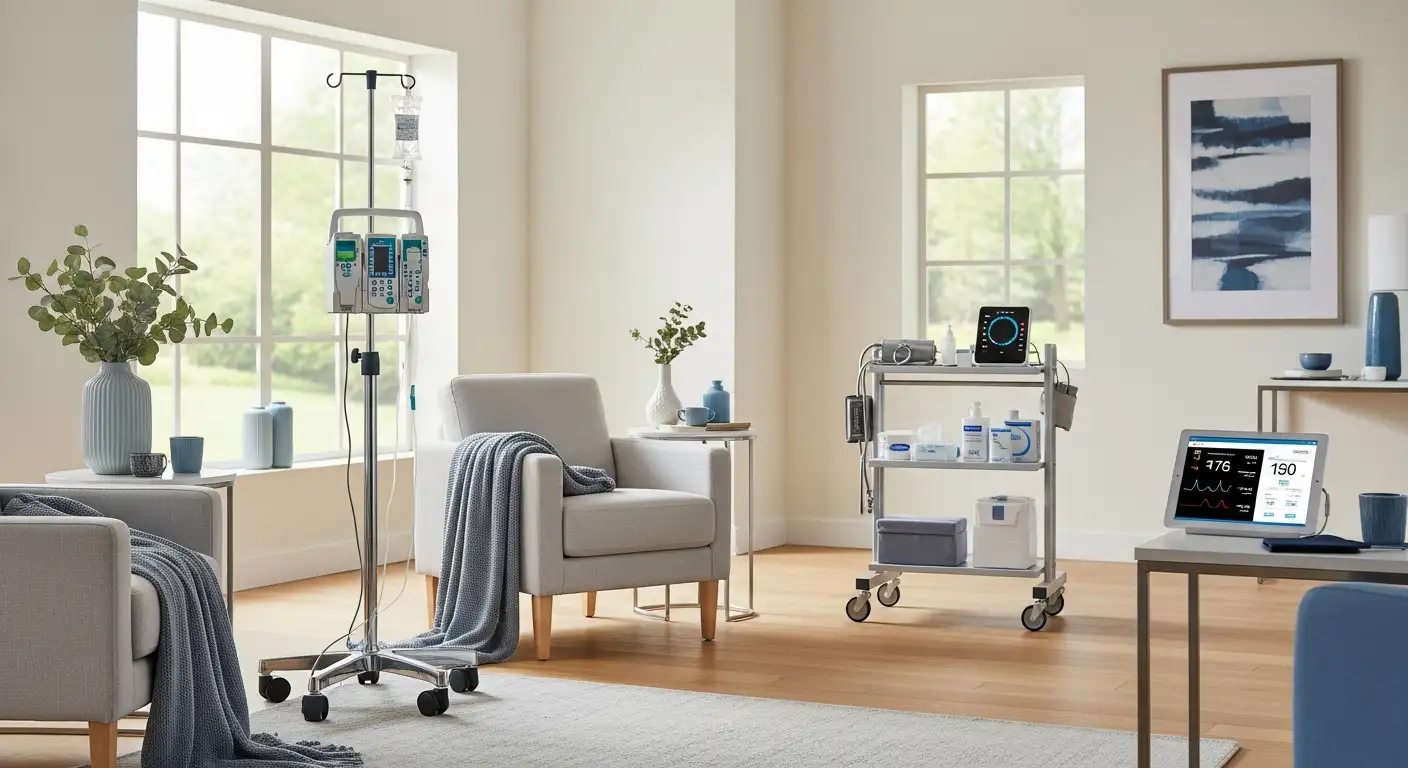
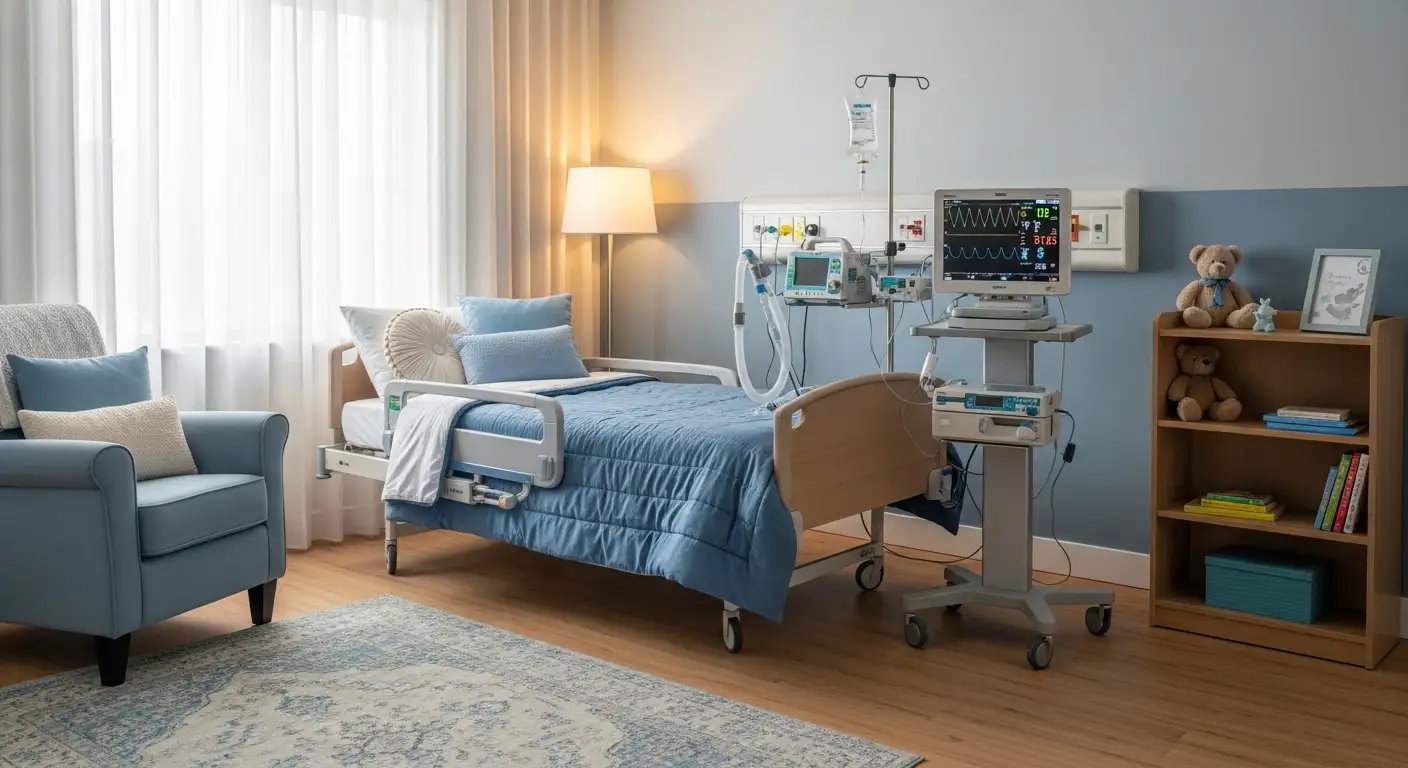
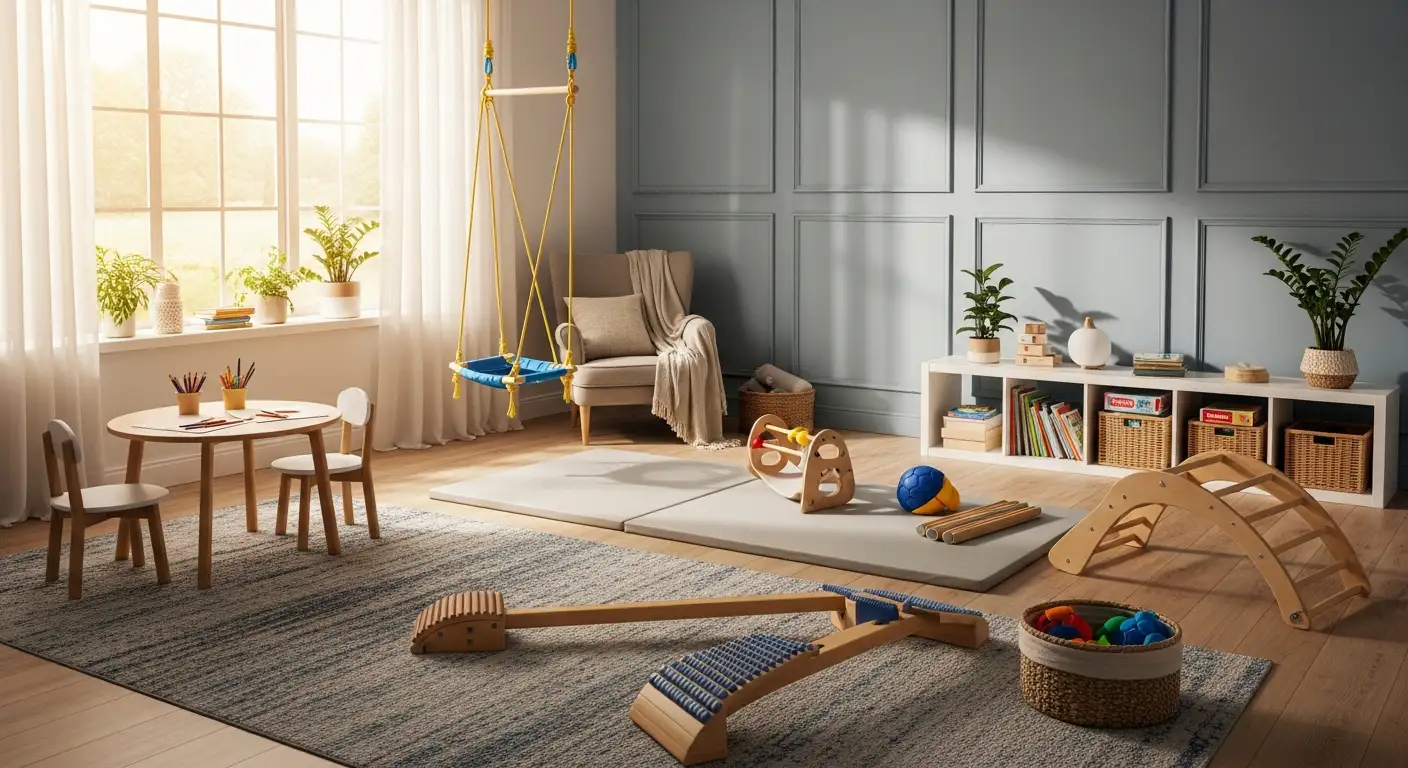
Pediatric nursing within home health care settings plays a pivotal role in supporting children with medical complexities and their families. This specialized care goes beyond medical treatment—it's about creating stable, nurturing environments where children can thrive and families can find strength, convenience, and emotional support. As home-based nursing care evolves, its impact on family wellness continues to reveal significant benefits, including improved recovery outcomes, emotional security, and enhanced quality of life.
Personalized Pediatric Nursing: Bridging Medical Care and Family Needs

What Are Personalized Care Plans for Children with Medical Complexities?
Personalized care plans are tailored strategies developed after a child's hospital discharge to address their unique medical needs. For children with medical complexity (CMC), these plans include detailed evaluations, medication management, family education, and setup of necessary medical equipment. They ensure care is specific to the child's condition, promoting better health outcomes.
How Is Coordination Between Nurses, Families, and Pediatricians Managed?
Successful pediatric home care depends on seamless communication and collaboration among nurses, families, and pediatricians. Nurses hired and trained by home health nursing agencies work closely with families to understand the child's needs while coordinating with pediatricians to align services with medical guidance. This teamwork helps maintain continuity of care and supports the child's overall development.
What Range of Pediatric Home Health Services Are Offered?
Pediatric home health care offers a comprehensive spectrum of services tailored to the diverse needs of medically complex children, including:
- Nursing care for ongoing medical management
- Occupational and physical therapies to support development
- Oncology and palliative care for serious illnesses
- Infusion therapy and medication administration
- Provision and management of medical equipment
- Specialized care such as neonatal and asthma treatment
These services work together to create a supportive home environment for the child's care.
What Are the Benefits of Home Care on Recovery and Normalcy?
Receiving care at home accelerates recovery because children tend to sleep better and experience fewer hospital visits or readmissions. Home care also allows for family convenience and helps maintain a sense of normalcy, enabling children to attend school and partake in social activities. This approach not only reduces stress for the child and family but also fosters emotional well-being.
What Role Do Collaborative Care Plans Play?
Collaborative care plans involve joint development by physicians, therapists, nurses, and families. They personalize care to the child's medical and developmental milestones, ensuring consistency and comprehensive support. Having a consistent nurse who understands the child's health history enhances trust and improves coordination with medical teams, advancing better health outcomes.
| Aspect | Description | Benefit |
|---|---|---|
| Personalized Care Plans | Tailored post-discharge strategies | Addresses individual child needs |
| Coordination | Teamwork among nurses, families, pediatricians | Ensures continuity and consistent care |
| Range of Services | Nursing, therapy, palliative, infusion, equipment, etc. | Comprehensive support within the home setting |
| Home Care Benefits | Faster recovery, fewer hospital visits, family convenience | Enhances child well-being and reduces stress |
| Collaborative Care Plans | Multidisciplinary approach to personalized care | Improves trust, understanding, and outcomes |
Challenges in Pediatric Home Health Nursing and Their Impact on Families

Why is the lack of uniform hiring and training processes a concern?
Home health nursing agencies (HHAs) employ nurses to care for children with medical complexity (CMC), but the absence of standardized hiring and training procedures leads to inconsistent care quality. Nurses may receive varying levels of preparation depending on their agency, which can affect how well they meet the unique needs of CMC.
How do communication difficulties affect families and care?
Effective communication between parents, nurses, and HHAs is essential for successful home care. However, frequent challenges in this area often result in frustration and confusion, potentially undermining family wellness and the child's health outcomes.
What impact do frequent changes in home health agencies have?
Parents and nurses often switch between multiple HHAs or lack strong attachments to any single agency. This turnover disrupts continuity of care, making it difficult to build trust and to maintain consistent understanding of the child's specific medical history and needs.
Why is the shortage of pediatric home health nurses a problem?
The limited availability of specialized pediatric home health nurses places a heavier burden on families, possibly limiting access to essential care. This shortage may compromise patient outcomes as families struggle to obtain consistent, skilled nursing support.
How do state-to-state policy variations affect pediatric home health care?
Healthcare policies vary widely across states, leading to disparities in availability and quality of home health services for medically complex children. These differences can create unequal access to necessary resources and support, affecting the overall effectiveness of home care.
Financial and Social Barriers Affecting Home Pediatric Nursing
What Resource and Financial Limitations Impact Home Care for Children with Medical Complexity?
Providing home care for children with medical complexity (CMC) is often hindered by significant resource and financial challenges. Many families lack access to consistent healthcare resources needed to deliver adequate care at home, which can compromise the quality and continuity of nursing services.
How Do Social Risks Influence Pediatric Patient and Family Well-being?
Social risks such as food insecurity, housing instability, and general financial strain weigh heavily on families managing complex pediatric conditions. These factors elevate healthcare utilization and stress, obstructing effective home management and negatively impacting both the child’s and family's well-being.
What Are the Funding and Reimbursement Challenges for Home Health Nurses?
Funding structures and reimbursement policies are inconsistent and often insufficient to fairly compensate nurses providing care to medically complex children. Inadequate compensation models contribute to staffing shortages and affect the sustainability of home health nursing agencies.
What Are the Cost Benefits of Medicaid-Funded Pediatric Private-Duty Nursing?
Medicaid-funded pediatric private-duty nursing (PDN) significantly reduces costs compared to hospital care—estimates suggest home care costs are approximately 90% lower than inpatient hospital stays. This model supports individualized care that improves outcomes while easing financial burdens on healthcare systems.
How Much Could Potential Savings Be from Shifting Inpatient Care to Home Care?
Shifting care from inpatient hospital settings to home environments could yield substantial annual savings in the hundreds of millions of dollars. By reducing hospital readmissions and managing chronic conditions at home, PDN presents a cost-effective alternative that benefits families, healthcare providers, and payers alike.
The Power of Consistency: Continuity of Care through Private-Duty Nursing

Benefits of Having Consistent Private-Duty Nurses
Consistency in private-duty nursing (PDN) offers critical advantages for children with medical complexity. When children receive care from the same nurse regularly, it fosters a trusting relationship that develops over time. This stable connection allows nurses to understand the child's unique health needs deeply, improving the quality of personalized care provided at home.
Impact on Trust and Understanding Health History
A consistent nursing presence enhances the caregiver's knowledge of the child’s medical history and subtle health changes that might otherwise be missed. This understanding promotes timely interventions and more accurate communication with physicians and therapists, leading to better-informed decisions about the child's treatment.
Support for Children's Developmental Milestones and Socialization
Private-duty nurses play a vital role beyond medical care by supporting children in their developmental progress. They assist with therapeutic play and social interactions, encouraging participation in age-appropriate activities. This support helps children reach important milestones and maintain social connections, fostering a sense of normalcy.
Nurse's Role in Daily Life, Play, School Participation, and Emotional Security
Aside from medical tasks, private-duty nurses actively participate in the child's daily routines, including personal care and school attendance. By helping children engage safely in educational settings and family life, nurses contribute to emotional security and overall well-being. Their presence eases anxiety for both children and parents, promoting a positive home atmosphere.
Reduction in Hospital Readmissions and Improved Health Outcomes
Having a consistent nurse in the home has been linked to fewer hospital readmissions. Effective management of chronic conditions, early detection of complications, and continuous support reduce the likelihood of acute health crises. This translates to improved medical outcomes, decreased healthcare costs, and enhanced quality of life for families.
Family Wellness and Psychological Support in Pediatric Home Care

Emotional and Psychological Support Needs for Families and Children
Caring for children with medical complexity (CMC) at home places emotional and psychological demands on families. These families often experience stress due to managing complex care regimens and the uncertainty surrounding their child's health. Children themselves may face challenges related to chronic illness, requiring support beyond physical care to address their emotional well-being.
Effects of Language Barriers on Communication and Education
Effective communication is crucial for successful home health care. Language barriers can significantly impede discharge education and ongoing communication between families and healthcare providers. This challenge disproportionately affects non-English speaking families, leading to misunderstandings, reduced adherence to care plans, and increased family stress.
Importance of Psychological Support in Care Plans
Integrating psychological support into pediatric home care plans enhances overall family wellness. Yet, this support is often underprovided despite its proven benefits. Including mental health resources and counseling services within care strategies promotes resilience in both children and their families, improving outcomes and coping mechanisms.
How Home Nursing Alleviates Family Stress and Promotes Wellness
Home nursing plays a pivotal role in reducing caregiver burden. By providing professional, hands-on care, nurses alleviate the constant responsibility placed on families. This support fosters a more manageable daily routine, reduces hospital visits, and allows families to maintain a sense of normalcy, contributing directly to their well-being.
Family-Centered Treatment Promoting Holistic Health
Pediatric home care emphasizes family-centered treatment plans tailored to the unique needs of each child and family. Coordinating care with pediatricians, nurses, and therapists ensures that physical, emotional, and social aspects of health are addressed. Such holistic approaches help families feel supported, informed, and confident in managing their child’s health, ultimately enhancing the healing environment at home.
Advancing Pediatric Home Health Through Policy and Standards
Lack of Pediatric-Specific Data and National Standards in Home Health Care
One significant challenge in pediatric home health nursing is the absence of comprehensive, pediatric-specific data within national healthcare surveys and regulatory frameworks. This gap makes it difficult to measure outcomes accurately, assess care quality, and develop targeted strategies for medically complex children (CMC).
The Influence of Health Policy on Access to Pediatric Home Nursing
Health policies play a crucial role in shaping access to home-based pediatric nursing services. Variations in state policies create disparities in the availability and quality of home health care. Without consistent policy support, families struggle to secure adequate nursing services, affecting the continuity and effectiveness of care for CMC.
Proposals for Better Assessment and Compensation of Nurses
There have been calls for refined models that more accurately evaluate nursing care provided to medically complex children. Improved assessment mechanisms would support fair compensation structures, incentivizing nurses to deliver high-quality, individualized care that addresses the unique needs of each child.
Need for Quality Improvement Efforts in Pediatric Home Care
The lack of uniform processes in hiring, assigning, and training nurses within home health agencies has led to inconsistent care quality. Establishing standardized protocols and comprehensive training programs is essential for enhancing care delivery and ensuring that nurses are fully equipped to meet pediatric patients' complex needs.
Addressing Disparities and Improving Consistency in Care
Disparities stemming from variable state regulations, resource limitations, and social risks such as language barriers and financial strain hinder equitable care. Policies must focus on creating equitable access, fostering communication among families, nurses, and agencies, and supporting families with social and psychological resources to improve overall outcomes.
Efforts to develop robust national pediatric home health standards combined with policy reforms are vital. These advancements will provide a framework that supports consistency in care, addresses disparities, and ultimately improves health outcomes for children with complex medical needs.
Empowering Families Through Dedicated Pediatric Nursing Care
Pediatric nursing in the home setting establishes a foundation for healthier children and stronger families by combining expert medical care with compassionate, personalized support. Despite facing systemic challenges such as staffing shortages, inconsistent training, and policy gaps, the commitment of home health nurses to children with medical complexities fosters improved health outcomes and deeply enhances family well-being. Continued advancement in healthcare policies, increased investment in nursing resources, and holistic approaches to family support will further empower families, ensuring that children receive the nurturing care they need within their most familiar environments. Ultimately, pediatric home nursing is not just care; it’s an empowering partnership that uplifts entire families.