Families in New York frequently face difficult choices regarding medical care for aging or chronically ill loved ones. The decision often centers around whether to place a family member in a facility or find alternative ways to provide clinical support in their own house. Many people assume a skilled nursing home is the only viable option for high-level medical requirements.
Modern healthcare allows specialized agencies like HumanCare NY to deliver advanced clinical interventions directly to your residence. This article explores these medical options to help you make informed decisions for your family. Understanding the specific differences between facility-based support and home-based clinical interventions provides clarity during stressful times.
Function of a Traditional Skilled Nursing Home
A traditional facility operates as a highly regulated medical institution. These buildings employ registered nurses, licensed practical nurses, and various physical therapists to provide continuous supervision. Doctors monitor patient progress and adjust treatment plans regularly based on daily charts. Patients admitted to these facilities generally suffer from severe health issues that demand constant observation. The structured environment guarantees that medical professionals are always available to respond to emergencies.
What Is a Skilled Nursing Home and Who Requires This Level of Care?
A skilled nursing home provides high-level medical treatment that goes beyond basic daily assistance. These settings are staffed by registered nurses, licensed practical nurses, and certified nursing assistants. A physician oversees each resident's medical plan to ensure stability.
This level of care is typically required for:
- Patients recovering from major surgery or a stroke who need intensive rehabilitation.
- Individuals with complex wounds that require professional dressing changes.
- People who need a ventilator or have a tracheostomy.
- Individuals with advanced Parkinson’s or Alzheimer’s who require a secure environment.
The primary goal of a skilled nursing home is to offer clinical intervention that family members or general caregivers cannot safely manage.
>>> Read more: https://www.humancareny.com/blog/understanding-the-scope-of-skilled-nursing-in-home-settings
Skilled Nursing Home vs Assisted Living Facilities
Families frequently confuse different types of senior living options. Comparing a skilled nursing home vs assisted living reveals distinct differences in medical capabilities. An assisted living facility primarily offers custodial support. Staff members in assisted living help residents with daily activities like dressing, bathing, and preparing meals. They might remind residents to take oral medications. They do not provide complex medical treatments.
To clarify the differences, consider these functional distinctions:
- Medical Oversight:
In a skilled nursing home, medical care is the priority. Nurses are available around the clock to administer injections, manage IV lines, and monitor vital signs. In assisted living, the focus is on social interaction and help with activities of daily living, like bathing or dressing.
- Staffing Ratios:
Skilled nursing facilities have higher ratios of licensed medical professionals. Assisted living facilities often rely on home health aides rather than on-site doctors or nurses.
- Regulatory Standards:
Skilled nursing environments must meet strict clinical federal and state mandates. Assisted living operates under different regulations that focus more on residential safety and hospitality.
- Eligibility:
If a person requires daily clinical monitoring or specialized therapy, a skilled nursing home is the appropriate choice. If they only need help with mobility or meal preparation, assisted living is usually sufficient.
Assisted living environments cater to individuals who are mostly independent but need minor daily assistance. Nursing facilities cater to individuals who have significant medical vulnerabilities. Understanding this specific distinction helps families seek the correct level of care for their unique situation.
The Shift Toward Clinical Care in the Private Residence
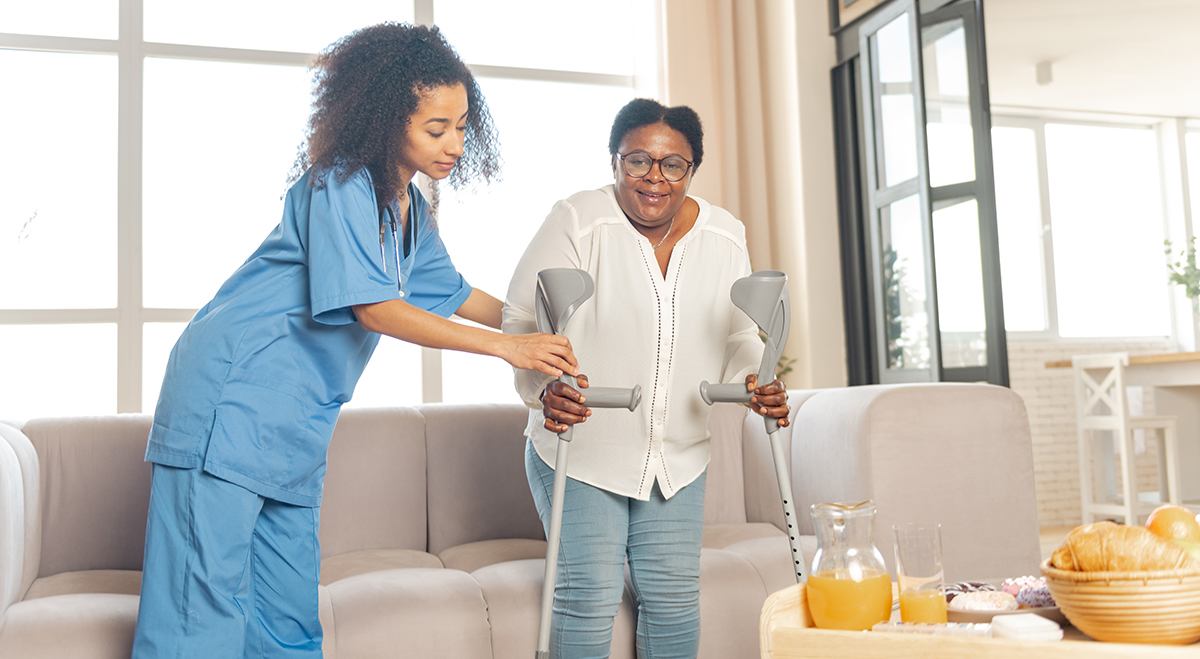
Medical models in New York are moving away from mandatory institutionalization. Advanced technology and specialized home health agencies make it possible to provide clinical treatments outside of traditional hospital settings. This shift allows patients to remain in comfortable environments without sacrificing the quality of their medical oversight.
Replicating Facility-Grade Medical Oversight at Home
Bringing professional medical services into a private residence requires careful planning and coordination. Agencies like HumanCare NY assign registered nurses to evaluate the patient in their home environment. The clinical team develops a specific care plan based on the strict orders of the primary physician. Licensed practical nurses and registered nurses then visit the home on a set schedule. They can also stay for extended shifts to provide continuous monitoring.
Replicating this oversight involves:
- Installing hospital-grade beds and monitoring equipment.
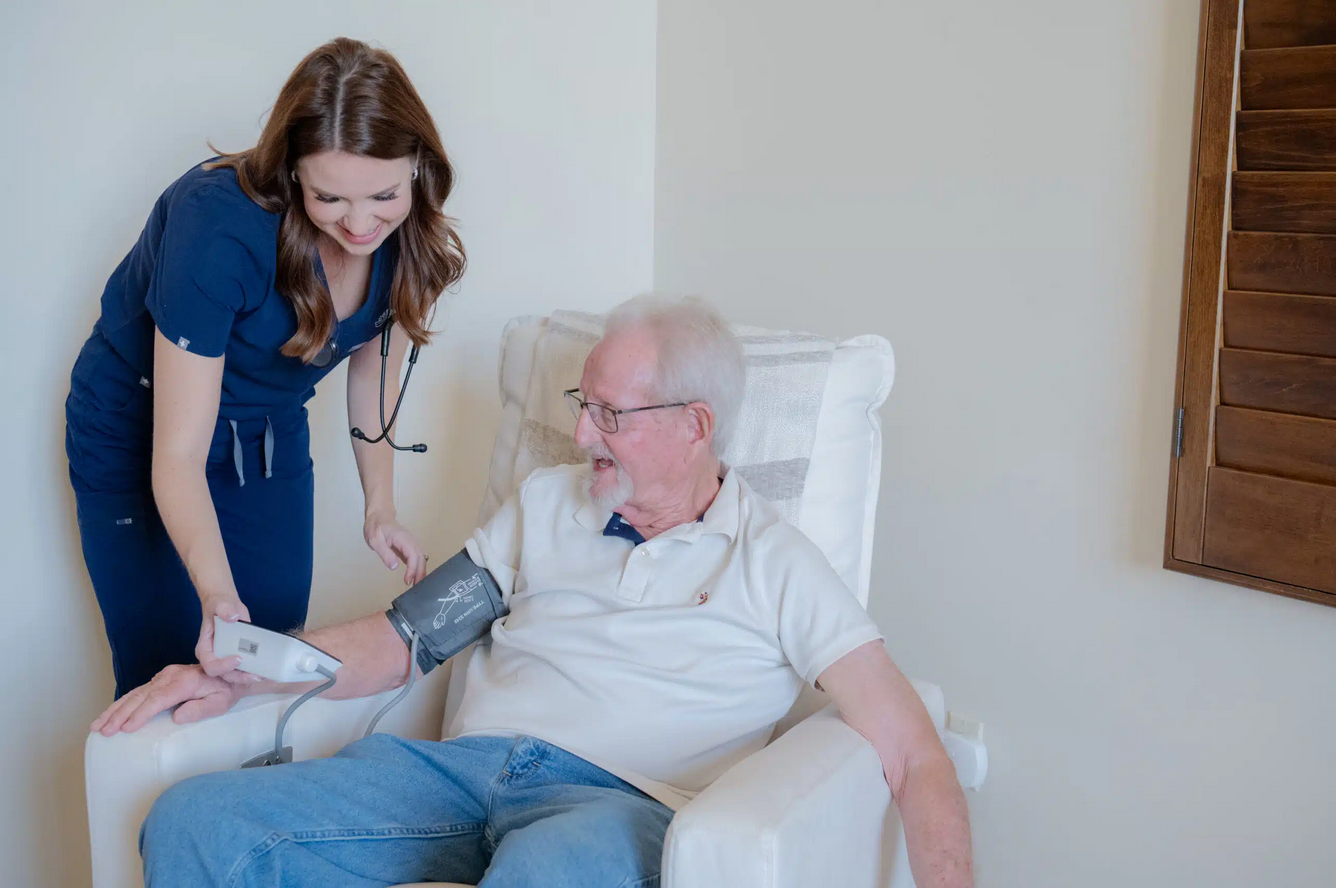
- Scheduling regular visits from registered nurses to manage medication.
- Coordinating with primary care physicians through digital health records.
- Utilizing physical and occupational therapists who visit the home multiple times per week.
This approach ensures that the patient receives the same clinical attention they would find in a skilled nursing home while remaining in a familiar environment.
Physical and Emotional Benefits of Avoiding Institutionalization
Staying at home provides significant physical advantages for patients with weakened immune systems. Clinical facilities often harbor treatment-resistant bacteria and viruses. Receiving care at home drastically reduces the risk of contracting hospital-acquired infections. The private environment also promotes better sleep patterns. Patients rest in their own beds without the disruptive noise of facility alarms, intercoms, or nocturnal room checks.
The psychological benefits of home care include:
- Lowered anxiety and stress levels due to familiar and comfortable surroundings.
- Increased sense of personal dignity and independent living.
- Greater control over daily routines and personal dietary choices.
- Unrestricted access to visiting family members and personal pets.
- Improved mental outlook, which directly impacts physical recovery speeds.
Being surrounded by familiar possessions and family members makes a massive difference in patient morale. This familiar setting often leads to faster recovery times and better overall mental health. A positive emotional state directly impacts physical healing. Families also benefit greatly from this arrangement. Relatives can visit at any time without adhering to strict facility visiting hours. They can monitor the care directly and communicate with the visiting nurses face-to-face.
Specialized Medical Services Available Outside the Facility
The scope of treatments available at home expands every single year. Highly trained nurses perform procedures that previously required an extended hospital stay. Mobile medical technology allows for highly accurate diagnostics and treatments right in the living room. You no longer need to move into a skilled nursing home just because you require specialized equipment or frequent clinical monitoring.
High-Tech Nursing Support for Ventilators and Tracheostomies
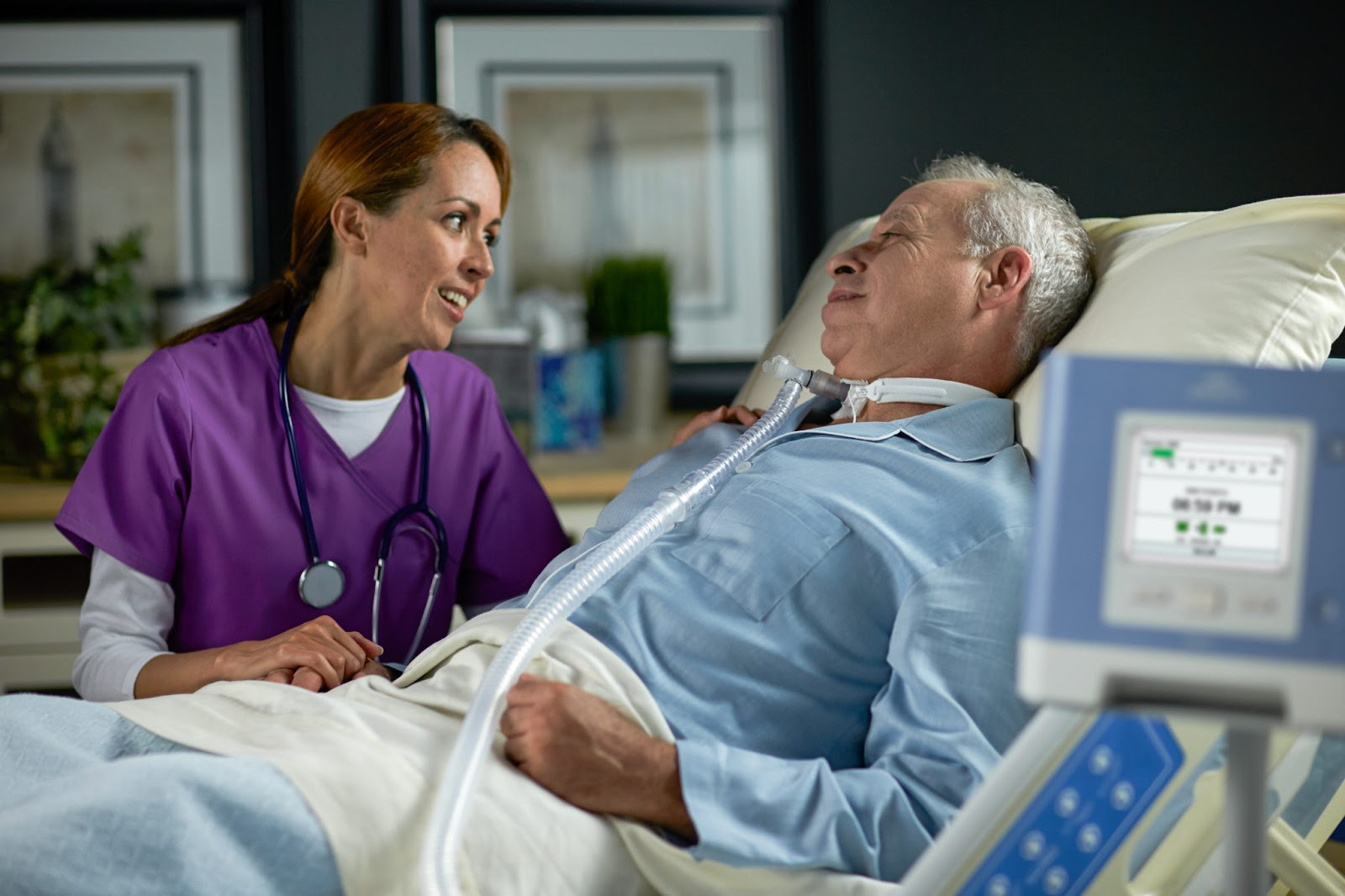
Respiratory care represents one of the most advanced forms of home health support. Many patients rely on mechanical ventilators to breathe. Others require permanent tracheostomy tubes.
The nursing staff continuously monitors oxygen saturation levels and adjusts ventilator settings according to physician orders. They perform routine tracheostomy care to keep the airway clear of secretions and prevent blockages. Nurses respond immediately to alarms and equipment malfunctions. They also educate family members on emergency protocols and basic equipment troubleshooting.
Patients with respiratory failure or compromised airways used to be confined to long-term acute care hospitals or a skilled nursing home. Today, specialized home care agencies provide the technical support needed for these conditions.
Professional home nursing for respiratory needs includes:
- Ventilator Management:
Nurses monitor settings and ensure the equipment functions correctly at all times.
- Tracheostomy Care:
Frequent suctioning and cleaning of the stoma site prevent infections and blockages.
- Oxygen Therapy:
Continuous monitoring of blood oxygen levels ensures the patient remains stable.
- Emergency Preparedness:
Home nurses are trained to handle equipment failures or sudden respiratory distress.
By providing these services in the home, HumanCare NY allows patients with chronic respiratory needs to live with dignity and comfort.
>>> Read more: https://my.clevelandclinic.org/health/diseases/15283-acute-respiratory-distress-syndrome-ards
Financial Planning and Insurance Coverage for Medical Care
Understanding how to pay for long-term support is a major concern for New York residents. Both facility care and home care involve different costs and insurance requirements.
Cost Comparison of In-Home Nursing versus Facility Residency
The financial commitment for a skilled nursing home can be substantial. In New York, the monthly cost of a facility often exceeds the cost of 24-hour home care, depending on the specific medical needs.
Skilled Nursing Home
- Cost Factors: Room and board, 24/7 nursing, supplies
- Insurance Typical Coverage: Medicare (Short-term), Medicaid, Private Pay
In-Home Nursing
- Cost Factors: Hourly or daily nurse rates, equipment rental
- Insurance Typical Coverage: Medicaid, Private Insurance, Long-term Care Insurance
In many cases, Medicaid Managed Long Term Care (MLTC) programs in New York provide the necessary funding to keep a patient at home. This allows families to use their resources for home modifications or private equipment rather than paying for a bed in a facility.
Ready to discuss your medical care options?
Choosing between a skilled nursing home and home care requires a look at the patient's specific medical stability. If the patient is medically fragile but stable, home care offers a higher quality of life. If the patient requires constant, unpredictable medical intervention, a facility might be the safer choice.
HumanCare NY is dedicated to helping families find the best path forward. Whether you are deciding on a skilled nursing home or exploring the benefits of medical care at home, we provide the resources you need to stay healthy in the community.
Contact HumanCare NY today at 718-435-1100 to schedule a consultation and learn how we bring advanced medical support directly to your door.