Living with a long-term medical condition requires consistent medical oversight and dedicated support. HumanCare NY provides expert chronic disease management right in your residence. We help patients maintain their health and independence through professional medical interventions. Our specialized team brings high-level clinical services directly to your living room.
The Importance of Proactive Chronic Disease Management
Managing ongoing health issues requires more than occasional doctor visits. It demands daily vigilance and dedicated attention. Effective chronic disease management prevents minor symptoms from becoming severe medical emergencies. When patients receive consistent care, they experience better health outcomes and a higher quality of life. Medical professionals working in the home can spot early warning signs of illness progression. They act quickly to adjust treatments and provide immediate relief. This forward-thinking approach keeps patients stable and secure in their own homes.
Family members often feel overwhelmed by the complex medical needs of their loved ones. They lack the clinical training needed to manage severe illnesses safely. Professional oversight relieves this immense burden. Families can return to their roles as supportive loved ones rather than stressed medical providers. This shift brings lasting peace of mind to the entire household.
Reducing Hospital Readmissions for Seniors
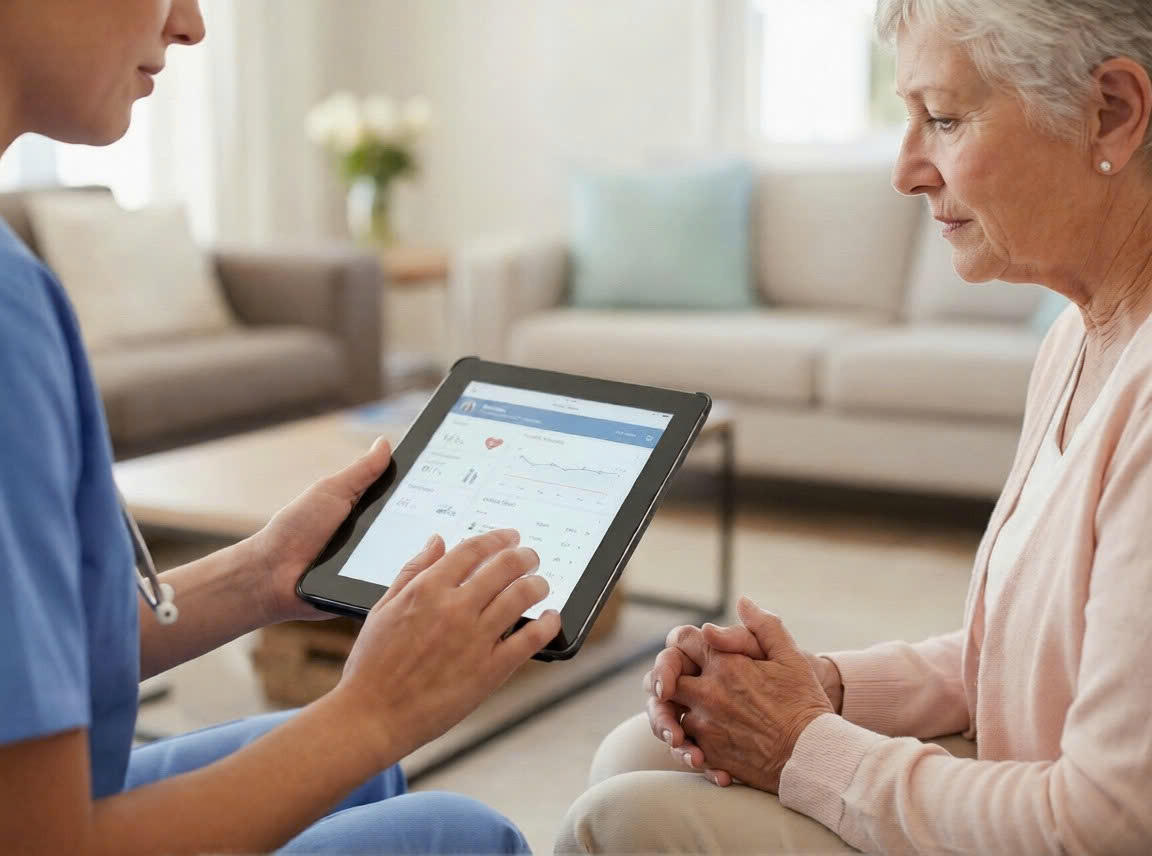
Frequent hospital trips exhaust patients and their families. A major goal of in-home clinical care involves keeping seniors out of the emergency room. Hospital readmissions often happen because patients misunderstand their discharge instructions or fail to recognize worsening symptoms. Skilled nurses break this dangerous cycle. They monitor daily changes in a patient's condition. They catch warning signs early before a health crisis occurs.
This proactive approach stops the cycle of repeated hospitalizations and protects the patient from the stress of constant facility transfers. Keeping seniors at home speeds up their recovery process and limits their exposure to hospital-acquired infections.
>>> Read more: https://www.humancareny.com/blog/elderly-chronic-disease-management
Personalized Care Plans for Long-Term Health Stability
Every patient experiences illness differently. Medical professionals create customized care plans based on specific medical histories and personal living situations. These detailed blueprints guide daily routines and outline exact steps for symptom control. A standardized approach fails to address the unique needs of an individual patient.
Therefore, our clinical directors evaluate every aspect of a person's life. They look at physical limitations, dietary needs, and family support systems. The resulting care plan gives caregivers clear instructions on how to handle emergencies and daily therapies safely.
Implementing Chronic Disease Management at Home
Transitioning medical care to a residential setting brings immense comfort to the patient. Delivering chronic disease management at home allows individuals to recover and live in familiar surroundings. This transition requires careful planning and specialized equipment. Home health aides and registered nurses work together to turn a standard bedroom into a safe clinical environment. They remove fall hazards and set up necessary medical devices. This precise preparation guarantees that the patient receives hospital-level attention without leaving their house.
Medication Adherence and Administration Support
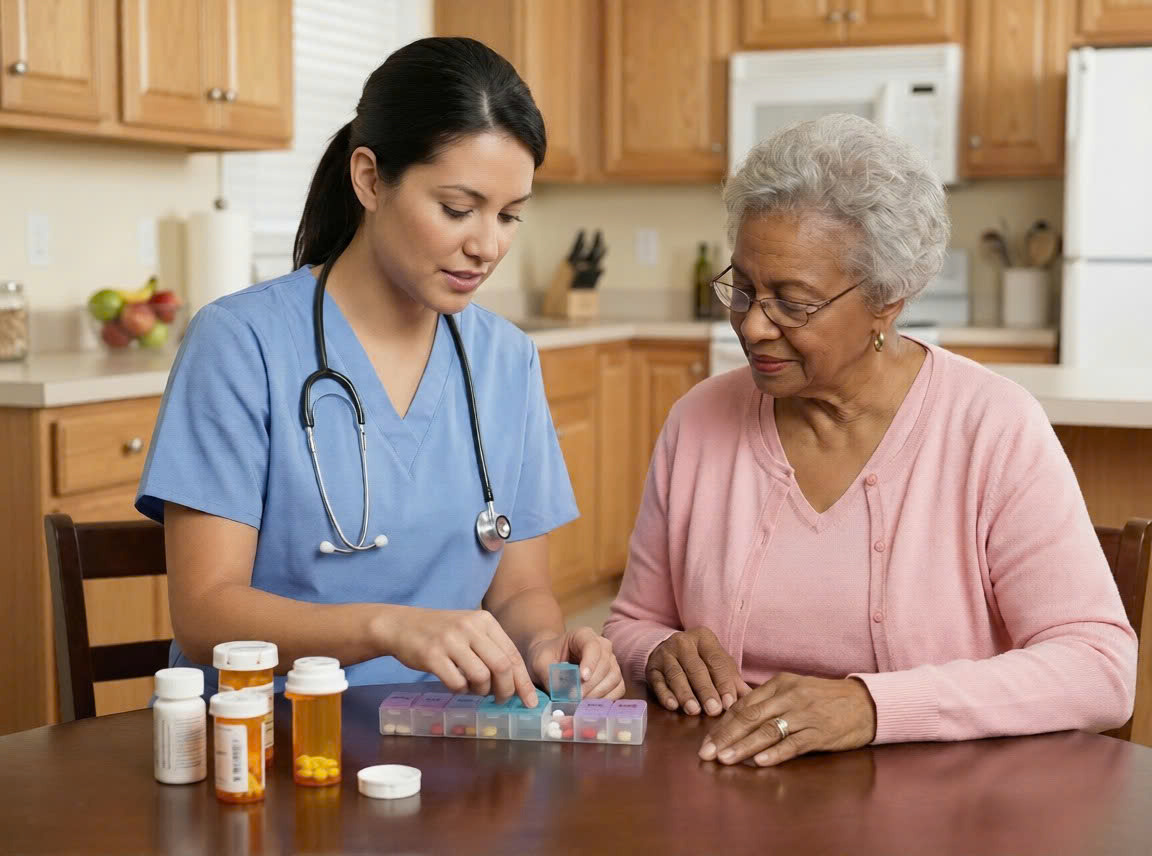
Patients with long-term conditions often take multiple prescriptions. Mixing up doses leads to severe health consequences. Nurses organize pill dispensers and track exact schedules. They watch for adverse drug interactions and dangerous side effects. This precise oversight guarantees that patients take the right medicine at the right time.
Our team focuses on the following medication safety protocols:
- Organizing daily pill boxes to prevent missed doses
- Administering complex treatments like insulin or intravenous fluids
- Monitoring the patient continuously for negative side effects
- Ordering prescription refills from the local pharmacy before supplies run low
- Educating family members about proper medication storage and safety

Dietary Monitoring and Lifestyle Modifications
Food plays a massive role in controlling long-term medical conditions. Caregivers prepare specific meals that follow strict nutritional guidelines set by doctors. For example, patients with heart failure require low-sodium diets to prevent fluid buildup. Diabetics need controlled carbohydrate intake to keep blood sugar levels stable. Our team monitors food intake and restricts harmful ingredients.
Proper hydration presents another massive challenge for seniors with long-term illnesses. Caregivers track daily water intake meticulously. Some conditions require strict fluid restrictions to prevent lung congestion. Other illnesses demand high fluid intake to protect kidney function. The nursing staff balances these conflicting needs perfectly. They track every ounce of liquid consumed and excreted. They also encourage gentle physical activities approved by the primary physician. These daily habits build a strong foundation for lasting physical health.
>>> Read more: https://www.humancareny.com/blog/how-to-manage-chronic-illness-at-home-with-professional-support
Key Conditions Benefiting from In-Home Clinical Oversight
Many long-term ailments respond very well to consistent residential monitoring. Professional nursing staff manage severe symptoms and prevent sudden health declines.
Cardiovascular Health and Hypertension Monitoring
Heart disease requires strict daily monitoring. Nurses check blood pressure multiple times a day. They look for signs of fluid retention, shortness of breath, or irregular heartbeats. Patients with congestive heart failure face sudden complications if they consume too much salt or miss a water pill.
We track specific cardiac metrics to ensure patient safety. For congestive heart failure, we monitor daily body weight to assess for sudden fluid retention and severe edema. For hypertension, we track blood pressure readings while administering medications. With arrhythmia patients, we measure heart rate and pulse to monitor for rhythm irregularities. For post-heart attack recovery, we check oxygen levels and supervise gentle exercises while monitoring breathing stress.
Respiratory Support for COPD and Asthma
Chronic Obstructive Pulmonary Disease (COPD) and asthma represent two of the most common long-term lung conditions affecting adults today. Both ailments restrict airflow and cause severe inflammation in the respiratory system. Breathing issues cause significant physical and mental distress. Home care teams monitor oxygen saturation levels using pulse oximeters. They assist with daily breathing treatments and steroid inhalers. Keeping the home completely free of dust, smoke, and other allergens forms a big part of respiratory care.
Nurses also teach patients energy conservation techniques. These methods help individuals complete daily tasks without losing their breath. During severe weather changes, the care team adjusts indoor humidity levels to protect sensitive lungs and maintain open airways.
>>> Read more: https://www.who.int/news-room/fact-sheets/detail/chronic-obstructive-pulmonary-disease-(copd)
Diabetes Care and Blood Sugar Regulation
Blood glucose levels fluctuate rapidly based on stress, diet, and physical activity. Nurses perform regular blood sugar testing using glucometers. They administer exact insulin injections when required by the doctor. Caregivers also inspect the patient's feet every day. Diabetics often suffer from nerve damage and poor circulation. This means a tiny scratch on the foot can turn into a massive infection. Our clinical team cleans wounds and applies proper bandages to ensure fast healing.
Diabetic retinopathy affects vision and makes it dangerous for patients to walk around their own homes. Caregivers guide patients safely through the house to prevent serious falls. Furthermore, our nurses educate patients on recognizing the early signs of low blood sugar. They keep emergency glucose supplies readily available in multiple rooms.
The Role of Skilled Nursing in Continuous Care
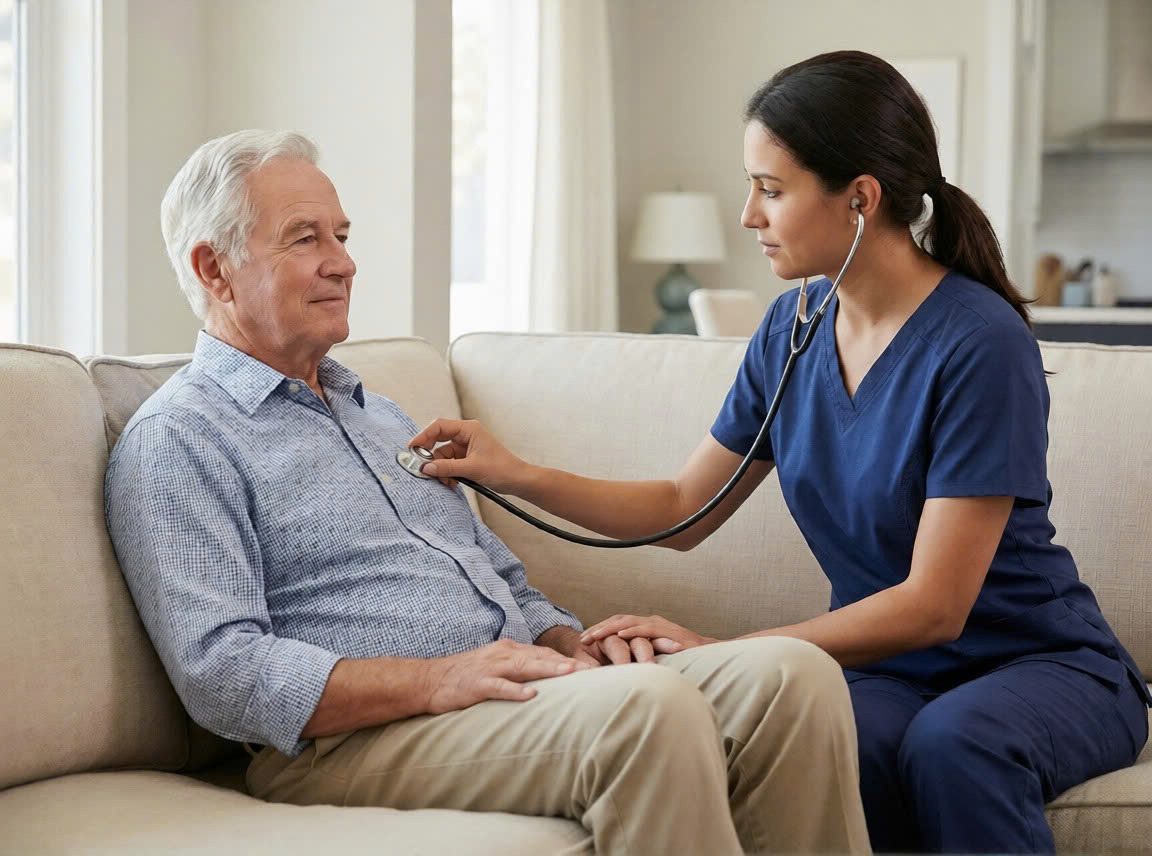
Registered nurses and licensed practical nurses bring advanced medical expertise directly to your doorstep. They provide continuous clinical supervision that goes far beyond basic personal assistance. Skilled nursing involves executing complex medical orders and making rapid clinical decisions based on observational data. Registered nurses and licensed practical nurses bring advanced medical expertise directly to your doorstep. They provide continuous clinical supervision that goes far beyond basic personal assistance. Skilled nursing involves executing complex medical orders and making rapid clinical decisions based on observational data.
Coordination with Primary Care Physicians
Home healthcare does not replace a primary doctor. Instead, it acts as a direct extension of the medical clinic. Nurses send regular electronic updates to the patient's primary care physician. They report any minor changes in the patient's physical condition immediately. This open communication ensures that doctors can adjust prescriptions and treatments based on real-time health data.
Our staff uses secure medical software to log daily notes. Doctors can access these digital records from their own offices. This seamless sharing of information eliminates guesswork. When the doctor schedules a telehealth appointment, the home care nurse sits next to the patient. The nurse translates medical jargon and helps the patient ask the right questions. If a patient develops a fever or a strange rash, the nurse contacts the physician for immediate orders. This prevents a completely unnecessary trip to the hospital.
Vital Signs Tracking and Symptom Management
Tracking basic health indicators tells a complete story about a patient's overall well-being. Nurses carefully record temperature, pulse, blood pressure, and respiration rates. They look for trends in the data. A slowly rising heart rate over several days might indicate a hidden infection. By catching this trend early, the nurse can start antibiotic treatments before the patient becomes severely ill.
Nurses use medical-grade equipment to measure these vitals accurately. A standard store-bought blood pressure cuff often provides incorrect readings. Professional nurses calibrate their tools regularly. They also teach the patient how to recognize their own bodily changes. Education forms a massive part of disease control. When patients understand why their heart rate goes up, they feel less anxiety. Less anxiety leads to lower blood pressure and better overall health outcomes. When symptoms worsen, the nursing staff applies strict clinical protocols to stabilize the person in distress.
Humancare NY: Your Partner in Long-Term Health Stabilization
HumanCare NY stands ready to support your complex medical needs. Our trained professionals deliver dependable chronic disease management at home for residents across New York. We believe that every patient deserves high-quality medical attention in a comfortable residential setting. Our strict hiring practices ensure that only the most qualified nurses enter your home. We match our caregivers to your specific medical requirements and personality preferences.
Living with a long-term condition presents daily challenges. You do not have to face these medical hurdles alone. Contact HumanCare NY today at 718-435-1100 to discuss how our team can support you and your family. Our dedicated team provides the clinical oversight necessary to maintain your independence and comfort. We work tirelessly to prevent medical emergencies and improve your overall daily life.