The Intersection of Environment and Homemaker Aid in Senior Living
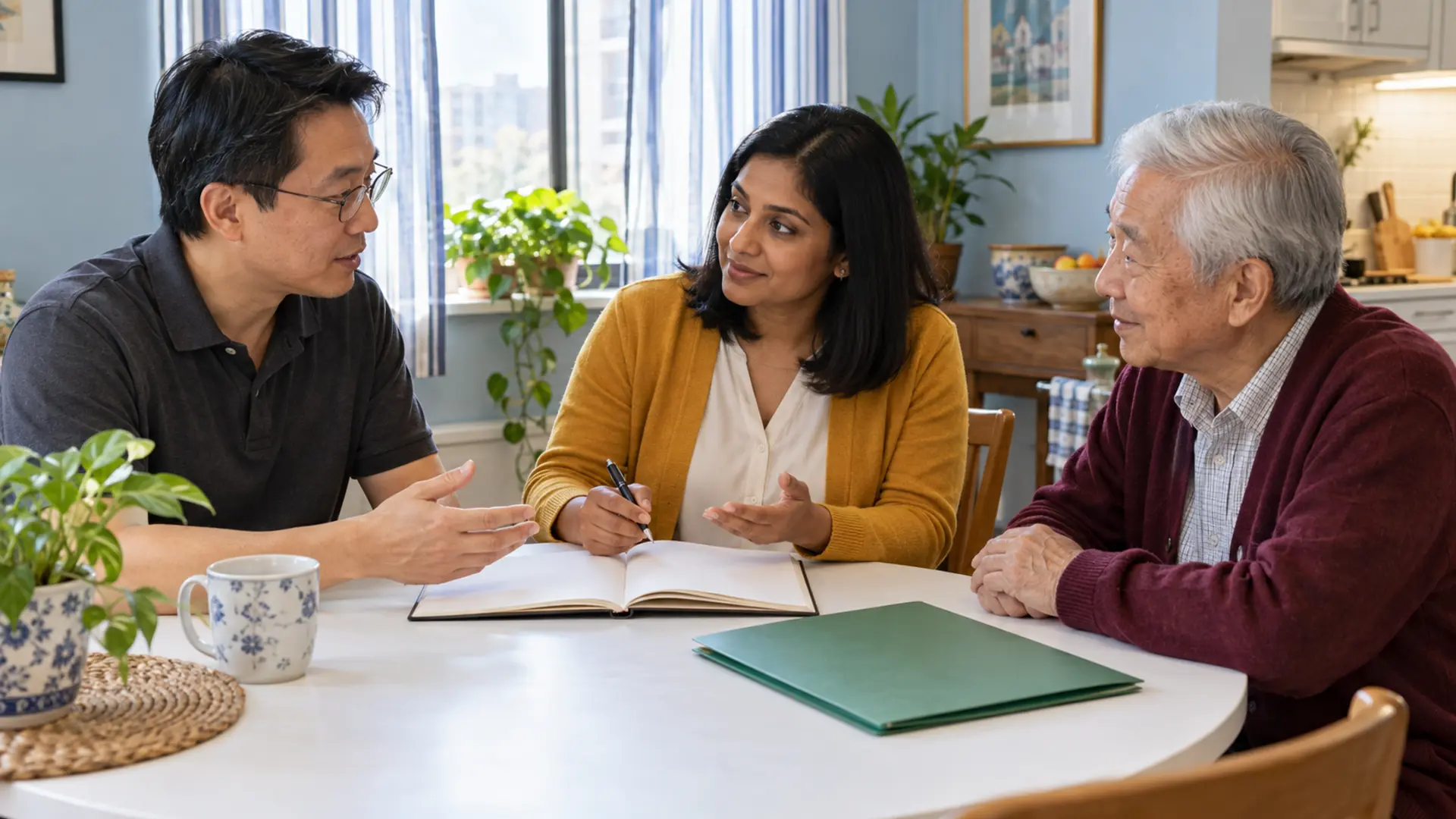
As the elderly population grows worldwide, the importance of enabling seniors to live safely and independently at home has never been greater. Designing homes that support health and mobility, combined with dedicated homemaker assistance, offers a pathway to enhance quality of life for seniors. This article explores how environmental design, caregiving services, and emerging technologies converge to create cleaner, healthier homes for older adults.
Creating Safe, Accessible Living Spaces
How do home environments affect seniors' ability to live independently?
The physical environment plays a crucial role in enabling seniors to live independently and maintain their health. Simple environmental modifications, such as installing ramps, wider doors, and grab bars, significantly improve mobility and safety within the home. These changes reduce the risk of falls and injuries, allowing older adults to carry out daily activities with greater ease and confidence.
What environmental modifications support independence and safety?
Modifications to the home environment can range from basic additions to more extensive renovations tailored to an individual's needs. Examples include:
- Ramps for easier access to entrances
- Wider doorways to accommodate mobility devices
- Grab bars in bathrooms for support
- Architectural adjustments that minimize physical barriers
These improvements promote safer and more accessible living spaces, directly supporting seniors' independence.
What are universal design principles and their benefits?
Universal design incorporates accessible and adaptable features as standard components in residential settings rather than special alterations. By normalizing features like step-free entrances, single-floor living, and easily reachable switches and controls, homes become more inclusive for everyone. This approach not only reduces the necessity for specialized assistive devices but also helps lower costs associated with future modifications. Ultimately, universal design fosters environments that accommodate diverse abilities, benefiting all residents and visitors alike.
Personalized Assessments and Tailored Home Modifications
Why is individualized assessment crucial for home modifications?
Assessing a senior’s actual functional abilities and daily performance is essential to create home modifications that truly meet their needs. This personalized evaluation helps identify the specific obstacles an individual faces in their environment. For some, simple additions like grab bars or ramps can significantly improve safety and mobility. For others, more extensive architectural renovations, such as widening doorways or redesigning rooms, may be necessary to support their independence.
Tailored modifications ensure that interventions are neither under- nor over-designed, improving both effectiveness and user satisfaction. By focusing on what the person can do and where they need support, these assessments lead to targeted changes that enhance quality of life and reduce risks like falls.
What challenges exist in funding home modifications?
Funding for home modifications is often complicated by a fragmented system involving multiple players: government agencies, private contractors, therapists, and social service providers all contribute in varying capacities. This network of diverse organizations can create barriers to access, delaying or limiting the implementation of needed modifications.
Seniors and their families may struggle to navigate these channels, resulting in confusion and unmet needs. Moreover, varying eligibility criteria and funding availability across regions add to the complexity. Coordinated efforts and clearer pathways could improve access to funding and enable timely, effective home modifications.
Range of environmental modifications from simple to complex
- Simple additions: Grab bars, ramps, non-slip flooring, lever door handles
- Moderate changes: Widening doorways, installing stairlifts, improved lighting
- Complex renovations: Bathroom redesigns for wheelchair access, removing thresholds, reconfiguring kitchen layouts
Each level of modification is selected based on the individual’s abilities and performance, as identified through thorough assessments.
| Aspect | Description | Impact |
|---|---|---|
| Assessment Focus | Actual functional abilities and daily performance | Enables precise, need-based modifications |
| Modification Spectrum | Simple to complex environmental changes | Improves safety, mobility, and independence |
| Funding Complexity | Multiple sources with fragmented coordination | Creates barriers to access and timely support |
This personalized approach combined with better funding coordination can significantly enhance seniors' ability to live safely and independently at home.
The Vital Role of Homemaker Assistance in Healthy Aging

How do homemaker services promote physical health for seniors?
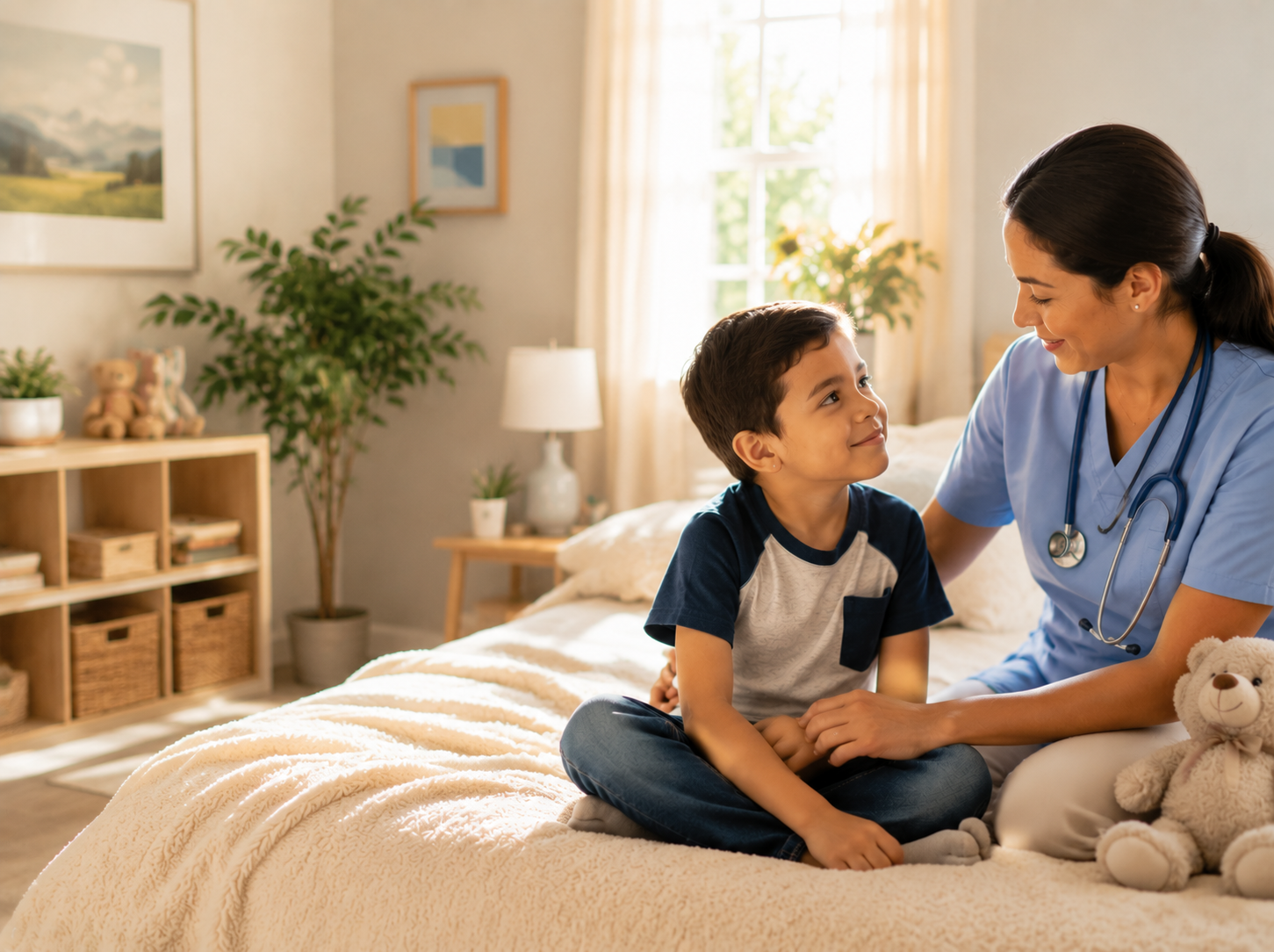
Homemaker services play a crucial role in maintaining seniors' physical health. They assist with essential daily tasks such as medication management, ensuring that medications are taken correctly and on time. Meal preparation is another important service, providing balanced nutrition that supports overall well-being. Additionally, homemakers help with personal hygiene, which is vital for preventing infections and health complications.
Beyond these caregiving duties, homemakers encourage regular physical activity. This includes accompanying seniors on walks and supporting prescribed exercises designed to maintain muscular strength and mobility. These activities are key to reducing the risk of falls, a major concern among older adults.
In what ways do homemaker services support mental and emotional well-being?
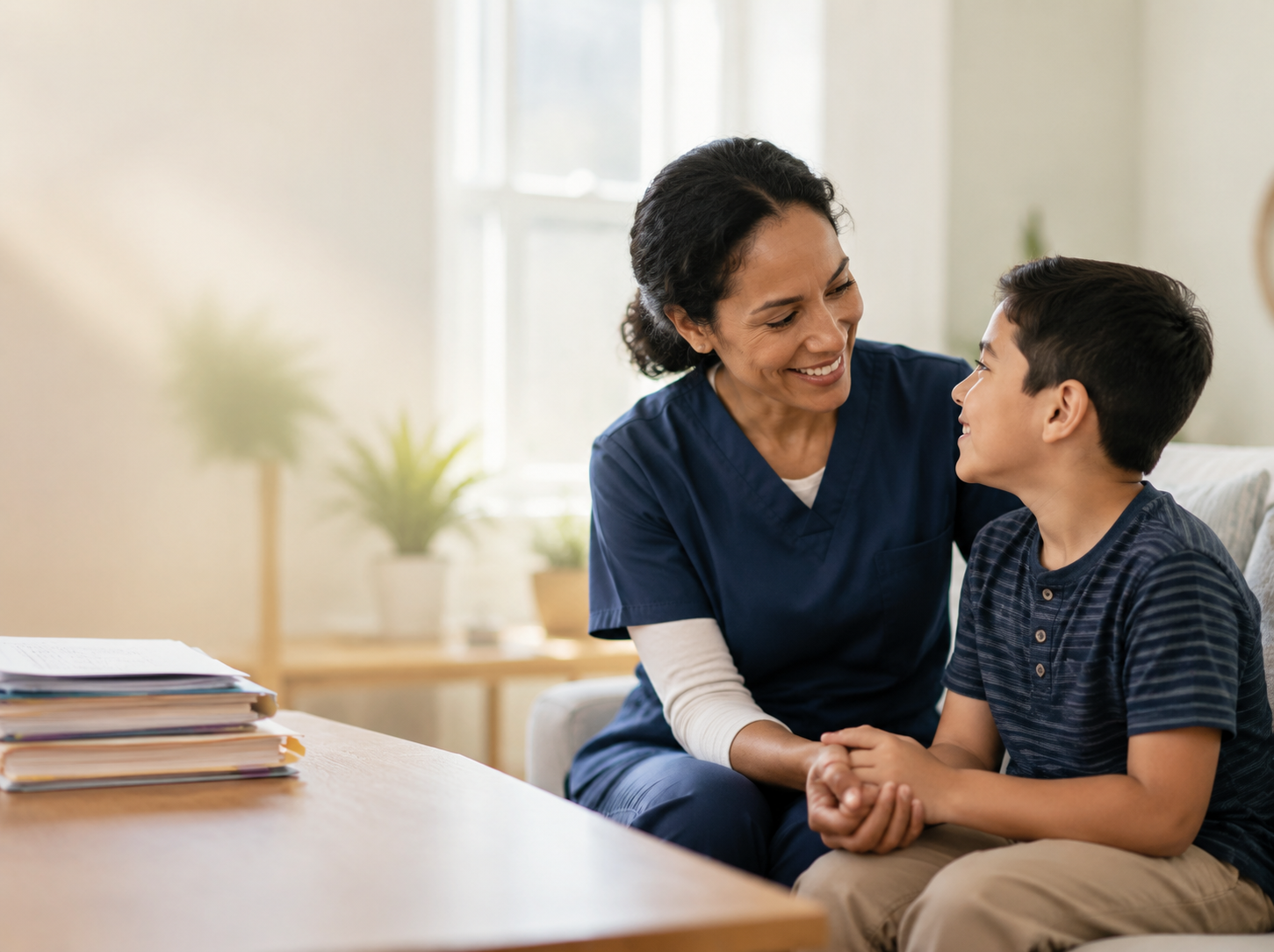
Mental and emotional health receive attentive care through homemaker services. Companionship offered by homemakers helps alleviate loneliness and social isolation, common issues among the elderly. They also engage seniors in mentally stimulating activities, such as puzzles, reading, or conversation, which aid in delaying cognitive decline.
These supportive interactions contribute significantly to emotional wellness, helping seniors maintain a positive outlook and a sense of connection. By fostering both mental and physical health, homemaker services enhance quality of life and help older adults age with dignity and independence.
Technology and Policy Advancements Shaping Home Care
How do technology advancements improve in-home care?
Modern technologies have a significant impact on enhancing safety and health management within home settings. Mobility aids, such as walkers and stair lifts, support seniors in maintaining their physical independence. Environmental sensors monitor conditions like movement or falls, alerting caregivers promptly if assistance is needed.
Communications devices and health monitors further enable continuous health tracking, allowing early intervention when health changes occur. When these technologies are thoughtfully integrated into home design—emphasizing space efficiency and incorporating universal design principles—they create an environment that supports autonomy and reduces reliance on specialized assistive devices.
What policy initiatives drive better home environments for seniors?
Policy changes are critical to advancing supportive home environments. Updated building codes and zoning regulations increasingly incorporate standards for accessibility and adaptability, making new constructions and renovations more accommodating for seniors.
Healthcare incentives also promote the adoption of environmental modifications, such as installing ramps, grab bars, and wider doors. These policies collectively encourage developers, contractors, and homeowners to prioritize universal design principles, enhancing safety and ease of daily living for elderly residents.
The combination of emerging home care technologies and progressive policies is key to creating sustainable, user-friendly home environments that allow seniors to live safely and independently longer.
Future Directions: Consumer-Directed Care and Sustainable Models
What is the consumer-directed in-home care model and who benefits?
Consumer-directed in-home care programs, such as Home Care Independence, empower seniors to take charge of their care by hiring family members, friends, or others as personal caregivers. Typically available to those aged 60 or older who live at home and require assistance with daily activities, this model maintains the individual's autonomy and personal choice.
Participants or their representatives must be capable of directing care, ensuring that care arrangements match their unique needs. However, the person who directs care cannot be the paid caregiver themselves, preserving a professional balance. This approach suits individuals whose care needs can be safely managed through informal caregivers rather than demanding professional medical or nursing interventions.
How can sustainable home care models be developed to meet rising demand?
The demand for home care is rapidly growing worldwide due to aging populations. To cope with this, sustainability and scalability are vital. Innovative strategies like public-private partnerships combine resources and expertise from government bodies and private sectors to expand service capacity effectively.
Community-based initiatives further support sustainability by engaging local networks to provide accessible and culturally appropriate care. Together, these approaches ensure that home care remains high-quality, affordable, and widely available, addressing the challenges posed by increasing senior care needs.
| Topic | Description | Importance |
|---|---|---|
| Consumer-Directed Care | Programs like Home Care Independence enable personalized hiring of informal caregivers, enhancing autonomy | Supports individualized care tailored to personal preferences and needs |
| Role of Informal Caregivers | Family and friends provide essential assistance, reducing dependence on professional medical services | Facilitates comfortable, familiar environments and may reduce costs |
| Sustainability Strategies | Public-private partnerships and community initiatives promote efficient resource use and broaden accessibility | Ensures scalable, high-quality home care responsive to demographic trends |
Integrating Design, Care, and Innovation for Elderly Independence
Designing cleaner, healthier homes through thoughtful environmental modifications and robust homemaker assistance is integral to supporting the independence and dignity of seniors. By combining personalized assessments, universal design, caregiver services, and advancing technologies within supportive policy frameworks, communities can better meet the growing demands of aging populations. Embracing consumer-directed care models alongside sustainable innovations offers promising pathways to enhance quality of life and foster aging in place for years to come.